El Niño Is Driving a Record Marine Heat Wave Off the California Coast
The extreme heat extends hundreds of meters below the ocean’s surface and is fueling severe storms and abnormally high seas.
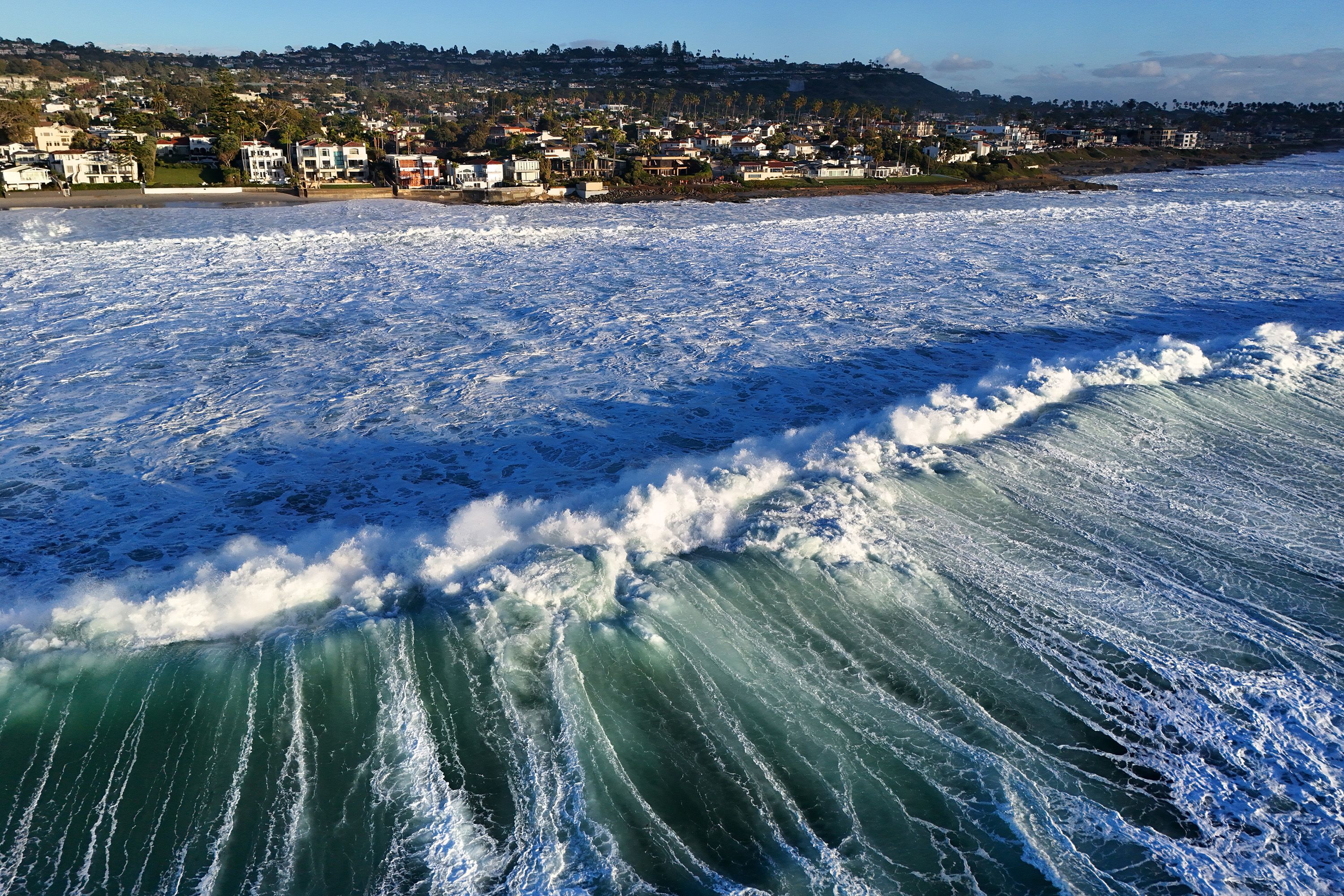
El Niño, a climate phenomenon characterized by hotter-than-normal water in the eastern tropical Pacific, is driving a record marine heat wave off the California coast, according to an oceanographer at the Scripps Institution of Oceanography. Small underwater drones, known as gliders, equipped with sensors, have been used to collect data on temperature and other metrics.
The data shows sea levels driven by heat have reached unprecedented levels for Rudnick, the oceanographer. In Monterey Bay, a temperature of 64.72°F (18.18°C) was recorded at a depth of 200 feet in late October, breaking previous records. Warmer water in San Diego was measured at 77°F (25°C), an anomaly of 21.3°F above normal. This year's El Niño is the strongest on record, and its impacts are equally intense.
Since January, coastal California waters have experienced a massive heat wave, with temperatures reaching 8°F above average in August. Human-caused climate change has also contributed to the warming of ocean waters off Southern California. Kelvin waves, slow large waves that transport warm water from west to east across the Pacific, are further driving up ocean temperatures and sea levels.
These waves can raise sea levels along the California coast, contributing to intense coastal flooding, big waves, and heavier rainfall. The warmer water itself also contributes to sea level rise due to the simple physics of water expanding as it warms. The combination of El Niño and human-induced climate change has led to unprecedented conditions, with waterspouts even forming over San Francisco Bay, an area not typically associated with such phenomena.
Written by urgent.news from Wired's reporting — not their text. Machine-written — may contain errors; check the original before relying on it.