Dagli incentivi la spinta per ringiovanire le fabbriche
Un’età media che si riduce, con strumenti tecnologicamente più avanzati, acquisiti in larga parte grazie agli incentivi statali. Sono le principali conclusioni della ricognizione di Ucimu realizzata all’interno del sistema...
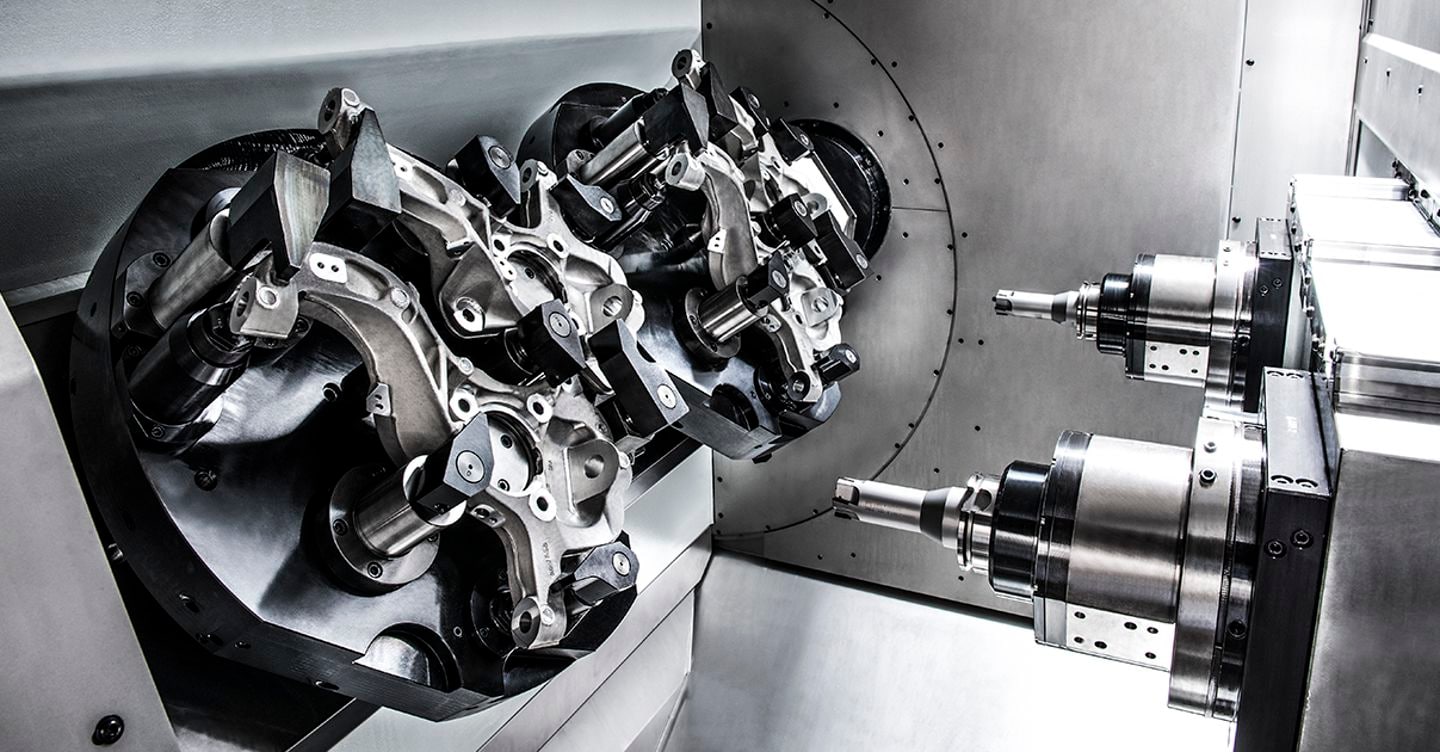
Recent data from Ucimu, an analysis of over 2,000 manufacturing companies, highlights a significant decline in the average age of machinery within Italian factories. This technological rejuvenation has seen a reduction in the average age of over 350,000 machines from just over three years to 11 years and two months, with a substantial upgrade to 52% of plants now operating with numerical control.
The most notable change is the interconnectivity of machines, reaching 24.1% of total machinery, a significant increase from previous assessments. State incentives, including tax credits for 4.0 and 5.0 technology, hyper and super amortization, Sabatini law, and Zes credits, have been instrumental in this transformation. These incentives, particularly the 4.0 and Sabatini laws, have been widely utilized by 72% of the interviewed companies.
Geographically, Lombardy, Trentino-Alto Adige, Emilia-Romagna, and Piedmont continue to dominate the manufacturing landscape, while the transportation sector has seen a drastic reduction in machinery. Conversely, the aerospace industry has experienced a substantial growth, with machines transitioning from 1,500 units in 2019 to 8,500 in this assessment.
Overall, these changes demonstrate significant advancements in the manufacturing sector, with companies updating their machinery and adopting digital transformation. President of Ucimu, Riccardo Rosa, emphasizes that the continuous availability of incentives has enabled more accurate planning of investments, benefiting the industrial system.
Looking ahead, Rosa and Vice President of Confindustria, Antonio Gozzi, urge policymakers to consider extending current measures to support the upcoming industrial transformation, referring to the current 5.0 measure which has attracted over 32,000 projects worth 9.2 billion in investments. However, there is concern for the metalworking sector, particularly those in the automotive industry, which is facing significant challenges due to the rapid technological changes brought about by new regulations from Brussels. Rosa stresses the need for the European Union to uphold the principle of technological neutrality.
Written by urgent.news from Il Sole 24 Ore's reporting — not their text. Machine-written — may contain errors; check the original before relying on it.