Could weight-loss drugs become widely used by children as young as six?
Tens of millions of adults around the world are embracing weight-loss drugs as health authorities work to tackle obesity rates and boost quality of life. Recently released clinical data for the drug Wegovy – from the Danish company Novo Nordisk – indicates that the medication could also help children aged six to 12 to shed weight . Just over four-fifths of youngsters who had a weekly injection of…
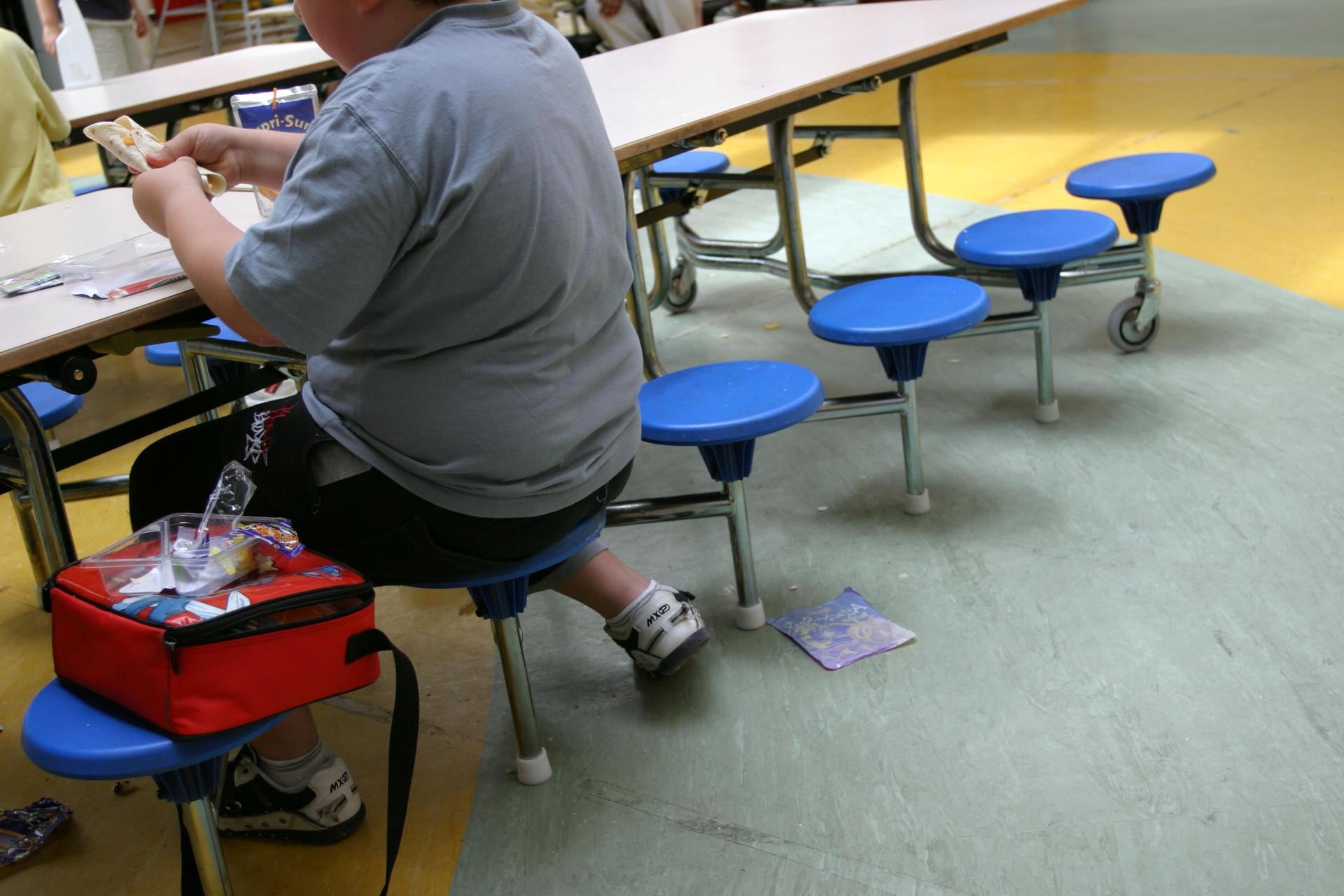
Tens of millions of adults worldwide are using weight-loss drugs to combat obesity and improve their quality of life, as health authorities strive to address the growing issue. Recent clinical data from Novo Nordisk's Wegovy drug suggests it could also help children aged six to 12 lose weight. In a study, over 80% of the youngsters who received the drug alongside a reduced-calorie diet and exercise saw their body mass index (BMI) decrease after 68 weeks, while only 23.5% of a placebo group experienced such a reduction.
Prof Ania Jastreboff, from the Yale Obesity Research Centre, reported that the children also showed improvements in various cardiometabolic measures, indicating that effective treatments for severe childhood obesity could help them avoid long-term health problems. Wegovy, a drug that reduces appetite by mimicking the gut hormone GLP-1, has been a game-changer for millions globally since its introduction a decade ago.
Recently available as a pill in the UAE, semaglutide, the active ingredient in Wegovy, is also found in diabetes medications like Ozempic and Mounjaro. Childhood obesity is a major public health concern, with nearly 10% of children aged 5 to 19 worldwide now considered obese, up from just 2% in 1990. Dr Antje Hebestreit, head of the behaviour and health unit at Germany's Leibniz Institute for Prevention Research and Epidemiology, warns that childhood obesity can lead to long-term issues such as Type 2 diabetes, cardiovascular disease, certain cancers, and even premature death.
Prof Claude Marcus, a Swedish medical doctor and academic, estimates that obese children are three times more likely to die before age 30 and 10 times more likely to develop Type 2 diabetes before their 30th birthday. He emphasizes that poor diet, rather than lack of physical activity, is the primary driver of increasing obesity rates among children.
Experts agree that having weight-loss drugs available for younger children would provide clinicians with more treatment options, as behavioral management alone may not work for everyone. However, there are concerns about potential long-term side effects, though these are likely to be rare as the drugs have been used in adults for years.
While obesity in children can lead to serious health issues, experts believe that treating them early, even from around age nine, could prevent these complications.
Written by urgent.news from The National Business's reporting — not their text. Machine-written — may contain errors; check the original before relying on it.