Conflict vs climate: How war takes toll on Middle East's environment
Zaghloul Samhan has a lot on his plate. As head of Palestine’s environment authority, he is in charge of what to do about pollution, waste and the climate crisis in the occupied West Bank and Gaza , where three years of conflict have ravaged the water, land and air. “Whilst there is talk of genocide, there is also an ecocide, because human beings are not isolated from the natural environment…
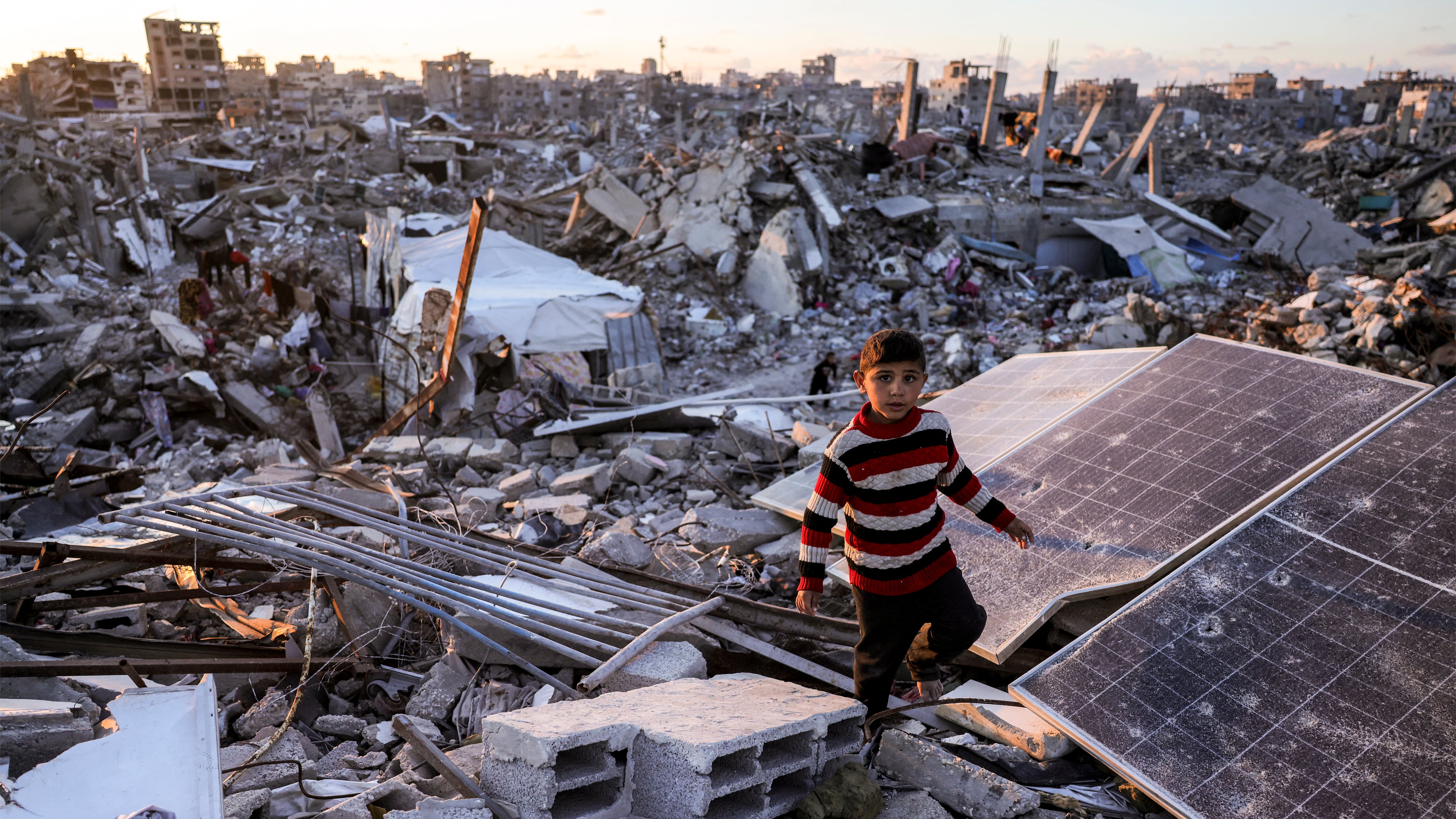
Zaghloul Samhan, head of Palestine’s environment authority, addresses the impacts of conflict on the country’s environment. As reports claim Israel is committing genocide against Palestinians, Samhan highlights "ecocide," the destruction of the natural environment. Trees, crops, and grasslands in Gaza have been devastated, and the UN confirms the scale of environmental degradation is "immense."
Across the Middle East, war has hindered climate change efforts by diverting resources, reducing finances, and increasing carbon emissions. Lebanon's delegation at Cop31 seeks more international support to fund climate initiatives, as priorities shift due to the ongoing crisis. In Palestine, Samhan notes the financial crisis caused by the war hinders large-scale climate projects, while in Gaza, all previous climate efforts have been destroyed.
Lebanon faces a "minus, minus, minus" situation, far from its carbon neutrality goal of 2050, as Israeli attacks on community solar projects hinder progress. Iran prioritizes its victims over climate action, focusing on the tragedy of the school strike in Minab, rather than the environment.
Written by urgent.news from The National UAE's reporting — not their text. Machine-written — may contain errors; check the original before relying on it.