Conflict vs climate: How war takes toll on Middle East's environment
Zaghloul Samhan has a lot on his plate. As head of Palestine’s environment authority, he is in charge of what to do about pollution, waste and the climate crisis in the occupied West Bank and Gaza , where three years of conflict have ravaged the water, land and air. “Whilst there is talk of genocide, there is also an ecocide, because human beings are not isolated from the natural environment…
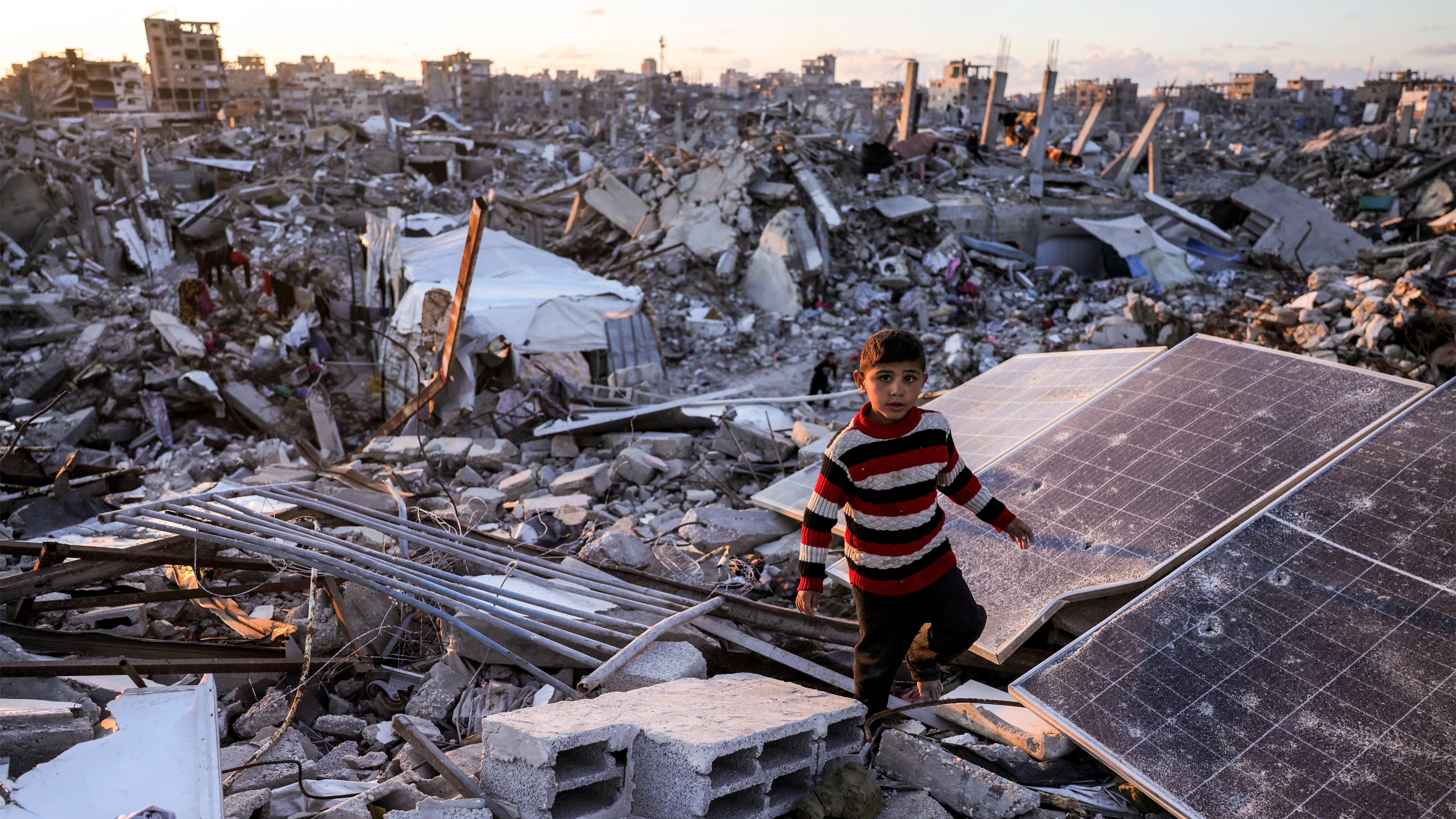
Zaghloul Samhan, head of Palestine’s environment authority, highlighted the dual crisis facing the region: genocide and ecocide. Nearly all trees, crops, and grassland in Gaza have been damaged, with the UN describing the environmental degradation as immense. Across the Middle East, war has hindered efforts to combat climate change by diverting resources, squeezing finances, and releasing more carbon dioxide into the atmosphere.
Lebanon’s delegation is seeking accelerated access to international climate funds, as priorities shift from one year to another due to the financial crisis caused by war. In Gaza, all efforts to mitigate climate change have been destroyed, starting from a near-zero baseline. Lebanon faces a "minus, minus, minus" situation, with climate targets set at 2050 being harder to achieve due to destruction caused by Israeli forces.
Iran, meanwhile, focuses on addressing the death of over 150 people in a strike on a school, rather than climate change.
Written by urgent.news from The National Business's reporting — not their text. Machine-written — may contain errors; check the original before relying on it.