Built in Singapore and Batam, bound for the North Sea: The massive platforms delivering renewable power to Europe
Once installed, each platform will help connect wind farms to Europe's electricity grid, transmitting enough renewable energy to power between 1.5 million and 2 million homes.
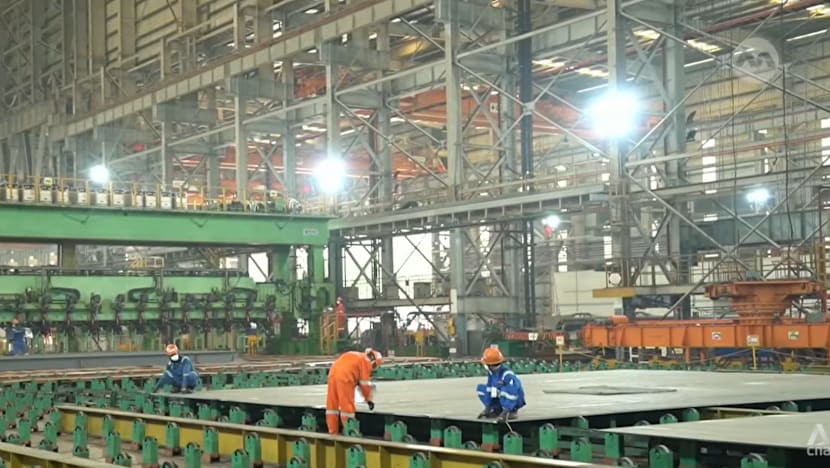
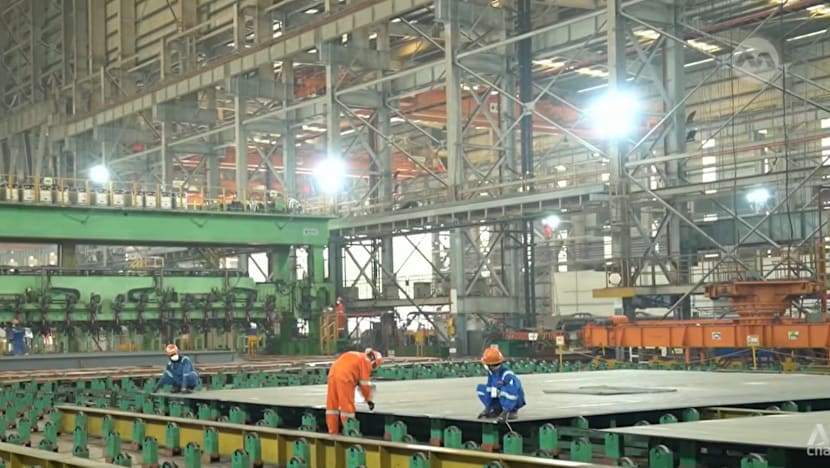
Two gigantic steel structures are being built in Singapore and Batam, Indonesia, destined for the North Sea. Each platform weighs approximately 30,000 tonnes, equivalent to three Eiffel Towers combined. Once completed, they will facilitate the connection of wind farms to Europe's power grid, supplying renewable energy to around 1.5 million homes.
These high-voltage direct current (HVDC) offshore converter substations are being constructed for Dutch transmission system operator TenneT, which is heavily investing in expanding infrastructure to support the increasing use of offshore wind power.
According to WindEurope, wind power currently provides about one-fifth of Europe's electricity demand, with its share projected to rise to 30% by 2030. To distribute this generated wind energy throughout the continent, significant onshore investment is required, costing the Netherlands €43 billion (US$50 billion) over the next five years. TenneT's chief operating officer, Maarten Abbenhuis, highlighted the need for grid expansion to keep pace with renewable electricity generation.
These platforms are designed to transmit up to two gigawatts of electricity, necessitating specialized infrastructure to carry such large amounts of power over long distances. The HVDC technology employed allows for efficient electricity transmission over vast distances. Once the electricity reaches land, it is converted from HVDC to alternating current and integrated into the continental electricity grid.
Seatrium's yards in Singapore and Batam are playing a crucial role in the construction of these offshore platforms, requiring specialized engineering capabilities, skilled labor, and large-scale industrial capacities. Approximately 2,000 people are currently employed on the three commissioned substation projects in Singapore and Batam. TenneT's Abbenhuis emphasized that the availability of skilled workers and the size and quality of the yards were key factors in selecting these locations for the projects.
Singapore's maritime ecosystem and established offshore sector provide advantages in supply chain management, which is critical to delivering projects of this scale. The maritime ecosystem the country possesses greatly aids in the delivery of such large-scale projects. While these platforms will contribute to bringing more renewable electricity ashore, TenneT's Abbenhuis emphasized that demand for clean power must also grow alongside the electrification of industries, households, and transportation to support the broader energy transition.
"That momentum is now... for us to be able to distribute all the offshore wind, the industry needs to electrify now," he concluded.
Written by urgent.news from Channel News Asia's reporting — not their text. Machine-written — may contain errors; check the original before relying on it.