BAE Systems says its new 'ghost radar' piggybacks TV and radio signals to detect and track airborne threats without revealing its own position
BAE Systems develops passive radar that tracks aircraft and drones using existing broadcasts, avoiding detectable transmissions while preparing for operational trials.
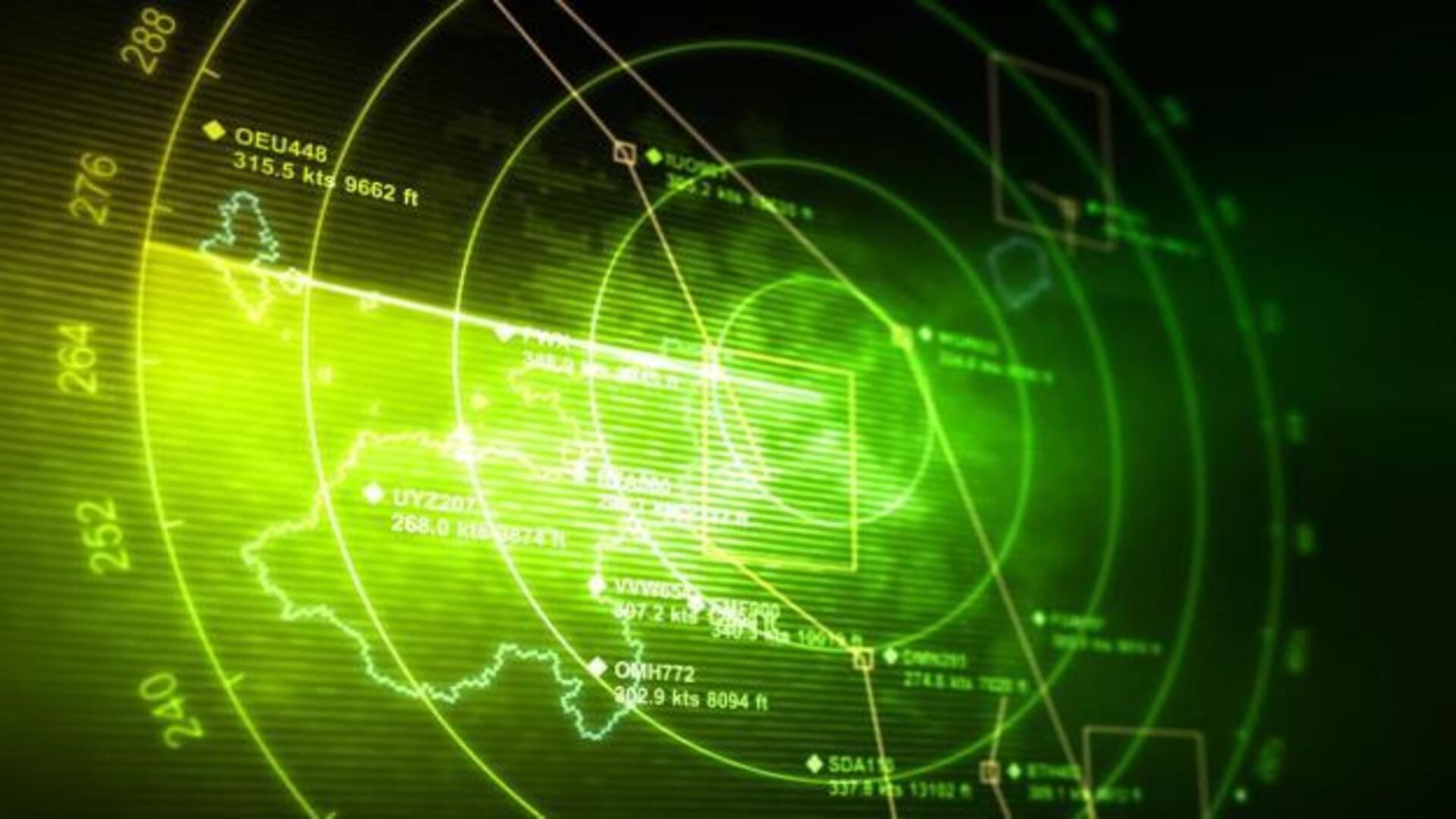
BAE Systems has unveiled a groundbreaking new radar technology that tracks aircraft and drones without transmitting detectable signals. This innovative system harnesses existing television and radio broadcasts to provide continuous monitoring of airspace without revealing its own position to adversaries. Unlike traditional radar equipment, which emits electromagnetic signals that can be easily detected, this passive radar relies on the signals that already exist in our daily lives, such as digital television broadcasts, radio stations, and mobile networks.
One of the key advantages of this new technology is its cost-effectiveness. BAE Systems claims that its passive radar system is up to ten times less expensive than several competing products currently available on the market. The equipment is also highly portable, with a compact design that allows it to be installed inside sport utility vehicles.
This mobility enables security personnel to deploy the radar across various urban locations, providing flexible coverage without the need for permanent radar installations or extensive infrastructure.
The three-dimensional view provided by the passive radar system offers valuable information about airborne objects, including their distance, altitude, direction of travel, and speed. This data can support a range of applications, from surveillance activities and threat assessment to responding to potential security threats. Chris Shepherd, Product Manager for BAE Systems’ Digital Intelligence & Land business, highlights the system's potential to enhance security measures by harnessing everyday signals to provide cost-effective and safe protection.
While the technology was initially developed for military applications, BAE Systems also sees several potential civilian security uses. Essential facilities for national infrastructure, such as airports, power stations, and other sensitive installations, could benefit from passive monitoring to avoid operational restrictions caused by conventional radar emissions.
Additionally, the ability to monitor approaching drones without transmitting identifiable signals could offer an additional surveillance option for military personnel during operations. Civilian security agencies could also utilize the system to examine suspicious aircraft movements around strategic locations.
BAE Systems plans to conduct operational trials of this new radar technology throughout 2027 with organizations involved in law enforcement, military defense, and critical infrastructure protection. These trials will provide opportunities to assess the technology's performance under real-world conditions and determine its suitability for various applications.
At present, the company has not disclosed detailed performance measurements, detection ranges, or the specific broadcasting frequencies required for reliable operation.
Written by urgent.news from TechRadar's reporting — not their text. Machine-written — may contain errors; check the original before relying on it.