Asia-Qatar corridor drives non-oil diversification as regional trade heads towards $1.9tn
Deepening economic ties between Asia and the Middle East are accelerating Qatar’s diversification agenda, opening up two-way capital flows and multi-sector partnerships across energy transition, logis...
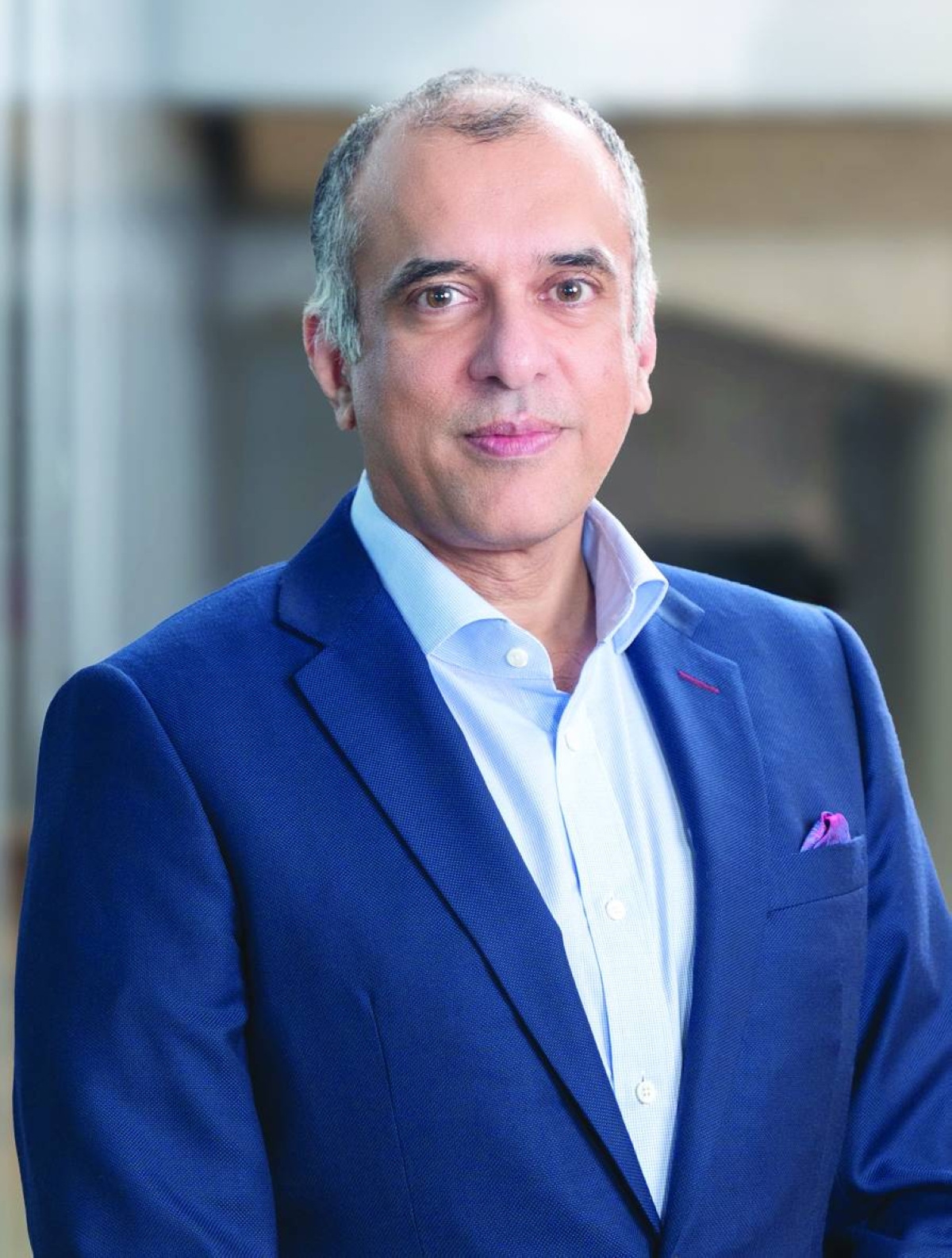
Economic partnerships between Asia and the Middle East are accelerating Qatar's transition away from an oil-dependent economy. HSBC's co-CEO for Asia and the Middle East, Surendra Rosha, highlighted the potential in sectors like infrastructure, technology, advanced industries, financial services and energy transition. HSBC's research shows that Asia-MENA (Middle East, North Africa and Turkey) trade could reach $1.9tn by 2035, surpassing trade between the Gulf and the West.
Qatar's strategic position, supported by its liquefied natural gas (LNG) sector and investments in logistics, aviation and digital capabilities, positions it at the heart of this trade corridor. The renewable energy transition is emerging as a key driver for collaboration, with 56% of Qatar business leaders identifying it as a catalyst for capital expenditure.
Qatar's macroeconomic stability and deepening capital markets have bolstered investor confidence, with 96% of global business leaders and 95% of institutional investors viewing the country as an attractive destination for infrastructure investment. Qatar's business leaders are balancing operational stability with long-term capital deployment, while also expanding their international reach.
The bank is expanding its presence in Doha to capitalize on this growing demand for integrated cross-border banking services.
Rewritten by urgent.news; may contain errors — check the original.