As attention spans move on from Iran and oil, the world is forever changed and the conflict is escalating again
Global oil demand is projected to peak by 2030 even as worldwide energy demand continues to skyrocket.
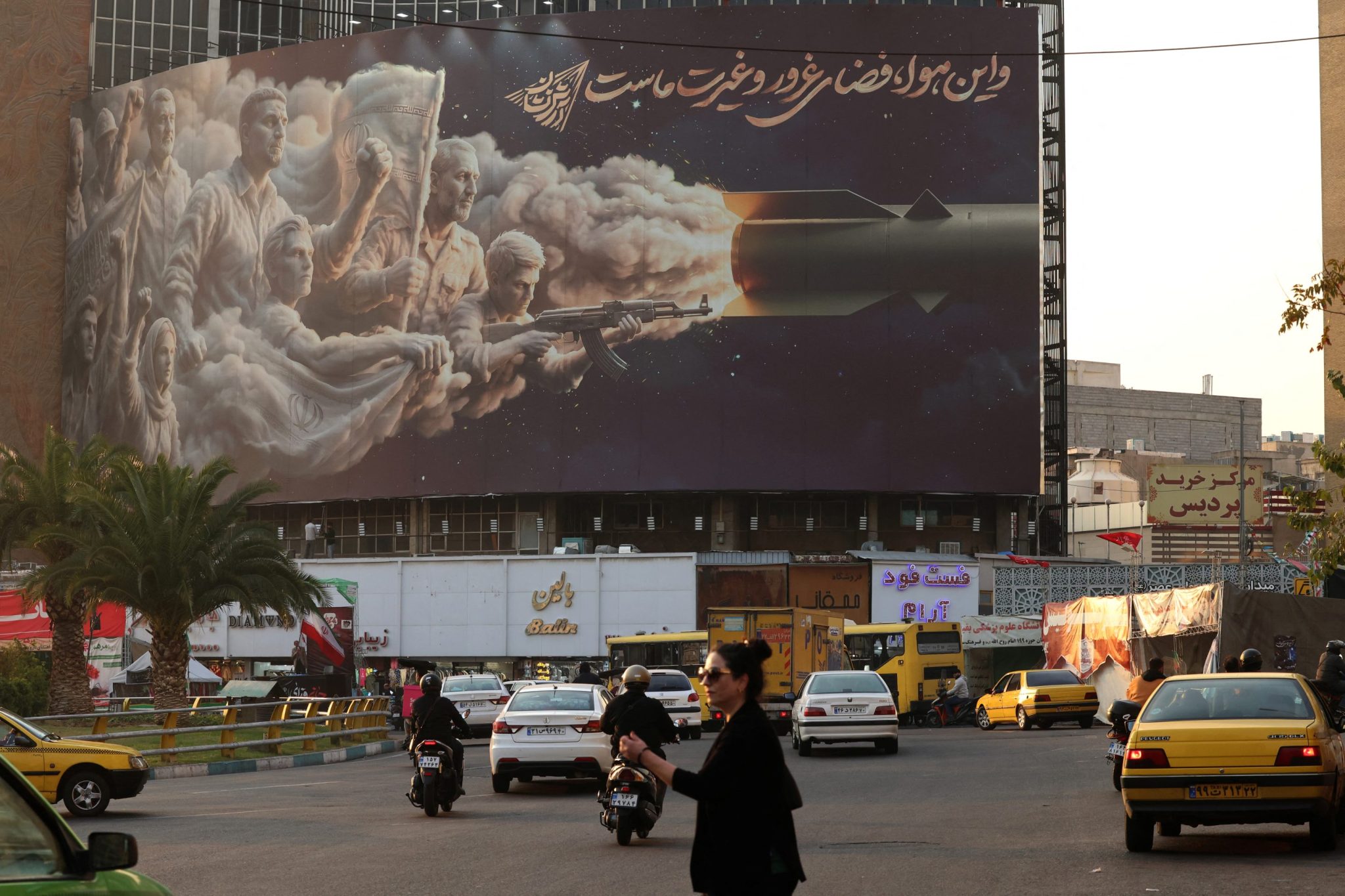
The October news cycle heavily focused on elections, Nvidia, and Anthropic, but the Iran conflict quietly intensified this week, as reported by the International Energy Agency in its annual World Energy Outlook released Thursday. While gasoline and diesel prices have dropped from record highs, the Middle East will never return to its previous norm, and the rest of the world is rushing to develop alternative energy sources, including renewables and fossil fuels, due to tight global supplies and food security threats, particularly in Asia.
This situation occurs while global energy demand surges from the AI boom and rising middle classes in developing countries.
IEA executive director Fatih Birol stated that while the energy sector and global economy have shown resilience, the longer the crisis persists, the more severe the impact will be, with no credible pathway to return to the pre-war status quo. The nearly nine-month Iran war and the closure of the crucial Strait of Hormuz constitute the most significant energy supply shock in modern history, even surpassing the Iranian Revolution and the Arab oil embargo of the 1970s.
Iran has struck U.S. facilities in Bahrain and Kuwait, and the U.S. retaliated by targeting Iran's Qeshm Island, indicating an ongoing uneasy conflict that could persist through 2027.
Oil forecaster Dan Pickering warned that the war creates anxiety in global energy markets, and Iran might strategically cause more instability. Oil exports from the Middle East have nearly returned to pre-war levels at 90%, due to alternative pipelines, U.S. escorts through Hormuz, and acclimation to periodic flare-ups. However, the absence of a U.S.-Iran deal creates a significant risk premium.
Global oil prices have fallen below the $100 per barrel threshold, despite remaining higher than $90, and global oil reserves have decreased by 2.8 billion barrels over nine months due to reduced U.S. Strategic Petroleum Reserve levels.
The Iran war has amplified price spikes and physical shortages, especially in Asia and Africa, where over 4 billion people—about half of the global population—rely on Middle Eastern oil supplies. About 80% of Middle Eastern oil exports went to Asia before the war. Saudi Arabia, the UAE, and Iraq are developing pipelines to bypass Hormuz, but those projects will take years, and Iranian control of the Strait of Hormuz will maintain uncertainty.
The Americas are boosting oil production, while African nations also invest in renewables and electric vehicles. The IEA projects that renewables will accelerate, nuclear power will grow, and global oil demand will peak by 2030, declining afterward. Natural gas demand will rise through the mid-2030s and stabilize. The report highlights that August was the hottest month ever recorded, and a strong El Niño could exacerbate weather-related challenges in 2027.
High energy prices, fertilizer shortages, and CO2 and air pollutant emissions create hazards for food security and worsen global energy geopolitics, with rising trade restrictions and fractured trust. The IEA warns that the world needs credible roadmaps to phase out fossil fuels, backed by sufficient public financing to ensure a rapid and equitable transition.
Written by urgent.news from Fortune's reporting — not their text. Machine-written — may contain errors; check the original before relying on it.