An urban test for South Africa’s unity government
The ANC’s push to retake three key cities with populist allies risks deepening tensions with its national governing partner, the Democratic Alliance.
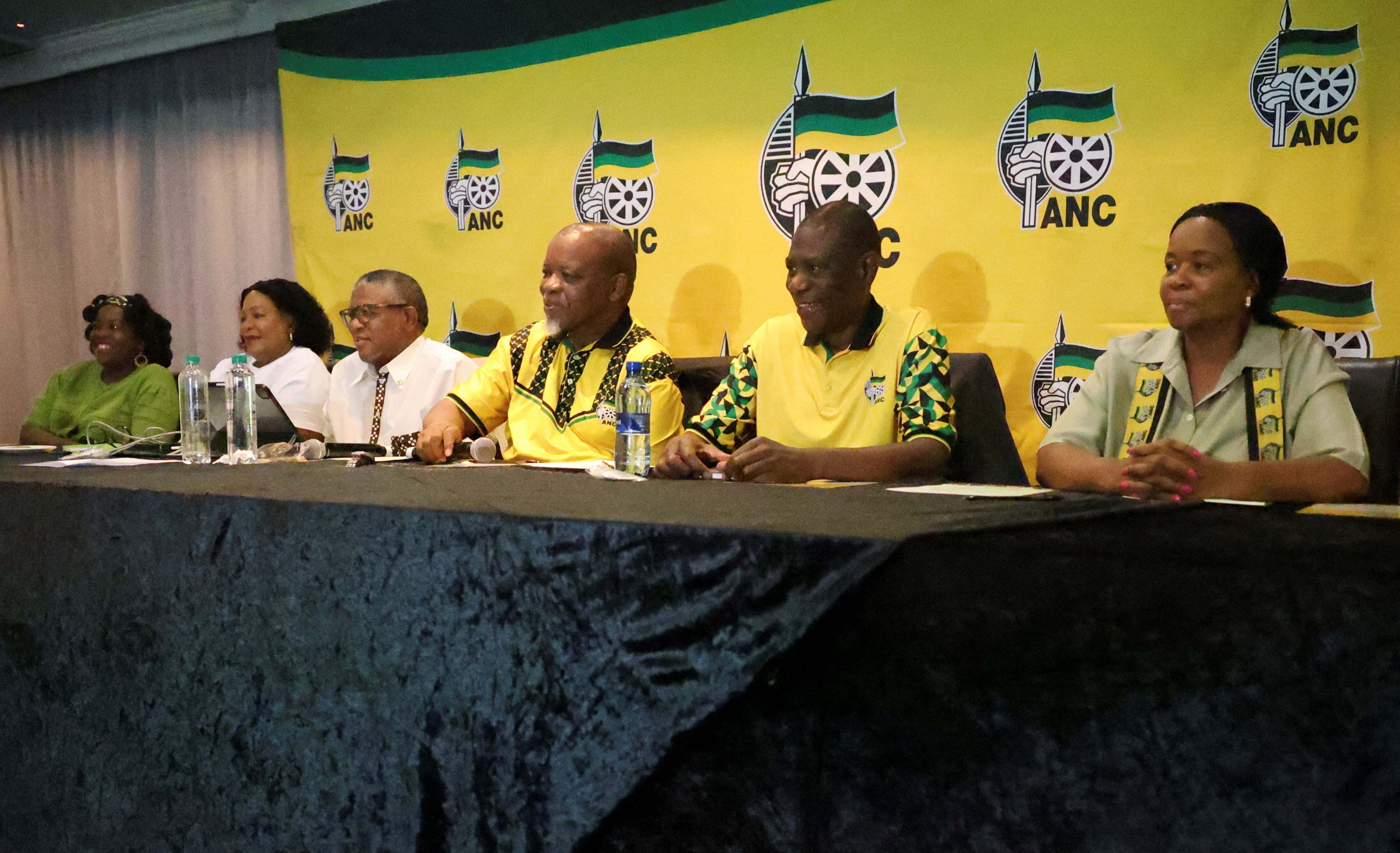
The African National Congress (ANC) is negotiating with smaller populist parties for control of three major cities—Gauteng, which includes Johannesburg—the financial hub of Africa's largest economy. Despite finishing first in each city during local elections, the Democratic Alliance (DA) is expected to be in opposition in all three.
This potential power struggle in Gauteng is causing investor anxiety about the longevity of the ANC's national partnership. Helen Zille, a former DA leader and Western Cape premier, conceded defeat in her bid to become the mayor of Johannesburg, as negotiations entered their final week. ActionSA, which finished third in Johannesburg, plans to share power with the ANC, Economic Freedom Fighters, and uMkhonto weSizwe Party in Tshwane and Ekurhuleni.
This deal could re-establish the ANC's control in the cities, with the help of its own radical-left populist breakaways. South African voters went to the polls on November 4, and local councils have until November 27 to hold their first meetings after the release of elected councillors in the Government Gazette. The ANC's national leadership gave negotiators a broad mandate to discuss with "all political parties, large and small."
The ANC remains open to a deal with the DA, despite calls for an end to the partnership from the ANC Youth League. This proposed deal could undermine confidence in the Government of National Unity, which was formed after the ANC lost its parliamentary majority in May 2024. The deal also raises concerns about the future of reforms investors are counting on to revive growth in Africa's most industrialized economy.
Written by urgent.news from Semafor's reporting — not their text. Machine-written — may contain errors; check the original before relying on it.