6 harsh truths we woke up to after the Melaka polls
We are heading into choppy waters. We need to be honest with ourselves if we want to avoid the maelstrom that could drown us all.
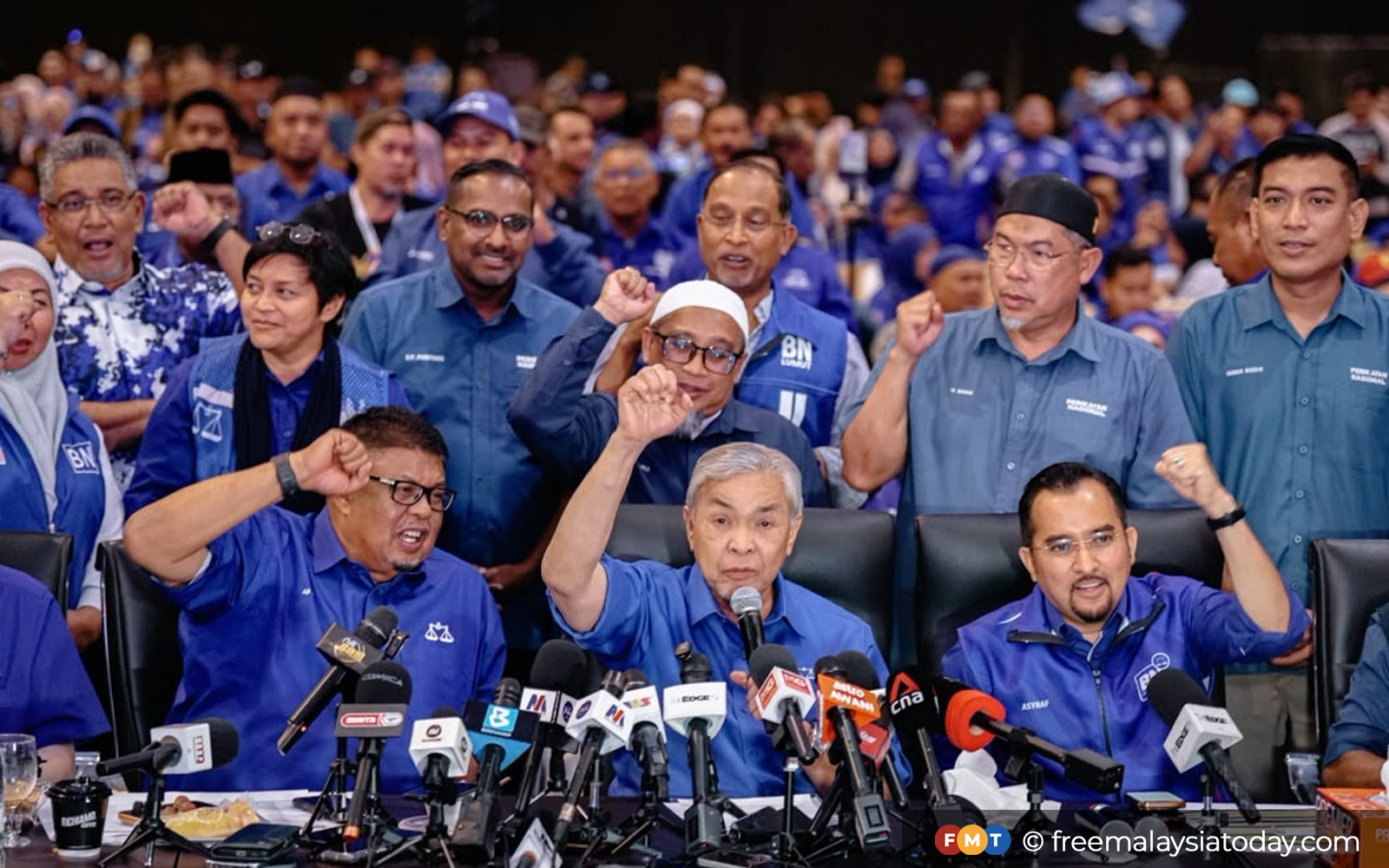
In the aftermath of Malaysia's Melaka state election, six stark realities emerge that every Malaysian needs to acknowledge. The Barisan Nasional (BN)-Perikatan Nasional (PN) coalition emerged victorious, with Malays casting their ballots overwhelmingly in favor of the two parties, especially Umno and PAS. This indicates a continued stronghold of Malay support for these coalitions.
Despite corruption allegations against Umno, such as the Tabung Haji and Felda controversies, voters remained largely unconcerned, allowing BN and PN to maintain their grip on power.
A second harsh truth is that many Malay voters seem to be unconcerned about corruption. The controversies surrounding Umno and PAS did not inflict significant damage on their support, as voters largely prioritized other factors. PAS leader Abdul Hadi Awang's assertion of Malay-Muslim political dominance continues to resonate, without substantial opposition.
Thirdly, the Bersama alliance, comprising Pakatan Rakyat (PR) and Umno, proves to be a complex partnership. Despite their hard work and sincerity, they have yet to reap substantial rewards, raising questions about the depth of their collaboration. The uneasy relationship between these two parties, coupled with historical tensions, suggests that Bersama must learn from past mistakes to ensure future success.
Fourthly, the People's Justice Party (PKR) must embrace bold changes if it wishes to survive the upcoming general election. Anwar Ibrahim, PKR's president, must begin grooming a new generation of leaders and gradually cede control to allow fresh perspectives to emerge. Otherwise, PKR risks becoming obsolete, with little hope of regaining public enthusiasm.
Fifthly, Pakatan Harapan must forge meaningful agreements with the ruling coalitions in Sabah and Sarawak. These deals should extend beyond the Malaysia Agreement 1963, as Anwar has the unique opportunity to appoint an East Malaysian prime minister. Such a move could reshape Malaysia's political landscape significantly.
Lastly, voter turnout during the Melaka election shows a stark divide based on ethnicity. Malay voters turned out at a significantly higher rate, with 80% participating, compared to just 60% among Chinese voters. Overall turnout was 70%. If Malaysia is to forge a new path, it is crucial that every vote counts. A higher voter turnout, particularly from non-Malay constituents, could dramatically affect electoral outcomes.
It is imperative that the Election Commission takes steps to ensure the participation of the approximately one million Malaysians residing overseas, as their involvement could tip the scales in favor of a more inclusive and representative future.
Written by urgent.news from Free Malaysia Today's reporting — not their text. Machine-written — may contain errors; check the original before relying on it.
This story
This is one outlet's version. Read the fullest account.
- 6 harsh truths we woke up to after the Melaka polls freemalaysiatoday.com