Why Groundcover’s CEO says agents are the power users of observability
An AI coding agent can write a patch in minutes. Ask it whether that patch slows down the API endpoint The post Why Groundcover’s CEO says agents are the power users of observability appeared first on The New Stack .
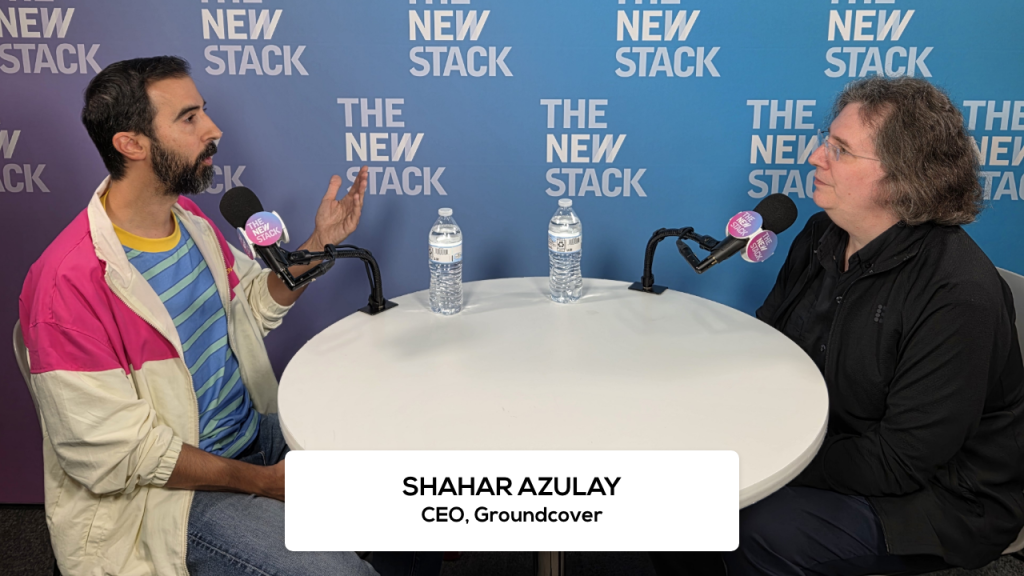
Groundcover, an observability platform, wants to place production telemetry in the hands of developers and their coding agents. CEO and co-founder Shahar Azulay explained at KubeCon + CloudNativeCon in Salt Lake City that agents are now the power users of observability. Groundcover exposes telemetry through the Model Context Protocol (MCP), providing coding agents with a way to query it while they work.
Developers and test writers can use observed application behavior to identify scenarios customers actually encounter. Groundcover uses telemetry internally for its coding agents and for code review purposes. Agents also introduce new monitoring aspects, contrasting traditional application traces with agent runs that can span hours and involve thousands of tool calls.
Groundcover employs an eBPF sensor to collect telemetry without requiring developers to add an SDK to every service. It also supports OpenTelemetry, allowing teams to retain their existing signals and add custom instrumentation where necessary. Groundcover's bring-your-own-cloud model keeps telemetry and agent operations within the customer's cloud environment, allowing customers to pay for the underlying infrastructure.
This model also benefits teams concerned about sensitive customer data in prompts or tool calls, as it keeps the information under their control. The CEO envisions a future where agents can assist in addressing incidents on both sides of deployment, proposing code changes and infrastructure adjustments. The company also addresses the practical aspects of transitioning observability platforms, including the impact on existing dashboards and monitors built over years.
Written by urgent.news from The New Stack's reporting — not their text. Machine-written — may contain errors; check the original before relying on it.