Who is liable if AI misdiagnoses? Dubai’s health chief clarifies
Dubai: When an AI system contributes to a wrong diagnosis, no single party automatically carries the blame. Dr Alawi Alsheikh-Ali, Director General of Dubai Health Authority, said responsibility depends on how the tool is used. Speaking at the AI Retreat during Dubai Future Week, in a session titled “Past the Pilot”, the DHA chief answered the question many patients ask. If AI leads to a wrong…
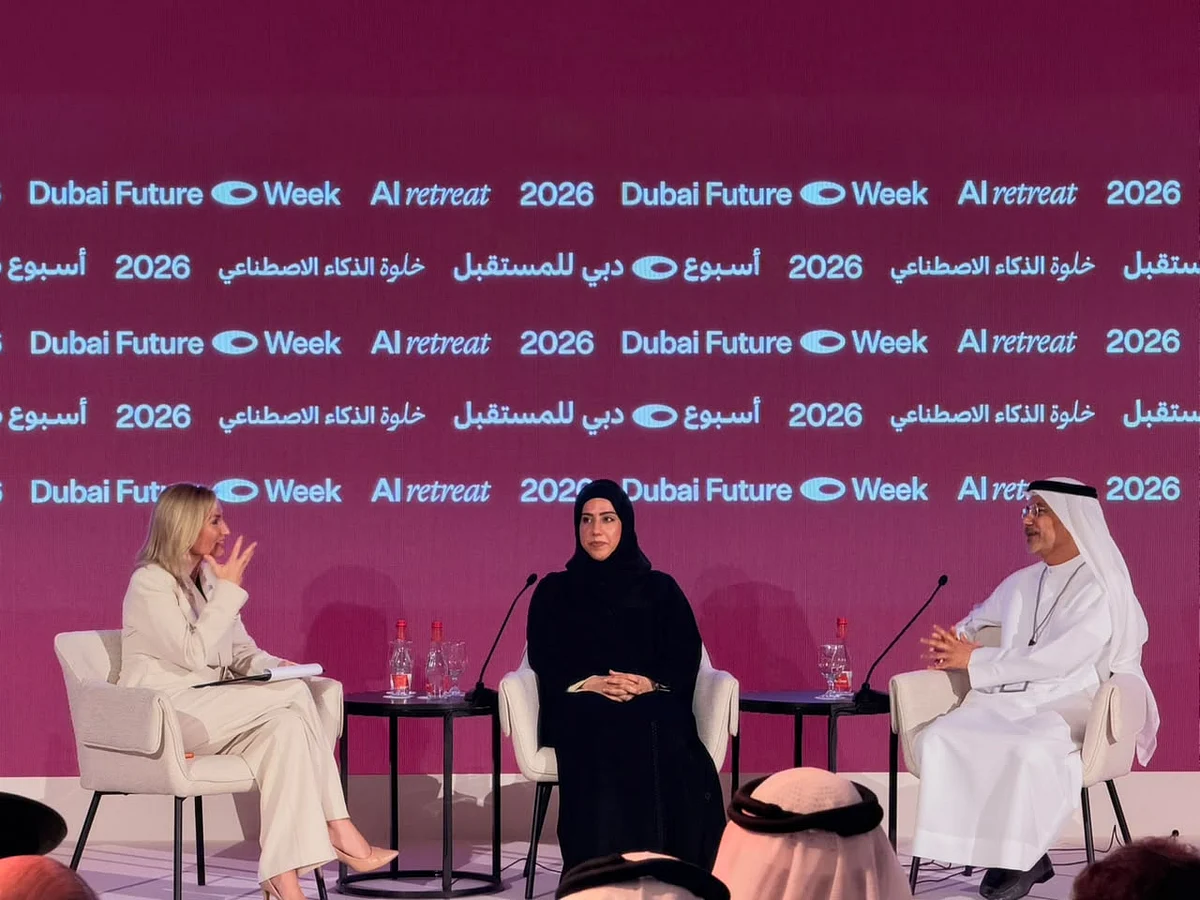
Dubai: Dr Alawi Alsheikh-Ali, Director General of Dubai Health Authority, clarified that when artificial intelligence contributes to an incorrect diagnosis, no single party is automatically at fault. He identified three possible culprits: the physician, the hospital allowing the technology, and the company that developed it. Alsheikh-Ali then contrasted two scenarios.
In the first, AI functions as a supplemental tool to assist a medical professional; in the second, it operates as the primary care provider. He emphasized that the physician remains accountable for oversight and final decision-making when AI assists. However, liability may shift to the developer if a defect in the product causes harm.
Hospitals that permit staff to use AI without proper oversight, monitoring, or training might also share responsibility.
Alsheikh-Ali stressed the importance of patients understanding AI's role in their diagnosis. He presented two clinic scenarios illustrating the challenge. In the first, a patient experiencing chest pain is asked if they feel pain. Depending on the patient's response manner, the AI transcribing the conversation could record the word "no" in different contexts, revealing inconsistencies in the patient's denial. This ambiguity poses difficulties in interpreting AI's role.
Shifting focus to AI's potential use in cancer screenings, Alsheikh-Ali mentioned a technology capable of detecting a specific cancer six months earlier than existing methods. While early detection is desirable, subsequent research revealed that the tool also flagged non-cancerous findings, resulting in unnecessary tests and heightened patient anxiety.
Crucially, early cancer detection did not improve patient outcomes. Alsheikh-Ali concluded that the value of AI in healthcare must be measured by whether it enhances patient care, reduces costs, and saves time. He dismissed marketing as a measure of value and advocated for assessing new AI tools based on their ability to improve, safeguard, or streamline care.
He suggested that AI should be applied to high-impact areas such as operations, pattern recognition, note summaries, X-rays, CT scans, MRIs, skin or heart readings, and drug discovery. Ultimately, Alsheikh-Ali believes that AI has the potential to return doctors' time to patient care, thereby restoring the human element in medicine.
Written by urgent.news from Gulf News's reporting — not their text. Machine-written — may contain errors; check the original before relying on it.