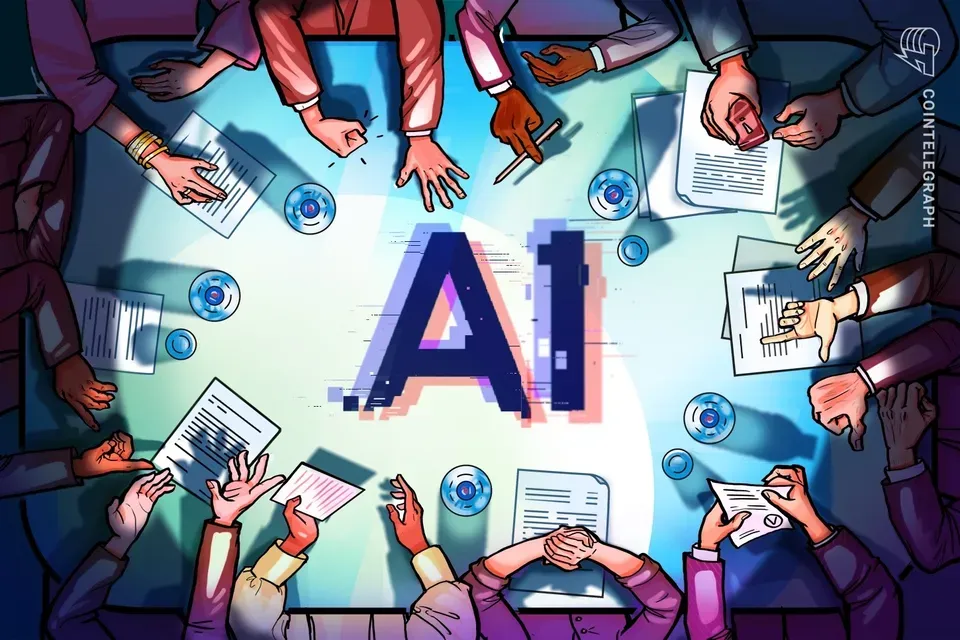
When "AI Boom" Becomes "Cloud API Regret": The Case for Client-Side Compute
The tech industry is abuzz with AI, and rightfully so. From intelligent assistants to hyper-personalized experiences, AI promises a transformative future. But in our rush to integrate these powerful capabilities, many of us have fallen into a familiar trap: the default impulse to send everything to the cloud. We're witnessing a concerning trend where the initial "AI boom" excitement is slowly…
The tech industry's fascination with AI has led to a concerning trend: many developers default to sending data to cloud-based APIs. This 'AI boom' excitement is giving way to 'cloud API regret,' as architects grapple with soaring costs, complex infrastructures, and significant privacy liabilities.
Sensitive data like audio recordings, medical voice notes, and internal discussions are routinely transmitted to third-party cloud APIs for tasks like transcription or natural language processing. This introduces severe security and privacy risks, creating a perfect storm for data breaches, audits, and compliance nightmares.
The cloud offers scalability and managed infrastructure, but integrating AI tasks often results in a cascade of complexities. These include network latency, billable data egress costs, and the overhead of managing distributed systems. Each network hop creates potential interception points, and each service interaction adds computational and data transfer overhead, amplifying the regulatory burden (GDPR, HIPAA, CCPA, etc.).
The solution? Bring AI computation to the client side. Modern web browsers now offer powerful Web APIs that enable zero-backend, air-gapped computation directly on the user's device. This approach eliminates network latency, reduces costs, and ensures inherent privacy. WebAssembly (WASM), WebGPU, and the Web Neural Network API (WebNN) are revolutionizing browser capabilities, making it possible to run complex AI models like Whisper for speech-to-text directly on the user's device.
A real-world example, SolveMyMedia, demonstrates this shift. By leveraging web technologies, SolveMyMedia's transcription engine runs powerful neural transformer models locally, without a backend or internet connection post-initial model download. This approach offers superior performance, enhanced privacy, and substantial cost savings.
Written by urgent.news from Dev.to's reporting — not their text. Machine-written — may contain errors; check the original before relying on it.