What does the Anthropic IPO mean for your 401(k)?
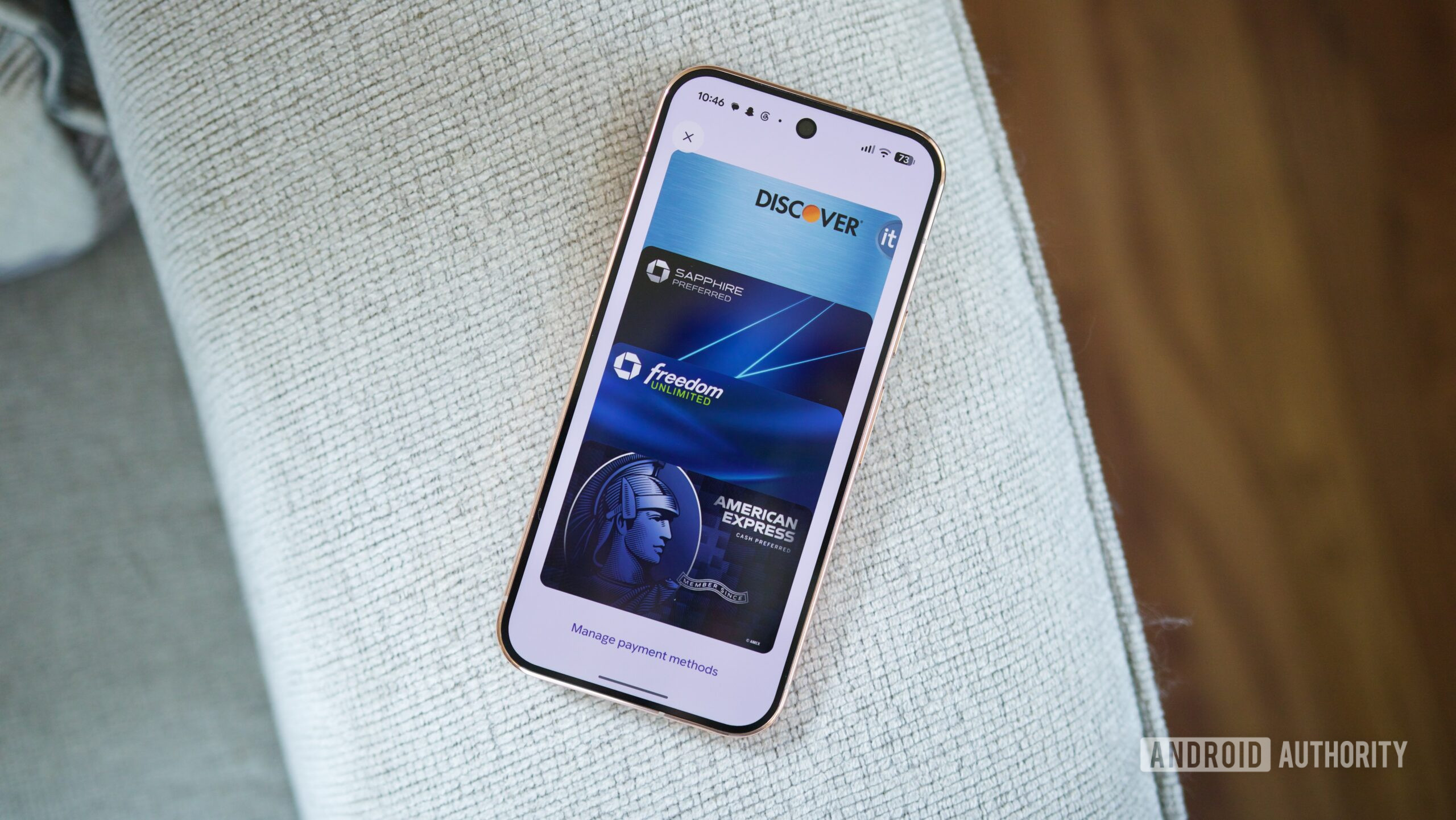
You may have no interest in investing in AI companies, and you may even suspect that the AI boom is a bubble about to pop . But you could already have a stake in one of the industry’s biggest players anyway: Anthropic, which went public today, may be in your retirement account or about to show up there. Some mutual funds, including American Funds Growth Fund of America (AGTHX) and Fidelity Select…
Anthropic, an AI company, went public today and may already be a part of your retirement account. Some mutual funds, such as American Funds Growth Fund of America and Fidelity Select Technology, hold substantial equity stakes in Anthropic. Additionally, index funds will soon acquire shares as they have changed their rules to allow massive companies to join major indexes shortly after going public. Previously, companies had to wait months or a year to be included in major indexes due to concerns about stock volatility.
Nasdaq and FTSE Russell have shortened their waiting periods for qualified mega-IPOs to 15 trading days and five trading days, respectively. Morningstar and the S&P 500 have a five-day waiting period, but the S&P 500 still requires companies to turn a profit before joining. Anthropic, however, has yet to clear these hurdles.
When Anthropic is included in a retirement portfolio, it will have a small initial weight, representing 0.05%–0.15% of Vanguard's total market index fund. For someone with $500,000 in the fund, this could mean $250 to $750 worth of indirect exposure to Anthropic.
To determine if your 401(k) or an index fund includes Anthropic, you'll need to examine the details. Most people don't review their index funds, even if they've chosen not to invest in the Nasdaq-100. Some actively managed mutual funds and index funds, such as Russell 1000, Russell 3000, Nasdaq-100, Morningstar U.S., FTSE Global All Cap, and MSCI USA, may also hold Anthropic shares.
Written by urgent.news from Fast Company's reporting — not their text. Machine-written — may contain errors; check the original before relying on it.