Welcome to Software Beirut
The internet’s roads are breaking down.
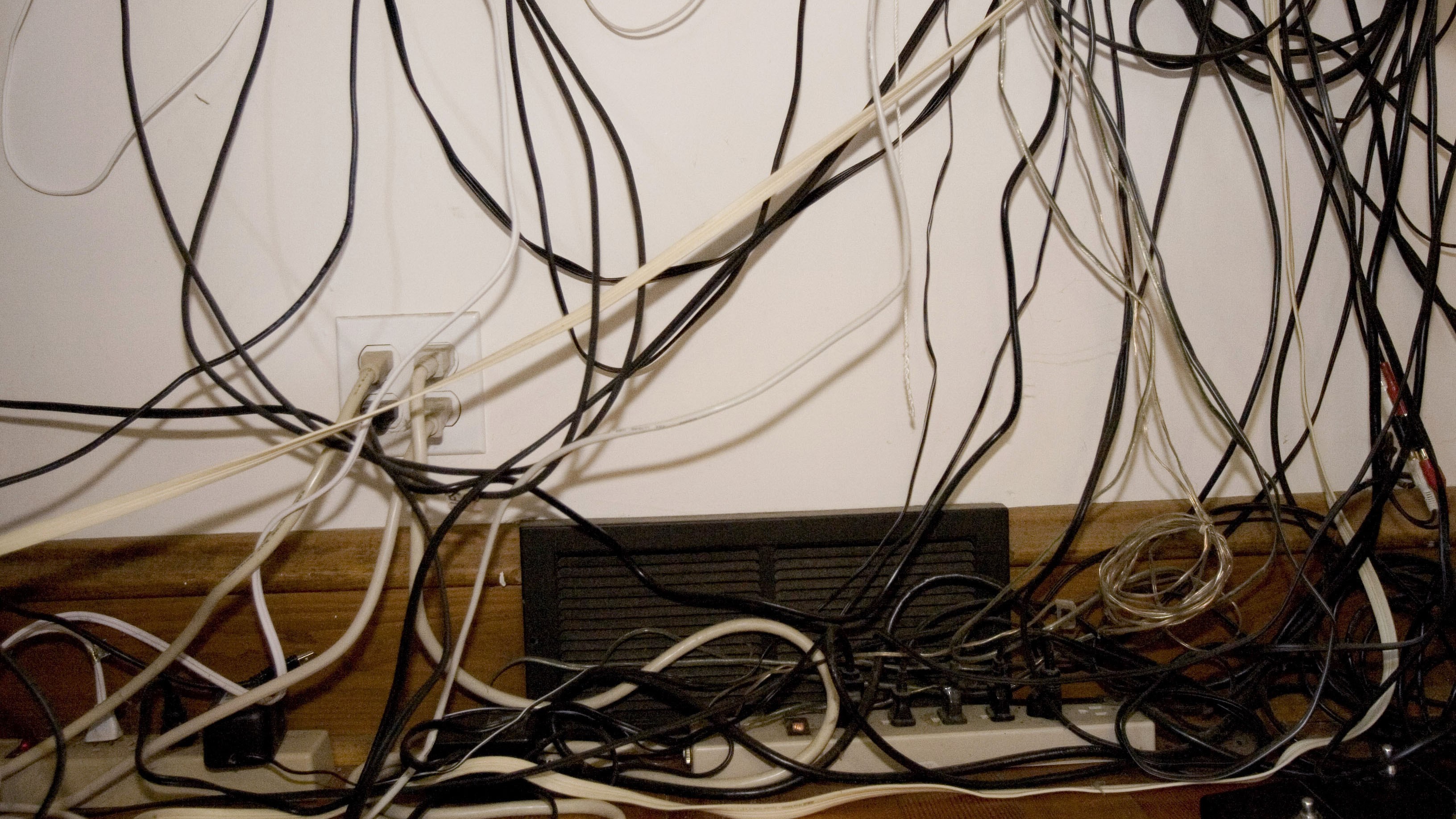
Last week, I wrote about the arrival of "Software Beirut" - an environment where software is constantly breaking and issues may arise at any moment. Despite isolated incidents at the FAA, Chase, and Microsoft, many readers enjoyed the term and encouraged its continued use. It turns out that the software chaos is not due to malicious forces, but rather boring causes such as AI exposing vulnerabilities, the rapid need to fix bugs, and the federal government gutting the Cybersecurity and Infrastructure Security Agency (CISA).
In April, Anthropic introduced an AI model called Mythos that could identify security flaws in millions of lines of code in mere minutes. Initially, concerns were raised about potential misuse of these new tools by hackers and vandals. However, cyber defenders quickly began a sprint to fix the discovered vulnerabilities. By July, major software companies like Microsoft, Google, and Apple had disclosed over five times as many serious security vulnerabilities compared to their monthly records before Mythos.
While the rapid repairs were impressive, they also posed new dangers. AI had made it perilous to install fixes, as cybercriminals could reverse-engineer the fixes into working exploits within an hour. Additionally, the process of testing the patches, updating thousands of employees, and maintaining regular service proved to be a challenging human task.
Software had never been magic, but thinking about it like infrastructure, like roads, could help understand the situation better. Imagine if every road in the country were owned by different individuals, each fix potholes and set up detours without coordinating. It would be similar to how software updates are handled, with only those responsible for each piece of software coordinating with one another.
The federal government's cuts to the CISA, proposed in the 2027 budget, further exacerbated the issue. With the agency already facing a third reduction in its workforce since early 2025, coordination of software updates and cyber defense efforts is becoming increasingly difficult. Private safety nets, such as Anthropic's Project Glasswing and the Alliance for Critical Infrastructure, are essential but cannot replace the resources of these major companies. As a result, small businesses and local governments remain the most vulnerable to cyberattacks.
Written by urgent.news from The Atlantic's reporting — not their text. Machine-written — may contain errors; check the original before relying on it.