'We are humans too, we have feelings': Healthcare workers grapple with abuse by those they care for
Reports of abuse and harassment against healthcare workers have nearly doubled in two years. But protecting staff becomes more complicated when those responsible are vulnerable patients who still depend on their care.
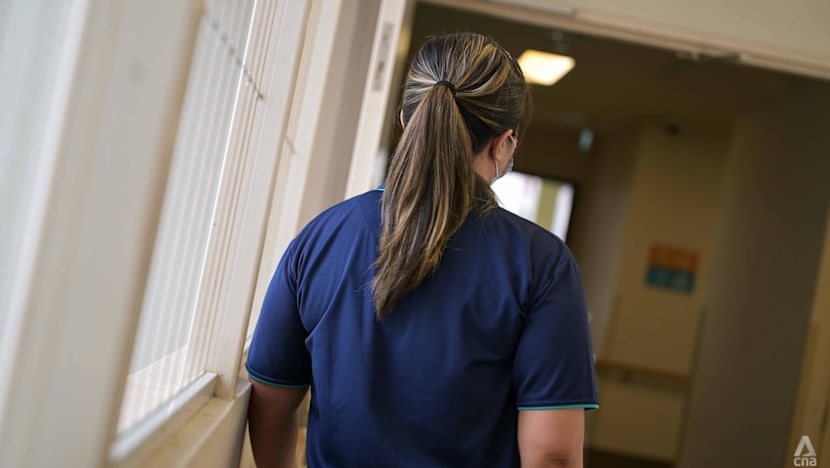
Healthcare professionals are facing a growing problem of abuse and harassment from patients they care for, with reports nearly doubling in recent years. However, protecting staff becomes increasingly difficult when the offenders are vulnerable individuals who rely on their care.
Mary, a nursing home rehabilitation worker, had developed close relationships with her residents. During a rehabilitation session, a male patient made sexually inappropriate comments towards her. Despite being professional and ending the session, she felt emotionally affected. "We are humans too, we have feelings," she said.
A survey conducted by the Tripartite Workgroup for the Prevention of Abuse and Harassment of Healthcare Workers found that about two-thirds of healthcare workers had witnessed or experienced such incidents. Despite zero-tolerance policies, many cases remain unreported due to fears of repercussions, uncertainty over reporting procedures, or the belief that such treatment is an inherent part of the profession.
Dr Gillian Lim, a senior consultant, shared her own experiences of verbal, physical, and sexual harassment. She believes that healthcare workers have become more willing to report incidents over time, but the emotional toll of abuse can last long after the encounter. Dr Lim has filed two police reports, including one involving a patient who spat at her and made sexually inappropriate remarks.
Protecting healthcare workers is further complicated when the abusive behavior may be linked to the patient's medical condition, especially in long-term care facilities. Mr Ronnie Poh, head of nursing at MWS Nursing Home, explained that shouting, demeaning remarks, and physical aggression from anxious family members can deeply demoralize staff. In cases involving dementia, healthcare professionals must respond with compassion, understanding that the behavior may stem from fear, confusion, or difficulty communicating needs.
The number of abuse and harassment cases reported to the police involving public healthcare workers has increased from about 350 in 2023 to 550 in 2025. However, providing post-incident support, such as time off for police interviews, is crucial to help healthcare workers cope with the emotional impact of such experiences.
Written by urgent.news from CNA - Singapore's reporting — not their text. Machine-written — may contain errors; check the original before relying on it.
This story
This is one outlet's version. Read the fullest account.