US Fed Rate Hike: Officials Signal Further Tightening As AI Spending Fuels Inflation
US Federal Reserve officials expect further interest rate increases as persistent inflation and rising artificial intelligence (AI) investment costs complicate efforts to stabilise prices. Minutes of the Oct 27-28 Federal Open Market Committee (FOMC) meeting, released on Nov 18, showed that almost all participants considered additional monetary tightening necessary under their economic…
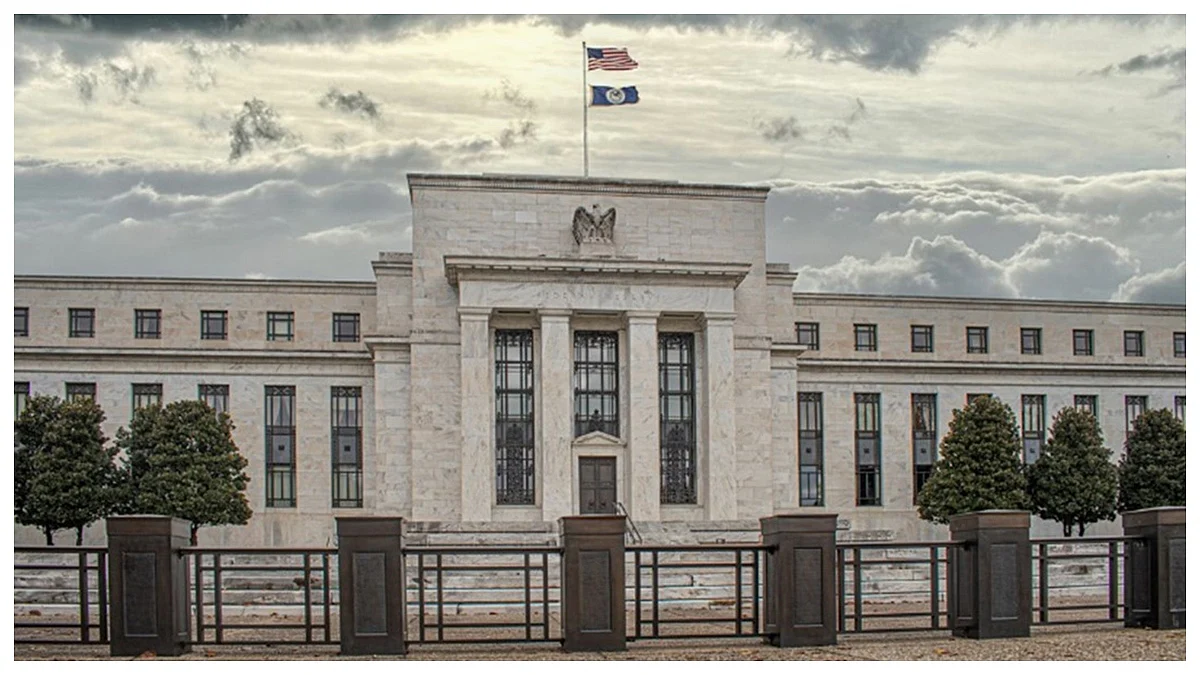
Federal Reserve officials anticipate additional interest rate hikes in the coming months as persistent inflation and soaring artificial intelligence (AI) investment costs challenge price stabilization efforts. Minutes from the Oct 27-28 Federal Open Market Committee (FOMC) meeting, published on Nov 18, revealed that nearly all participants deemed more monetary tightening essential based on their economic forecasts. Two officials even contemplated a more substantial rate increase during December if inflation remained high.
Central bank officials aim to bring inflation back to its 2% target. Fed Governor Christopher Waller suggested during an interview with CNBC that policymakers may need to contemplate a 50-basis-point hike at their Dec 8-9 meeting. Alternatively, Waller favored a smaller 25-basis-point increase coupled with a clear signal of further rate hikes in January.
Waller expressed worry that inflation was extending beyond energy prices into services, with businesses increasingly viewing annual price hikes of around 3% as the new norm.
At their October meeting, the Fed kept its benchmark interest rate at 3.75%-4%, following a quarter-point increase in September. Ten voting members backed keeping rates unchanged, while Fed Chair participants Lisa Cook and Beth Hammack advocated for another 25-basis-point lift. Fed staff projected September headline personal consumption expenditures (PCE) inflation at 3.6%, while core inflation came in at 3.1%, both surpassing the central bank's target.
Minutes from the meeting underscored growing apprehensions that AI infrastructure investments were driving up demand for technology equipment and pushing up prices. Several officials noted that these pressures were spreading beyond data center construction. Fed staff also flagged potential financial stability risks stemming from debt-funded projects, lease commitments, and interconnected financing arrangements among AI companies.
While officials deemed the banking system resilient, some believed AI-driven productivity gains could eventually temper inflation.
Policymakers remained divided on the proper pace of tightening. New York Fed President John Williams opposed aggressive action, arguing that economic conditions did not justify an unusually large rate increase. The Fed's next policy decision is set for Dec 8-9.
Written by urgent.news from Free Press Journal's reporting — not their text. Machine-written — may contain errors; check the original before relying on it.