US Air Force announces new focus on sensors and autonomous warfare — with drone-killing kit top of the list
The US Air Force's 2026 strategy prioritizes sensors, artificial intelligence, and autonomous systems to improve detection and air defense operations.
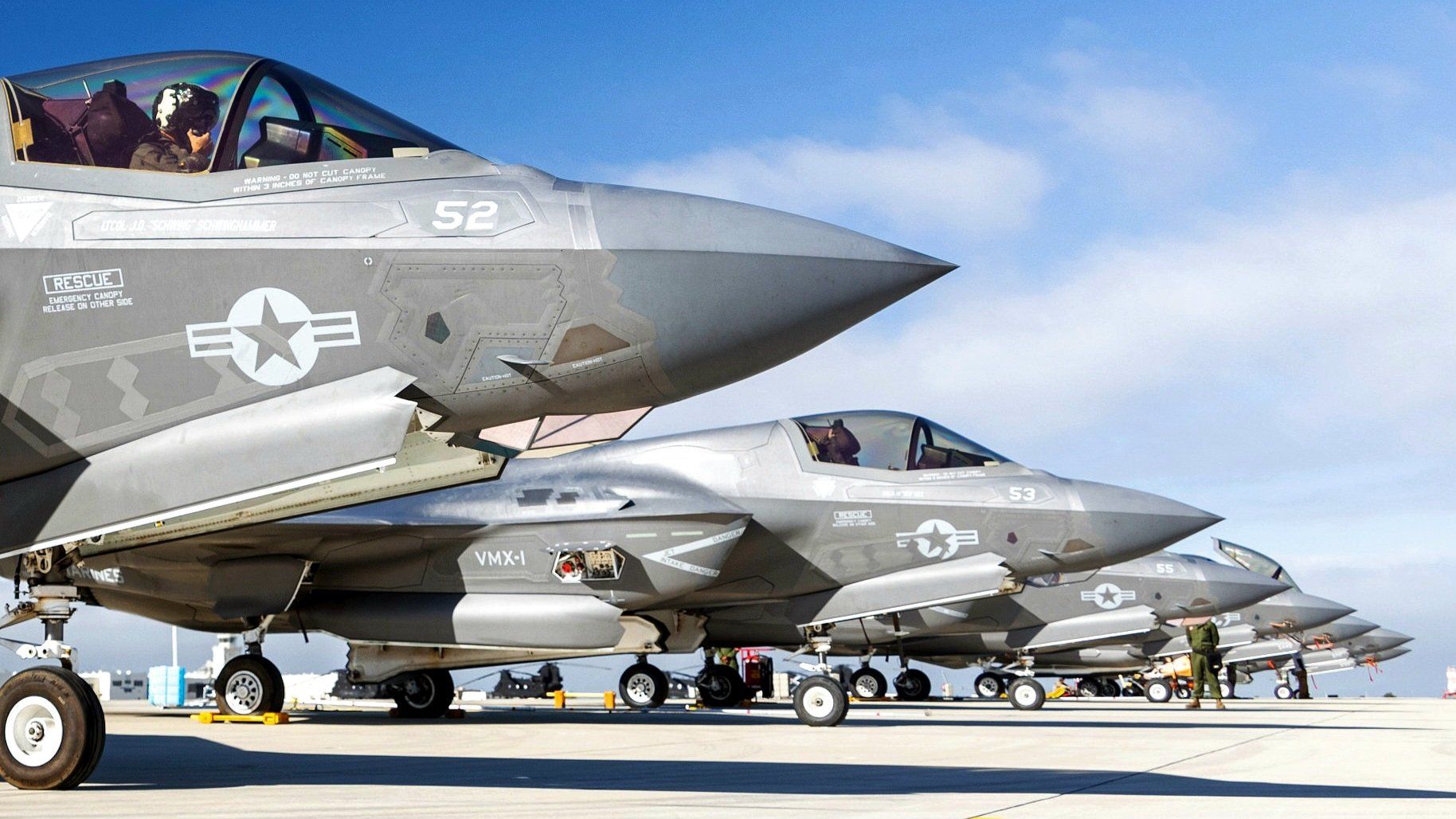
The US Air Force has unveiled a new modernization strategy emphasizing sensors, artificial intelligence, and autonomous systems. The updated Force Design 2026 approach shifts the focus from interception to early detection and collaborative responses to aerial threats. The service aims to anticipate and track threats more efficiently, rather than solely relying on weapons that intercept and destroy incoming aircraft or drones.
The new framework prioritizes sensors, interconnected networks, and artificial intelligence, recognizing that these technologies are increasingly shaping modern air defense operations. Lt. Gen. Chris Niemi, deputy chief of staff for Force Modernization and chief modernization officer, acknowledged that technological advancements bring both opportunities and challenges.
He noted that emerging technologies can render traditional approaches to generating military airpower less effective when confronting sophisticated weapons and interconnected defensive networks. The strategy also highlights the importance of integrating autonomous capabilities, advanced detection equipment, and command systems with existing aircraft.
This integration would enable different military platforms to collaborate seamlessly, especially when conventional communications and navigation systems are compromised. The updated framework represents a significant departure from the Air Force's previous modernization approach, which was outlined in the One Force Design framework introduced in October 2024.
This earlier document established counter-drone priorities across short-range, long-range, and intercontinental threats. The revised strategy shifts the focus toward combining detection technologies, autonomous platforms, and command infrastructure to better address the evolving challenges of aerial warfare.
Written by urgent.news from TechRadar's reporting — not their text. Machine-written — may contain errors; check the original before relying on it.