Unless you’re building a data center or have a side hustle, you’re significantly worse off than last year, according to the Fed
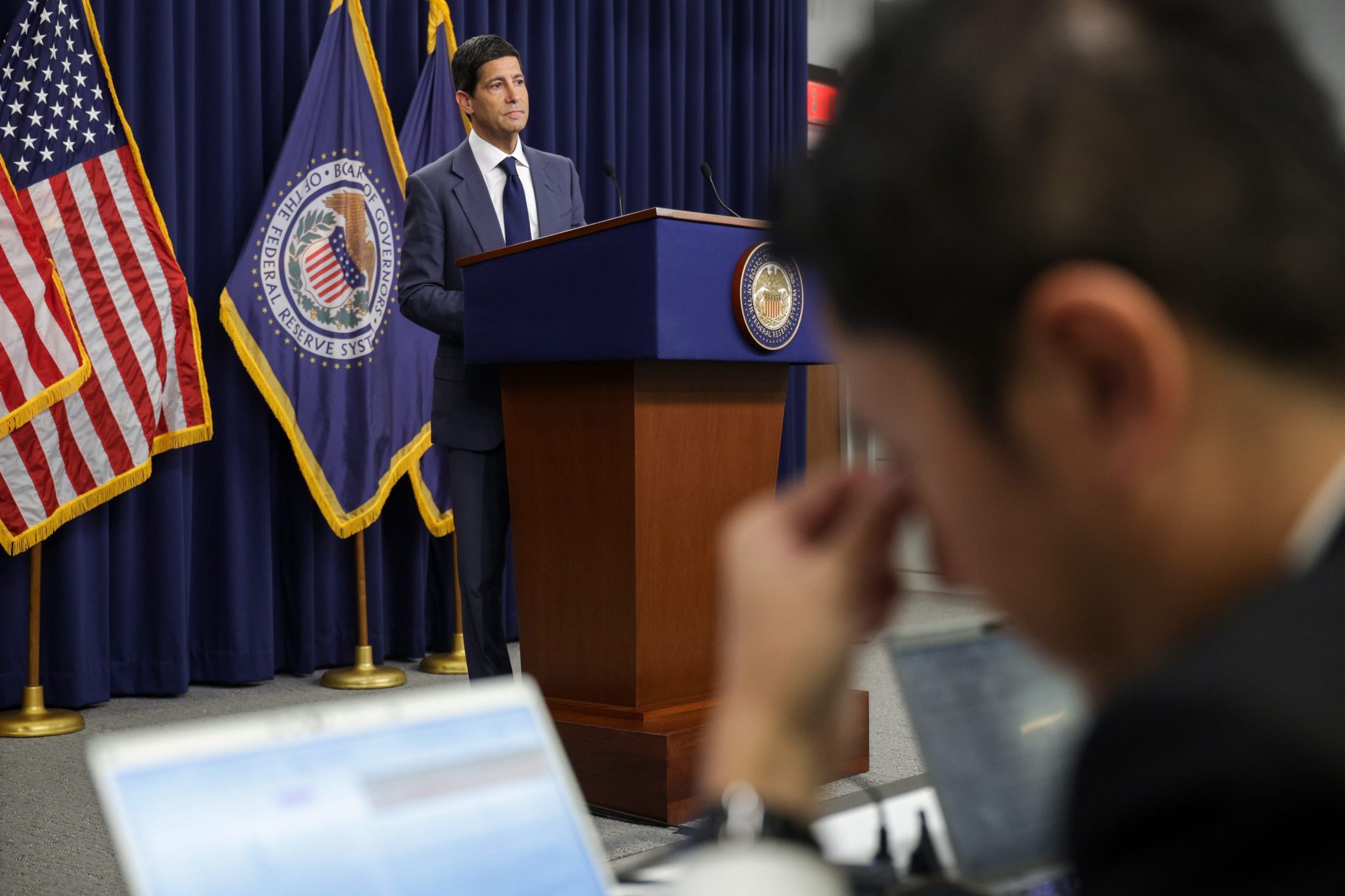
Consumers across the United States are finding themselves significantly worse off financially compared to the previous year, according to the Federal Reserve's latest minutes. While most people may not be in the two niche groups of individuals who are better off financially, the Fed's data suggests that inflation has left many households in a precarious position.
Inflation in the U.S. has been consistently higher than the Federal Reserve's 2% target rate, currently standing at 3.7% over the past year. This means that prices for goods and services are rising at a much faster rate than consumers' incomes are growing. As a result, people are facing a double-edged sword: prices are increasing faster than they can reasonably expect, and any income growth they see is failing to keep pace with the rising costs of living.
The balance between rising prices and income growth is crucial for maintaining consumer affordability. Ideally, when inflation is at its target, the growth in income would offset the increased costs, allowing consumers to maintain their spending power. However, in 2026, this equilibrium has been disrupted, leaving many households struggling to keep up with the new demands on their finances.
The Federal Reserve's minutes from their latest meeting indicated that most participants believed wage growth remained moderate and consistent with the committee's 2% inflation objective. Some sectors, such as data center construction and related industries, have experienced significant wage premiums due to skilled worker shortages. However, these positive signs for wage growth do not fully offset the lagging inflation, as incomes are still falling short of the increased costs.
While the Fed's minutes suggested that the economy was stable and close to maximum employment, with inflation ahead of target, this apparent contradiction between wage growth and inflation raises concerns about the central bank's mandate. Higher borrowing rates and tighter financial conditions could put additional pressure on consumers and the economy, potentially leading to a rate hike in the upcoming December meeting.
Fed Governor Christopher Waller has even called for a more substantial rate increase, emphasizing the need for the Fed to "shock people" into action.
The situation highlights the complex challenge the Federal Reserve faces in balancing its dual mandate of price stability and maximum employment. While wage growth in certain sectors may provide some relief, the overall income growth lagging inflation remains a significant concern for consumers who are already stretched financially.
Written by urgent.news from Fortune's reporting — not their text. Machine-written — may contain errors; check the original before relying on it.