Trilateral summit: Three powers, one table, an uncertain future
As part of preparations for the upcoming summit between US President Donald Trump and his Chinese and Russian counterparts, Xi Jinping and Vladimir Putin, on November 19, 2026, it is worth noting that the disagreement among the three parties is not limited to the issues the three nations will discuss, but also extends to determining what should actually be discussed during the summit. Washington…
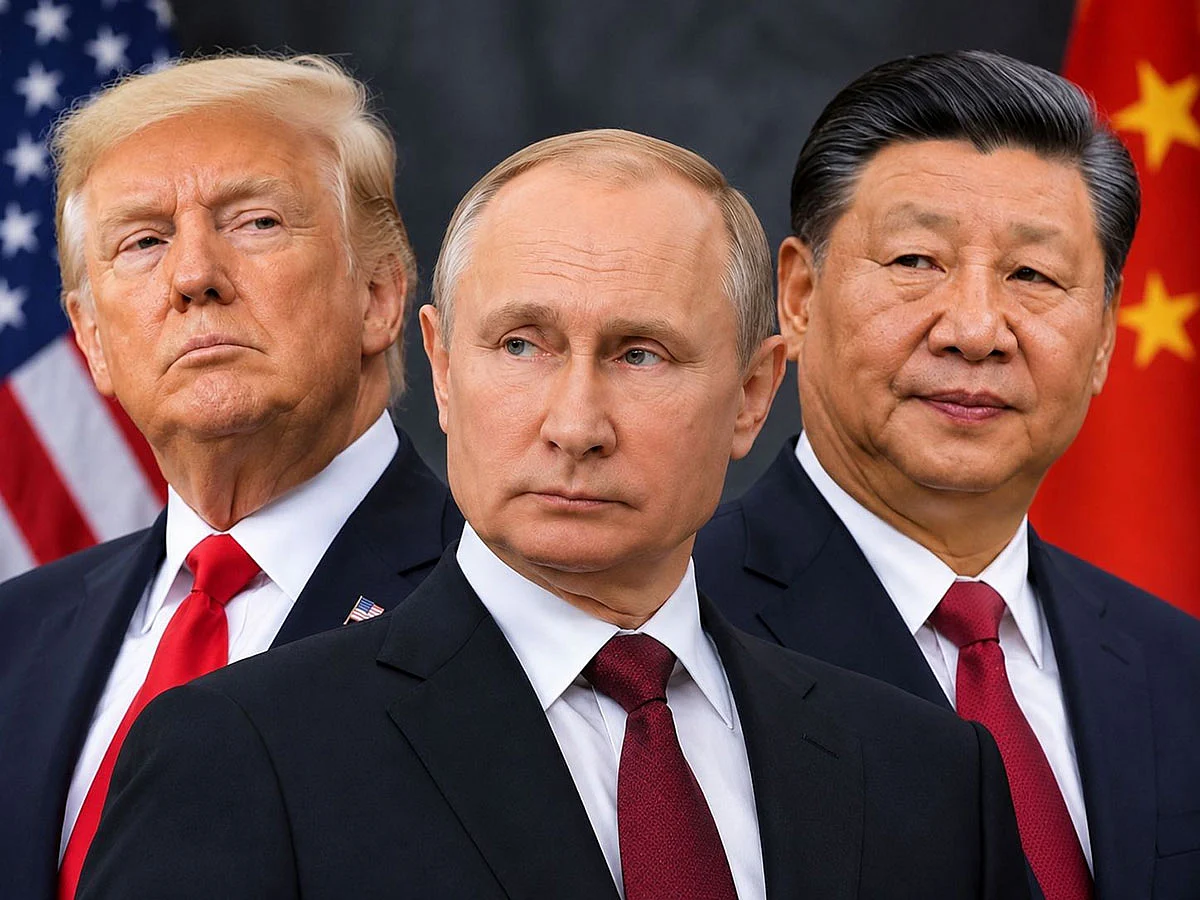
The upcoming summit between US President Donald Trump, Chinese President Xi Jinping, and Russian President Vladimir Putin, scheduled for November 19, 2026, aims to address various issues between the three nations. However, disagreements among the parties extend beyond the topics to be discussed during the summit. While Washington seeks to initiate a dialogue on nuclear arms reduction, citing Iran's conflict as an example, they do not plan to include the Ukraine war in the trilateral discussions.
This omission may raise questions within international circles, as the significance of the war in relations among major powers is undeniable. The differing perspectives on this issue among the three parties contribute to the uncertainty surrounding the summit's agenda. Beijing appears hesitant to engage in nuclear negotiations with the United States and Russia based on equality.
Despite China's substantial nuclear arsenal compared to the US and Russia, they are unwilling to enter such negotiations. This contrast in attitudes toward nuclear negotiations reveals a deeper issue: not only is reaching agreements challenging, but agreeing on topics worth negotiation is also problematic. Understanding the potential impact of the Shenzhen Summit on international relations may be enhanced by recognizing this challenge.
The relationship between the United States and China has historically been viewed as a strategic competition, particularly in economic, technological, and military domains. Russia, on the other hand, presents a distinct challenge, mainly concerning European security, nuclear and military capabilities, and the Ukraine war. However, this difference does not imply that Washington can independently manage each relationship.
The Russian-Chinese warming, regardless of its extent, affects American understanding with one side, potentially influencing its calculations and priorities. It's not anticipated that the three countries aim to resolve all their differences simultaneously. Instead, previous indicators from the summit suggest a more likely scenario of addressing issues according to specific priorities for the participating countries.
Cooperation on areas where interests intersect while leaving other disagreements unresolved may be a more practical approach for powers acknowledging the high cost of direct confrontation but lacking sufficient reasons to retreat from their overarching strategic positions. The nuclear armament file exemplifies the divergent interests among the three powers.
The expiration of the "New START" treaty between the United States and Russia in February 2026 has eliminated a binding legal framework for controlling strategic nuclear weapons. This development raises questions about the future of nuclear arms control between the two countries. While direct negotiations on comprehensive arsenal reductions may not occur following the summit, the dialogue could focus on less complex measures, such as improving communication channels or discussing reduced risk measures to prevent nuclear escalation.
The involvement of Iran in this context further highlights the divergent interests of the three powers. All three parties face the consequences of Middle East instability, but their interests and methods of influence differ. While the US, China, and Russia may seek to limit disruptions in energy markets and maritime routes, their perspectives on Iran's future and regional security arrangements may not align.
Consequently, any rapprochement on de-escalation should not be misconstrued as a broader agreement on the region's future. Excluding the Ukraine war from the trilateral agenda, as stated by Washington, is worth noting. The war is a primary source of tension between Russia and the West; however, the US administration does not consider a meeting with China the appropriate framework to discuss it.
This position might be interpreted as an attempt to keep negotiation tracks separate, avoiding accusations of disagreements that could hinder progress on other issues. However, separating issues does not guarantee the separation of their consequences. The upcoming summit presents a dilemma: how can limited understanding be maintained when political and security relations between the parties are highly interconnected?
The Cold War era provides a historical parallel where American-Soviet understandings on arms control persisted despite ongoing competition in different regions. This experience demonstrates that strategic rivalry does not preclude cooperation on specific issues. Nonetheless, the current international environment presents unique challenges due to the growing Chinese presence, intertwined economic and technological relations, and the multiplicity of crises that are challenging to isolate from one another.
Thus, the Shenzhen Summit's importance may not be in delivering major settlements, but in testing the possibility of continued cooperation amid complex geopolitical dynamics.
Written by urgent.news from Gulf News's reporting — not their text. Machine-written — may contain errors; check the original before relying on it.