Treibhausgas Methan: EU verschiebt Klimaschutzregeln wegen Energiekrise
Das Treibhausgas Methan gilt als klimaschädlicher als CO2 - dennoch wird in Brüssel die Entscheidung getroffen, bestimmte Regeln erst später anzuwenden. Warum?
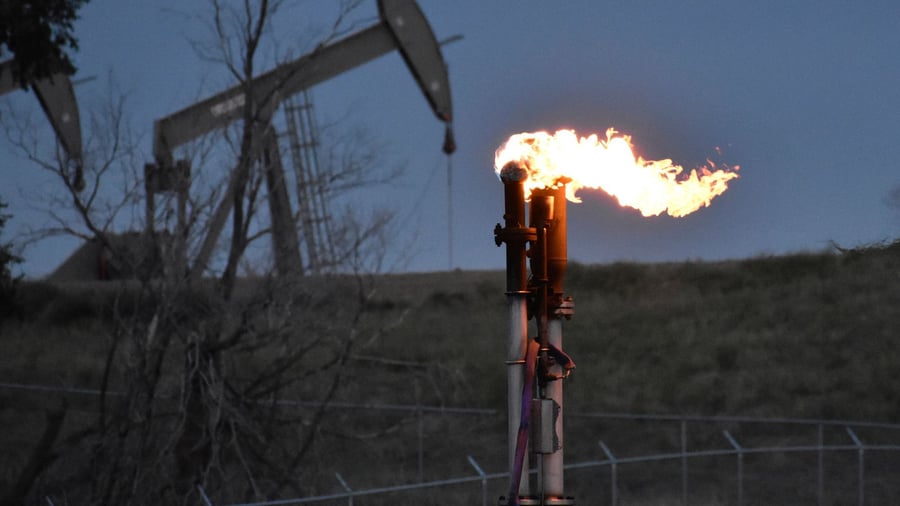
The European Union is delaying stricter climate protection rules concerning imported fossil fuels due to the ongoing energy price crisis. EU countries and European Parliament negotiators have agreed that oil, gas, and coal importers will only need to comply with EU climate rules for methane emissions starting in 2029, two years later than originally planned.
This delay aims to prevent further increases in energy prices and maintain supply security. The new rules must still be formally approved by the EU Parliament and member states before taking effect.
Existing rules have been in place since 2024, mandating that energy sector operators regularly search for and repair methane leaks from oil and gas facilities, as well as prohibiting venting or flaring of methane under certain circumstances. Starting from January 1, 2027, companies will also need to demonstrate that the producing country in their supply contracts is monitoring and documenting methane emissions as carefully as the EU requires of its own companies.
This agreement builds on a proposal by the European Commission to delay the requirement by a year, with the majority of EU countries and MEPs supporting the extension. Parliamentarians advocated applying the rules for imported fossil fuels starting in May 2031, which is nearly three years later than initially planned. In the German government, there was initial disagreement about the plan, with Environment Minister Carsten Schneider (SPD) initially emphasizing the importance of reducing methane emissions, while Energy Minister Katherina Reiche (CDU) expressed openness to more flexibility.
Methane, a greenhouse gas second only to carbon dioxide in terms of climate impact, remains in the atmosphere for a shorter period but is more harmful than CO2, contributing to climate warming and air pollution. It is produced in agriculture, landfills, and the oil and gas industries.
Written by urgent.news from Handelsblatt's reporting — not their text. Machine-written — may contain errors; check the original before relying on it.