Takealot has built an e-commerce machine. Can small businesses grow on it?
Takealot's marketplace and logistics network give more than 16,000 independent sellers access to millions of customers. But can South African SMEs turn that reach into sustainable business growth?
Takealot, South Africa's largest online retailer, aims to extend its e-commerce infrastructure beyond its own business to support small and medium-sized enterprises (SMEs). The company believes its marketplace, logistics network, and technology can help these businesses reach customers nationwide without the need to develop their own digital retail operations. With over 16,000 independent marketplace sellers, Takealot provides these businesses access to millions of potential customers across South Africa.
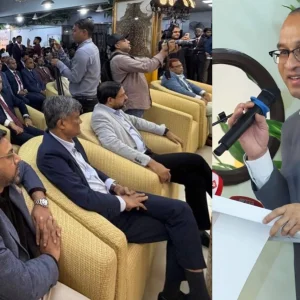
At the Africa Tech Festival in Cape Town, Takealot Group CEO Frederik Zietsman discussed the digital commerce opportunities available to SMEs through the company's platform. In the 2023 financial year, Takealot served more than six million active customers, processed over 60 million orders, and achieved its first profitable year, generating more than $1 billion in revenue.
Takealot's success is attributed to its decade-long development of technology and operational capabilities to manage orders, coordinate deliveries, and maintain customer trust. Zietsman emphasized that building trust is crucial for long-term success in e-commerce. The company's operational data network tracks processes across distribution centers, logistics networks, and various stages of the customer journey to identify issues at critical handover points and respond promptly to any problems.
Recognizing the challenges faced by third-party logistics providers in handling its volume, Takealot built its own logistics operations after several failed attempts during a peak season in 2015. The company staff even worked inside providers' facilities to redesign processes and run operations on their behalf, reinforcing the importance of controlling the customer experience by investing in its own infrastructure.
Today, Takealot operates Africa's largest mid-mile electric vehicle fleet and generates solar power at its distribution centers to reduce operating costs and improve efficiency. The company's technology strategy involves using artificial intelligence (AI) for demand prediction and software development, with Zietsman emphasizing that AI investments must generate measurable commercial benefits, such as cost savings, increased efficiency, and improved customer experiences.
In addition to its online retail ambitions, Takealot partnered with the Department of Higher Education and Training in September 2025 to align technical and vocational education with skills required in e-commerce, logistics, and digital entrepreneurship. This partnership aims to support township manufacturers and restaurants, demonstrating Takealot's commitment to creating opportunities beyond online retail.
Written by urgent.news from TechCabal's reporting — not their text. Machine-written — may contain errors; check the original before relying on it.