Smaller tankers in Hormuz shuttling trade keep crude oil flowing
The volume shipped through the waterway by Suezmaxes and Aframaxes has climbed over the past two months, hitting a wartime high of more than 1 million barrels a day in October
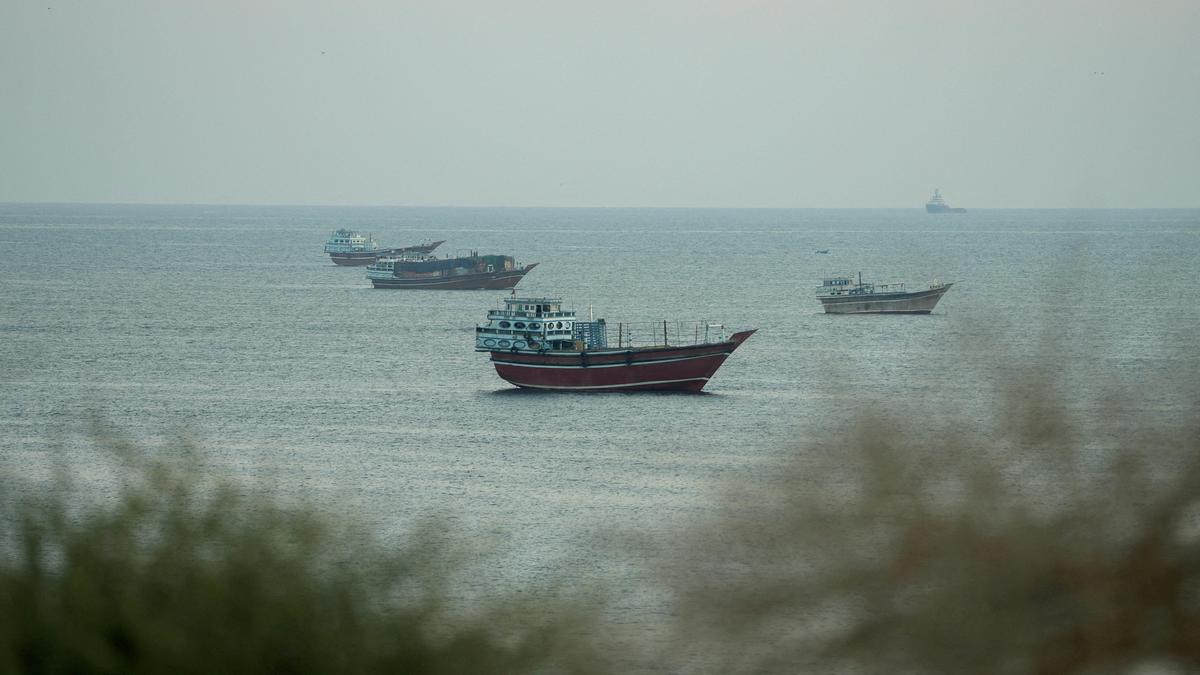
The Strait of Hormuz has seen a surge in smaller tankers handling oil shipments as larger vessels have fallen victim to attacks, ensuring a steady flow of crude oil. Vortexa data shows that shipments by Suezmaxes and Aframax tankers have increased in the last two months, peaking at over 1 million barrels a day in October. This helped push total daily exports to 10.3 million barrels, the highest since the conflict began.
Despite being smaller, these vessels carry less crude but offer lower freight costs compared to supertankers, which are 72% of the vessels using Hormuz. Despite their smaller capacity, Suezmaxes and Aframax tankers have been crucial in loading cargoes from Iraq, Kuwait, and Qatar, either transferring the oil to other ships or sailing directly to ports like those in India.
The Lucia A and the Ture are two such vessels that have been instrumental in this trade, with the former already completing four cargoes from Iraq and the latter its third Iraqi shipment. However, the sustainability of this trade route remains uncertain due to the ongoing conflict and the volatile nature of military tensions in the region.
Written by urgent.news from Hindu BusinessLine's reporting — not their text. Machine-written — may contain errors; check the original before relying on it.