Scotch whisky casks: Inside the overlooked business
Whisky Business: City AM’s monthly look at the world of whisky. Join The Scotch Malt Whisky Society for £100 and your first bottle, worth £70, is on us. Get VIP access to whiskies from more than 150 distilleries, over 20 new single cask malts every month and the Society’s Members’ Rooms in Edinburgh, London and [...]
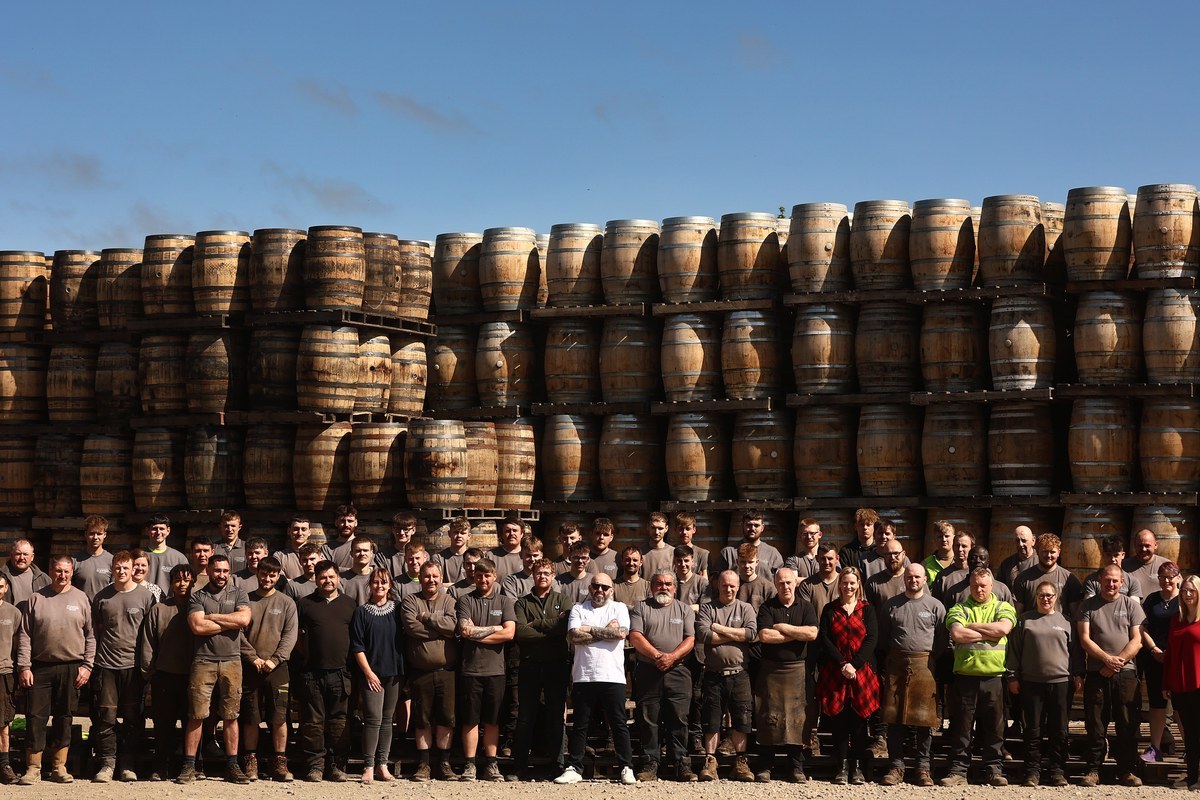
Every year, roughly 1 million whisky casks enter or leave bonded warehouses across Scotland, catering to the nation's demand for Scotch whisky. These casks, primarily made of ex-bourbon and ex-sherry oak, undergo multiple fillings before reaching the end of their lifespan. The scarcity and labor-intensive process of crafting virgin oak casks lead many distillers to prefer used casks, which impart a distinct woody flavor.
GlenAllachie, a distillery under the expert guidance of Billy Walker, is known for its use of virgin Scottish oak casks. However, these casks are scarce and expensive, costing significantly more than imported barrels due to the lengthy seasoning process. A whisky cask's refill potential typically ranges from three to four times before the wood depletes its flavor-enhancing properties.
The first fill offers the highest concentration of wood sugars, tannins, and flavor compounds, while subsequent fills provide a subtler influence.
The lifespan of a whisky cask is influenced by various factors, including the distillery's wood policy, which varies across Scotland. Although there is no definitive formula for a cask's working life, rejuvenation can extend its usability by replacing damaged staves, resetting hoops, and re-charring the barrel. Some distilleries, such as Nc’nean, specialize in rejuvenated casks, using STR red wine casks for their signature expressions.
The global cask industry is dominated by a few major players, including the US group Independent Stave Company and the French giant François Frères. However, niche cooperages have emerged to serve small-to-medium distillers and independent bottlers. These cooperages constantly experiment with new techniques to extend the life of the wood and introduce innovative approaches to cask management.
Coopers, skilled craftsmen who dedicate four years to mastering their trade, play a crucial role in the cask-making process. Handling casks of various sizes, they use traditional hand tools and techniques that date back to ancient Egypt. With a growing workforce of around 100 coopers and a robust pipeline of apprentices, the industry relies heavily on the expertise of these artisans, whose work often goes unnoticed but is essential to the whisky-making process.
Written by urgent.news from City AM's reporting — not their text. Machine-written — may contain errors; check the original before relying on it.