Scientists create the first whole-body single-cell atlas of an adult vertebrate
Researchers mapped gene activity across the entire body of a tiny fish, creating a resource for studying brain regeneration, cellular diversity, and tissue function.
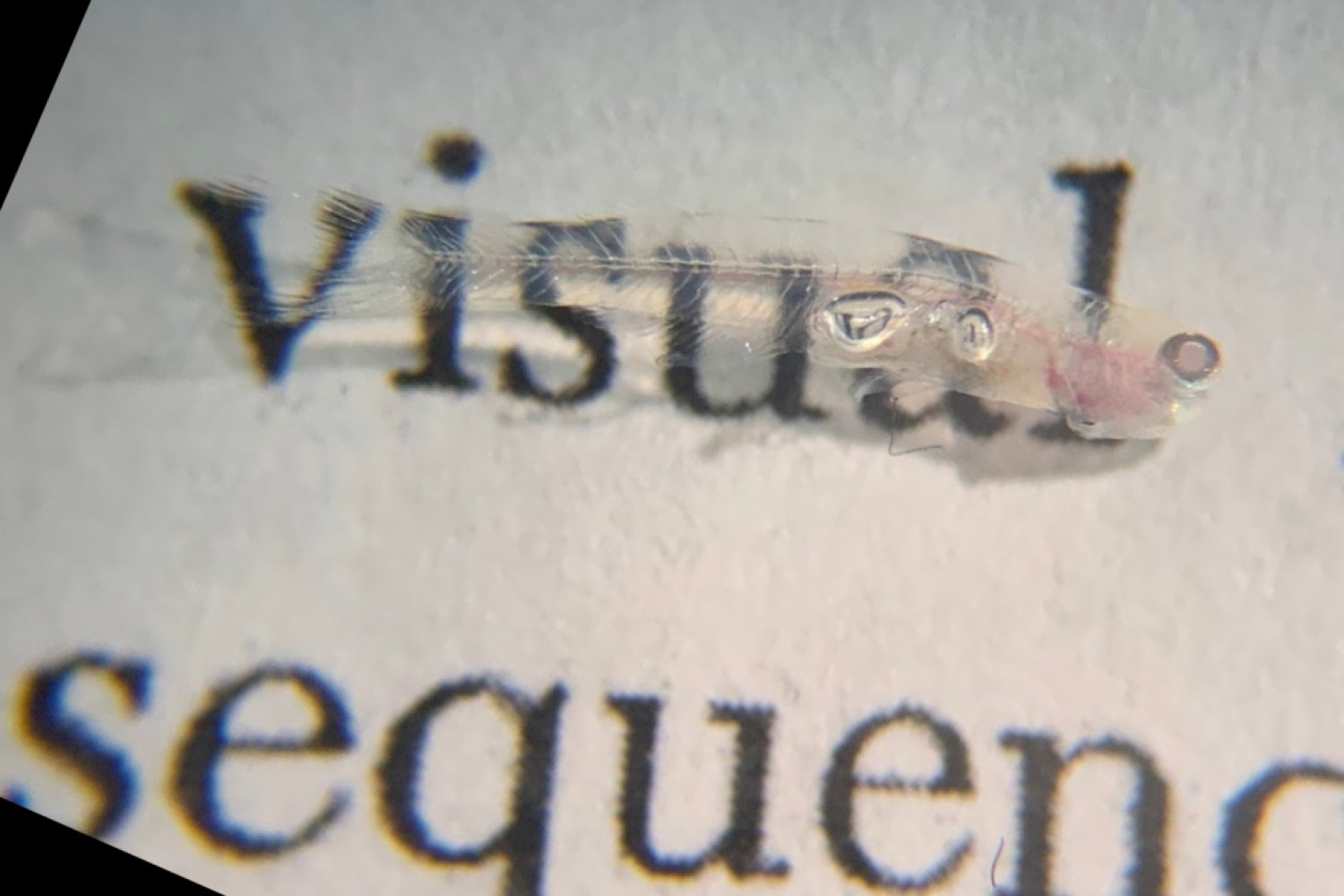
Scientists have created the first comprehensive map of cell types and gene activity across an adult vertebrate, the transparent fish Danionella cerebrum. This rare fish, which allows its brain to be visible through the top of its head, has drawn considerable interest due to its unique biology. Led by researchers at MIT, the Whitehead Institute for Biomedical Research, and Charité–Universitätsmedizin Berlin, the team successfully profiled more than 600,000 cells from various tissues to generate a whole-body single-cell transcriptome atlas.
This atlas provides a molecular reference for the diverse cell types found throughout Danionella, showcasing patterns of gene activity that differentiate them and their spatial locations within the body. The atlas also enables researchers to explore how injury, aging, drugs, or other changes impact cells across the whole animal.
By utilizing Danionella's small size and transparent body, which are already well-suited for studying nervous system regeneration, and its close genetic similarities to zebra fish, the researchers overcame the technical challenges of profiling cell diversity in larger vertebrates. The atlas reveals intriguing patterns, such as similarities in gene activity among neurons from the same brain region, even when they use different neurotransmitters.
Additionally, it uncovers how adult cells retain region-specific activity of developmental genes, potentially helping tissues maintain or rebuild appropriate structures. The atlas serves as a valuable resource for studying Danionella's remarkable regenerative abilities and could lead to new scientific discoveries in various fields, including genomics, regenerative medicine, and neuroscience.
Written by urgent.news from MIT News Research's reporting — not their text. Machine-written — may contain errors; check the original before relying on it.


