Samsung Says Neocloud Debt Won’t Threaten AI Growth
Samsung Electronics has drawn a line against concerns that the excessive debt of neocloud companies could threaten the growth of the overall artificial intelligence (AI) industry. The company determined that the neocloud market accounts for a limited share of the total AI market, and the current exp
Samsung Electronics has dispelled fears that the mounting debt of neocloud firms could impede the overall growth of the artificial intelligence (AI) sector. The company highlighted that the neocloud market constitutes merely about 8% of the total AI market, and the present surge in AI investments is grounded in real industrial requirements rather than speculative ones.
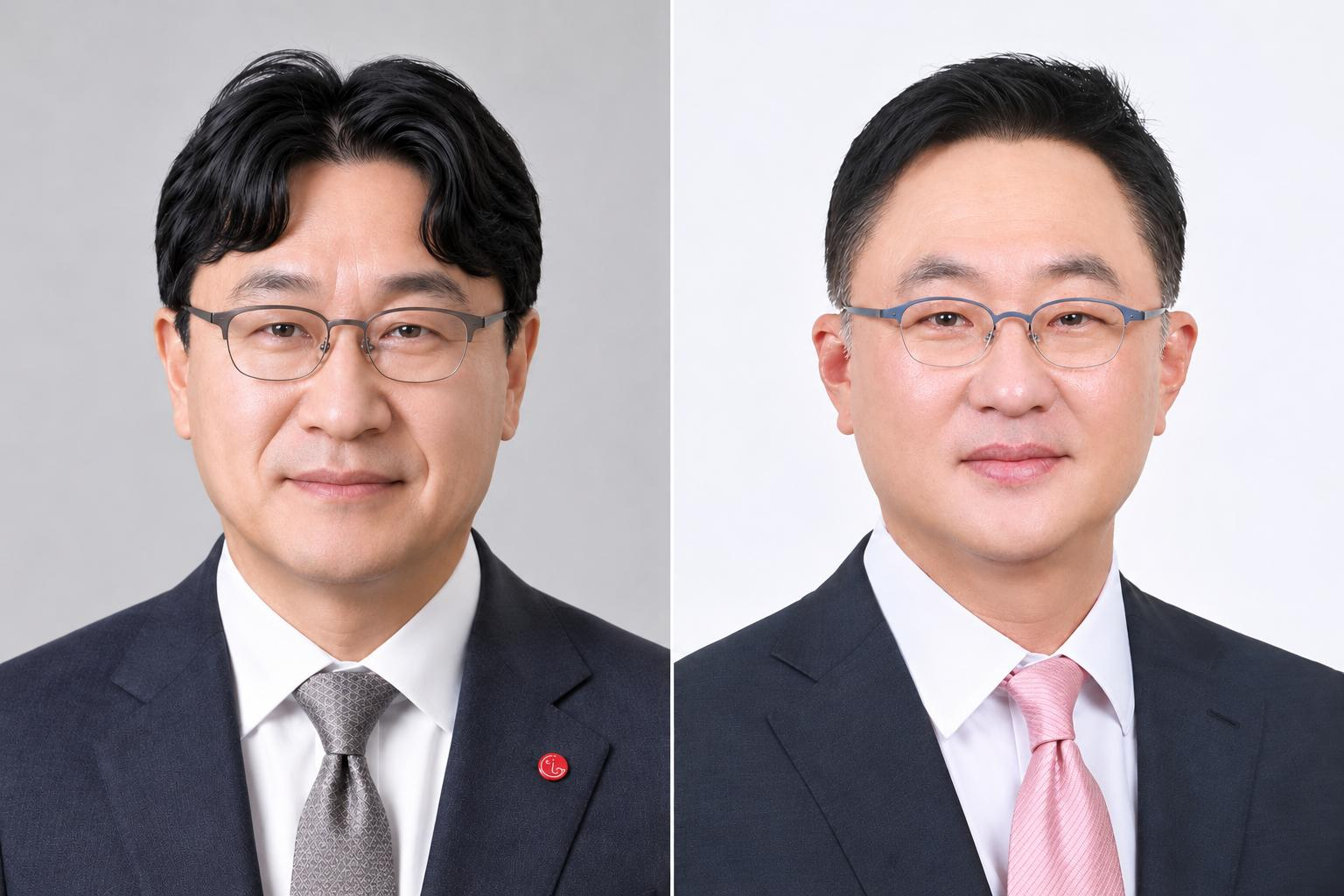
Kim Yong-kwan, President and Head of Corporate Management Strategy at Samsung Electronics’ Device Solutions (DS) Unit, stated this during a Morgan Stanley conference in Singapore on November 18. He affirmed that concerns surrounding neocloud would not pose a substantial threat to the AI industry's growth trajectory. Neocloud entities such as CoreWeave and Nebius have amassed substantial debt to augment their data centers.
Worries that borrowing obligations might escalate if AI demand cools have also led to fluctuations in the stock prices of related firms. The threat of financing burdens following Nvidia Chief Executive Officer (CEO) Jensen Huang's resignation was also cited as a market concern. Kim diagnosed the current AI investment boom as a structural growth trend, not a fleeting cycle.
He noted that with long-term contracts between semiconductor companies and client companies lengthening, predicting supply and demand has become more attainable. This situation differs from the semiconductor industry's past cycles, where speculative investments led to surplus production. Kim reaffirmed the shareholder return policy, stating that the company will continue utilizing the remaining shareholder return resources for dividends and significant share repurchases and cancellations.
Written by urgent.news from BusinessKorea's reporting — not their text. Machine-written — may contain errors; check the original before relying on it.