Oil eases, gas tightens: an energy market moving at two speeds
Oil heads for surplus as Gulf supply recovers, but European gas is tight, China’s teapot refiners are squeezed and OPEC+ faces a 2027 test.
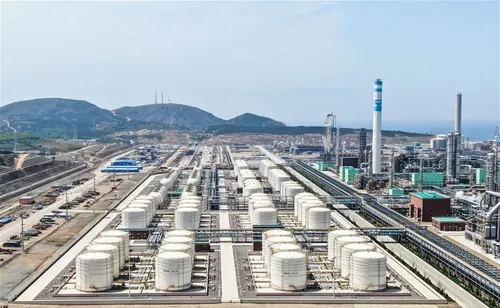
Since the conflict in Iran began nearly nine months ago, the energy market has been experiencing two distinct trends. Crude oil is gradually moving towards surplus as Gulf exports recover, while European gas prices have skyrocketed, more than doubling pre-conflict levels as winter approaches. The International Energy Agency's November report highlights this imbalance, noting that global supply has now exceeded demand for the first time since the war started.
Global production rose 2.3 million barrels per day in October, thanks to Gulf exports, but demand is expected to decline by 2.7 million barrels per day this year, eventually rebounding by 2 million barrels per day in 2027. High fuel prices and disrupted shipments continue to suppress consumption. The agency predicts a surplus in the fourth quarter and an even larger surplus next year.
However, prices are more influenced by risk than scarcity. Brent crude topped $114 in April when the Strait of Hormuz was effectively blocked, then fell to around $72 in late June, its pre-war level, as ships resumed their routes. The US naval blockade on Iranian ports in July pushed prices back up to above $90. Even though shipping through Hormuz has largely returned to normal, tanker attacks keep traders wary, keeping prices elevated.
The most significant strain is seen further down the line, particularly in China's independent refiners. The US blockade has removed over 1 million barrels per day of discounted Iranian crude, which sustained these "teapots," making up nearly 30% of China's refining sector. Replacements from Iraq, Angola, Brazil, and others carry premiums of $6 to $20 per barrel.
Shandong, China's teapot heartland, has seen utilization drop from 65% to 75% in 2020-21 to 54.7% in the week ending November 12. Analysts expect most refineries to survive but at reduced output rather than closing, but fuel-focused plants, which cannot export products and face capped domestic prices, will struggle more than those with specialty chemicals.
China's crude imports fell 15.1% in the first ten months of the year. Gas, however, is the sector where winter risk is the most acute. The European benchmark, TTF, briefly hit €100 per megawatt-hour on October 28 and was near €89 by November 12, still more than double its pre-conflict level. European storage was about 71% full in mid-November, a record low for the date, compared to a five-year seasonal average of closer to 90%.
ENTSOG, the network operators' body, has warned that stocks could finish the winter well below 30% in adverse conditions. OPEC+ faces a tougher decision ahead. After leaving December targets unchanged on November 1, a ministerial meeting on November 29 will decide the 2027 framework. One analyst from Rystad calls that meeting the real test, as the December hold was easy.
The group still has about 2 million barrels per day of additional cuts through the end of 2026 and has lost the United Arab Emirates, which left OPEC in May. If the IEA's forecasted 2027 surplus materializes, balancing restraint against market share will test the alliance's unity. For energy buyers and industrial users, the advice is to prepare for two different risks.
Oil provides a growing cushion, but its price remains dependent on Gulf events, and refiners without access to cheap crude face a long adjustment period. Gas, however, offers no such cushion this winter. Three key indicators will show which way the balance tilts: the security of shipping through Hormuz, OPEC+'s 2027 decisions, and the speed at which European storage depletes in January.
Ultimately, energy security is now judged not by headline supply but by logistics: who can move, store, and refine products, and at what cost.
Written by urgent.news from IOL's reporting — not their text. Machine-written — may contain errors; check the original before relying on it.