MONETARY POLICY: SA Reserve Bank holds rates steady at year-end, but inflation spectre lingers
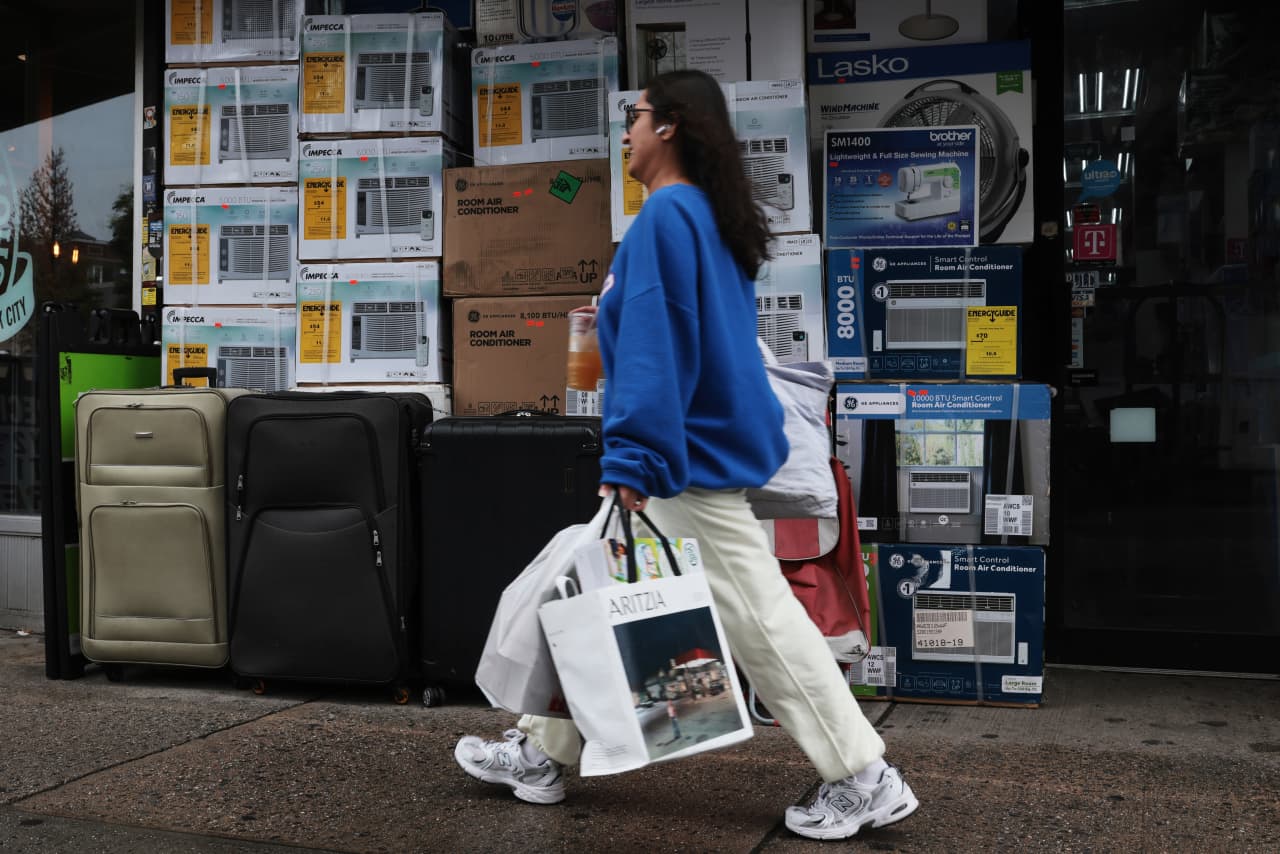
The SA Reserve Bank has held the repo rate steady, but inflation is making it sweat, and it will not hesitate to reach for the aircon remote when it deems it necessary.
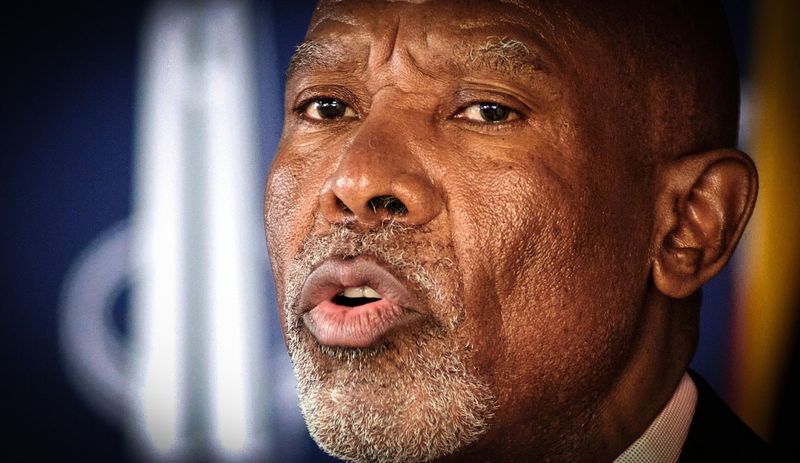
The South African Reserve Bank (SARB) has maintained the repo rate at 7.25% at the end of the year, with inflation being the main concern. Governor Lesetja Kganyago announced that the Monetary Policy Committee (MPC) decided to leave the rate unchanged, after four members voted for no change and three supported an increase of 25 basis points.
Kganyago expressed that they decided to pause for now, but would not hesitate to raise rates if necessary. The decision was influenced by the same factors, with the committee divided on the pace of action.
Most economists predicted a hold on rates, as the decision was largely anticipated. However, the situation is complicated by rising inflation, particularly at petrol and diesel pumps, following the US-Iran war. The typically hawkish MPC has raised interest rates twice in 2026 to keep inflation in check, amid global trade disruptions and rising fuel prices. The MPC compares its strategy to "firefighting" before inflation crosses the tolerance band.
Inflation data released on Wednesday showed a 5.2% increase on-year in October, which is the highest since the Middle East conflict started and the highest since May 2024. Core CPI, excluding volatile items, also rose 4.2% in November compared to the previous month, raising concerns for the MPC. Food price inflation is considered contained, mainly due to cereals, which remained down after a good harvest.
However, the MPC expects higher agricultural prices overseas, especially due to El Niño effects, to trickle down domestically.
The growth outlook for South Africa is modest, with retail sales rising 2.4% on-year in September, slower than the previous month. The MPC expects growth to rise to about 2% from 1.1% in the current period, but acknowledges that fixed investment in the country is too low, at about 13% of output – one of the lowest rates globally.
Written by urgent.news from Daily Maverick's reporting — not their text. Machine-written — may contain errors; check the original before relying on it.