Metall- und Elektroindustrie: IG Metall lässt ganztägige Warnstreiks rollen
BMW, Audi, Werften und Zulieferer: In ganz Deutschland sollen Betriebe einen Tag lang stillstehen. Warum die IG Metall gerade jetzt zu einer bislang seltenen Streikform greift.
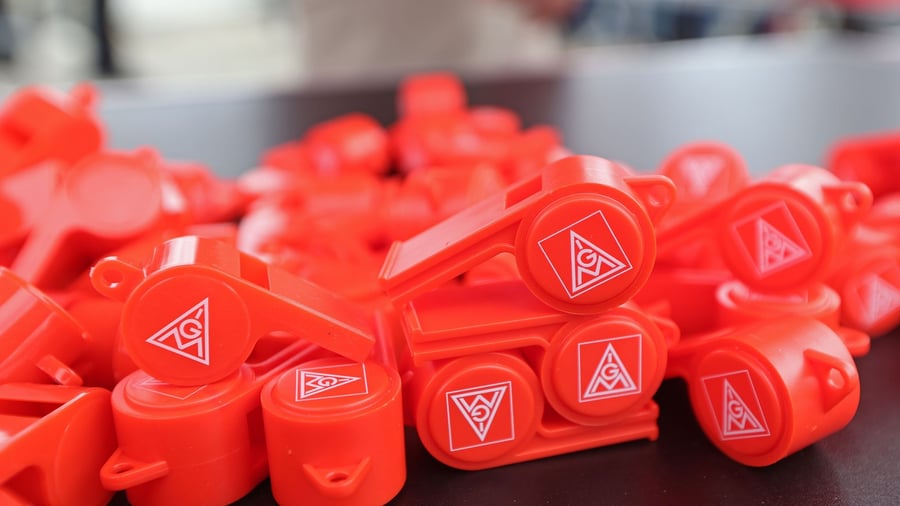
The IG Metall trade union has initiated full-day strike actions across the German metal and electronics industry, heightening the pressure in stalled collective bargaining negotiations. Thousands of employees in factories nationwide were called to stop working for an entire day on Friday, including shipyards in the north, suppliers in Baden-Württemberg, and car plants operated by BMW and Audi in Bavaria.
Some strikes had already begun on Thursday. Further actions are planned for the start of the following week, following internal union votes. This marks the first time in eight years that IG Metall has employed 24-hour strikes. Unlike brief warning strikes, the union pays strike pay to its members. Employers responded with strong criticism, stating that affected companies suffered significant losses in an already tight economic climate.
Jobs and entire sites could be at risk, they said. Arndt G. Kirchhoff, president of the NRW employers' association, emphasized intensive talks about possible agreements at workplace level to safeguard investments, innovation, locations, and employment. While all parties agreed on general objectives, he insisted the escalation was excessive, disproportionate, and not bringing them closer to a solution.
The fourth negotiation round has not yet been scheduled nationwide, with 3.7 million men and women under the terms of the collective agreement working across key industries such as automotive, machinery, electronics, and metal production. The third round of talks failed to make progress, and dates for the fourth round have not been set.
IG Metall is seeking a 5 percent wage increase over a 12-month period. Employers have offered over 26 months of lump-sum payments and a 1.3 percent step increase in 2028. They also discussed possible temporary deviations to facilitate investments or job security. Employers' associations have justified the offer, below the general price increase, as a high cost burden and warned of a potential loss of 100,000 jobs if conditions remain unfavorable.
Written by urgent.news from Handelsblatt's reporting — not their text. Machine-written — may contain errors; check the original before relying on it.
This story
This is one outlet's version. Read the fullest account.