MALNUTRITION OP-ED: SA needs these policies in the mission to end stunting
South Africa is on a mission to end stunting, and the Department of Agriculture is a key player in delivering that plan. It’s one of several departments on a task team, led by the Presidency, working to turn that commitment into action.
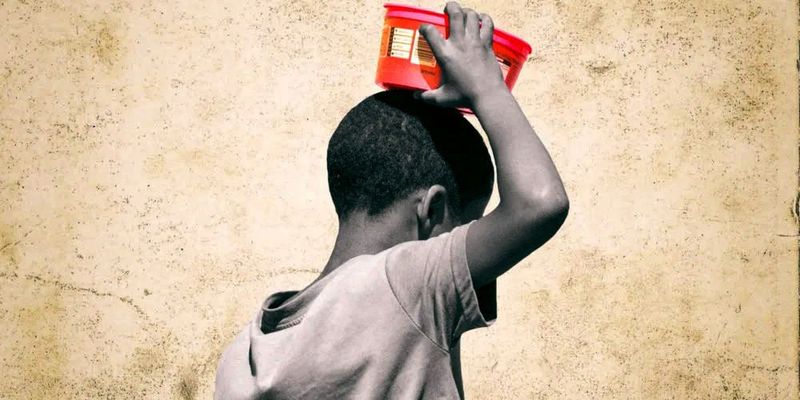
South Africa is striving to eliminate stunting, with the Department of Agriculture playing a crucial role in this nationwide effort. Over one third of children under five in the country suffer from stunting, a condition caused by chronic malnutrition and leading to poor cognitive development, reduced school performance, and increased risk of chronic diseases later in life. Stunting places additional burdens on the public healthcare system, making it a critical issue for the nation to address.
Various departments involved in the mission to end stunting have largely overlooked their role in solving this problem. Nonetheless, interventions have been implemented through clinics providing antenatal care and breastfeeding support, municipalities expanding access to clean water and sanitation, and income support via the Child Support Grant.
In addition to these, preventing stunting should involve encouraging the birth of healthier children, promoting the consumption of protein-rich foods, and empowering vulnerable communities to cultivate their own food.
Supporting smallholder and subsistence farmers is a key aspect of this mission, rather than merely providing resources via the Department of Agriculture's current plans. It entails improving the availability of nutritious food for children by promoting diverse and indigenous crops, strengthening local food markets, and linking agricultural programs for smallholders to the nutritional needs of pregnant women and young children.
Access to seeds is a critical factor, as nutrient-dense crops like traditional leafy vegetables, beans, cowpeas, and sorghum are underutilized due to changing dietary habits and limited seed availability.
The government must acknowledge farmer-led seed systems as vital food-system infrastructure, recognizing smallholder farmers as custodians and innovators alongside the commercial seed sector. Public investment should thus support local seed multiplication, preservation of indigenous crops, and farmer-led breeding, along with agricultural research.
Moreover, smallholder production targets should be set based on nutritional value rather than quantity, and their progress should be regularly monitored and reported to Parliament.
An additional budget of R1.5 billion has been allocated to hire and train new agricultural extension officers over the next three years. These officers will assist smallholder farmers in cultivating more fresh produce in low-income and rural communities and establish connections with early childhood development centres and local markets.
To achieve this effectively, they must be equipped with the necessary knowledge and resources to train smallholder farmers in agroecological practices, which are cost-effective and environmentally friendly.
Written by urgent.news from Daily Maverick's reporting — not their text. Machine-written — may contain errors; check the original before relying on it.