Loss of Angelman-linked UBE3A gene triggers stress response in neurons
A failure to break down asparagine synthetase ultimately leads to stunted neuronal development.
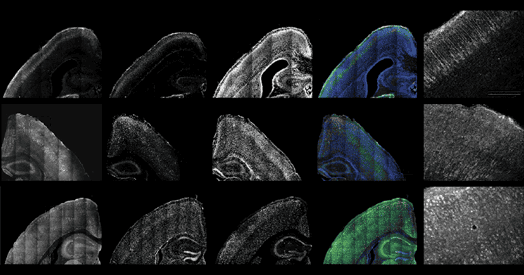
The loss of the Angelman-linked UBE3A gene leads to a stress response in neurons, according to recent research. UBE3A, which codes for an enzyme that tags proteins for degradation, ultimately influences which proteins are broken down. The study found that a failure to break down asparagine synthetase (ASNS), a specific substrate of UBE3A, activates stress pathways and reduces protein synthesis in neurons.
This mechanism contributes to the symptoms of Angelman syndrome, which includes epilepsy, developmental delays, intellectual disabilities, and in some cases, autism. The research, published in Nature, suggests that targeting ASNS might be a more feasible approach for intervention than attempting to directly replace the UBE3A gene through gene therapy.
The discovery of ASNS's importance in Angelman syndrome symptoms, such as reduced brain mass and sparser neuronal packing, adds a new angle for potential therapeutic strategies. However, the complex pathways downstream of UBE3A loss and the limited improvement in certain Angelman syndrome symptoms when ASNS is knocked out indicate that a single-target approach may not fully resolve the condition.
Written by urgent.news from The Transmitter's reporting — not their text. Machine-written — may contain errors; check the original before relying on it.