Indonesian fire emissions third highest on record this year, says EU’s Copernicus
The Indonesian archipelago has suffered its worst wildfire season in years, driven by excessively dry super-El Niño weather conditions and warmer temperatures, as well as extensive land clearing.
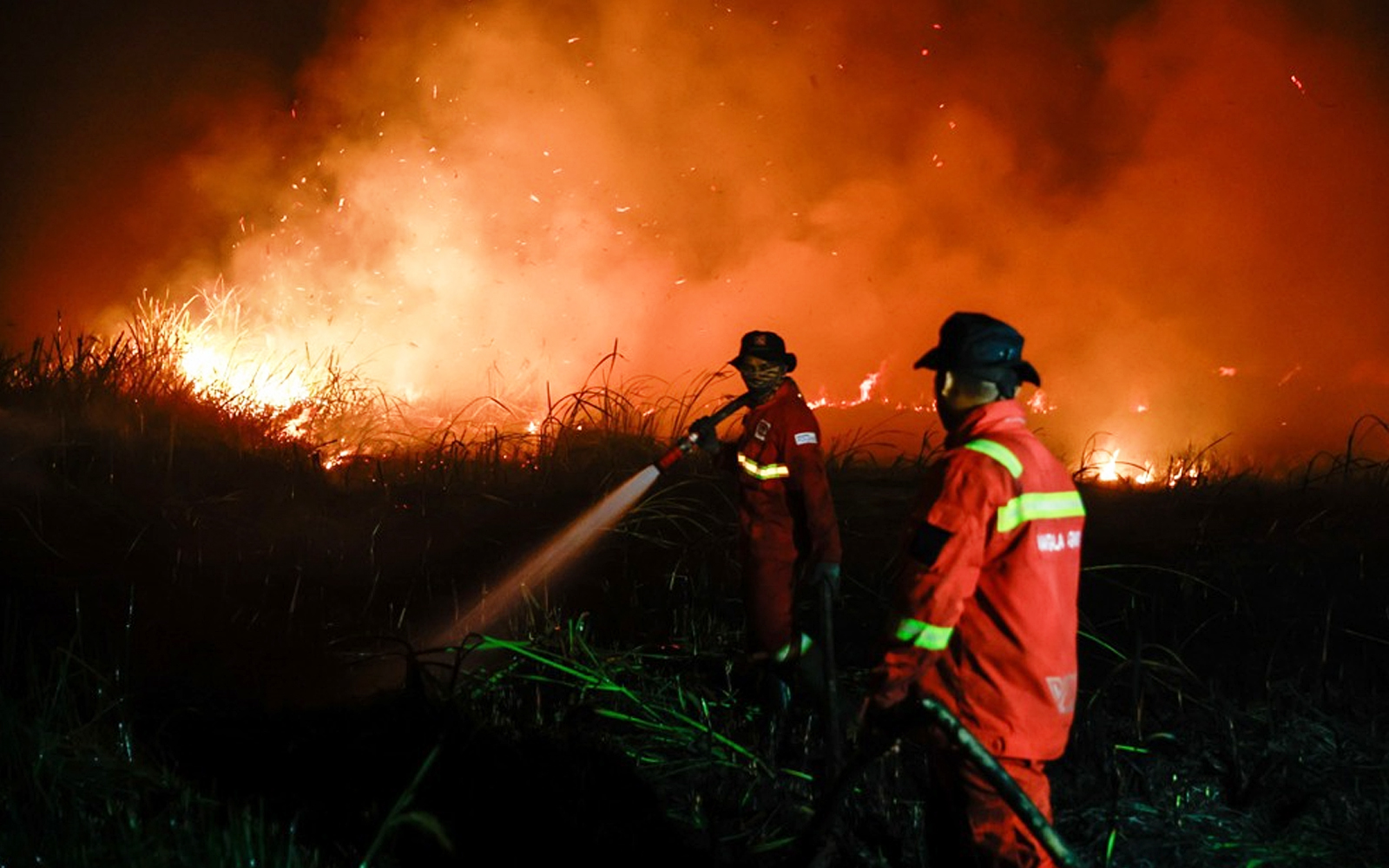
In a year marked by extreme weather conditions, Indonesia has experienced its most devastating wildfire season in recent memory, according to the European Union's Copernicus Atmosphere Monitoring Service (CAMS). The fires have emitted nearly 200 million metric tons of carbon emissions by November 15th, ranking as the third-highest annual volume on record. This is significantly higher than the 2012-2025 average of 1.9% of Indonesia's land area damaged by fire, which reached nearly 8.9 million hectares this year.
The archipelago's wildfires have been driven by a combination of factors, including excessively dry super-El Niño weather conditions, warmer temperatures, and extensive land clearing. While these factors contributed to the severity of the fires, experts have emphasized that climate change has also played a significant role in driving up temperatures and exacerbating the situation.
Poor land management practices, such as excessive draining of peatlands for palm oil or pulpwood plantations, have made Indonesia more vulnerable to fire.
Despite the severity of the fires, the emissions generated in 2025 were slightly lower than in 2006, another El Niño year. Nonetheless, the impact of Indonesia's wildfires on the country's total carbon footprint and the global climate remains substantial.
Written by urgent.news from Free Malaysia Today's reporting — not their text. Machine-written — may contain errors; check the original before relying on it.
This story
This is one outlet's version. Read the fullest account.
- Indonesian fire emissions third highest on record this year, says EU’s Copernicus freemalaysiatoday.com