IEA says $40bn spent on pipelines will not end Gulf’s Strait of Hormuz dependence
Gulf oil exports would remain vulnerable to disruption even if producers built an estimated $40 billion of pipelines to bypass the Strait of Hormuz as the Iran war drags on , the International Energy Agency said. About 7 million barrels a day of new pipeline capacity is under construction or being considered across the region, which could add about $2 to every barrel of oil exported from the…
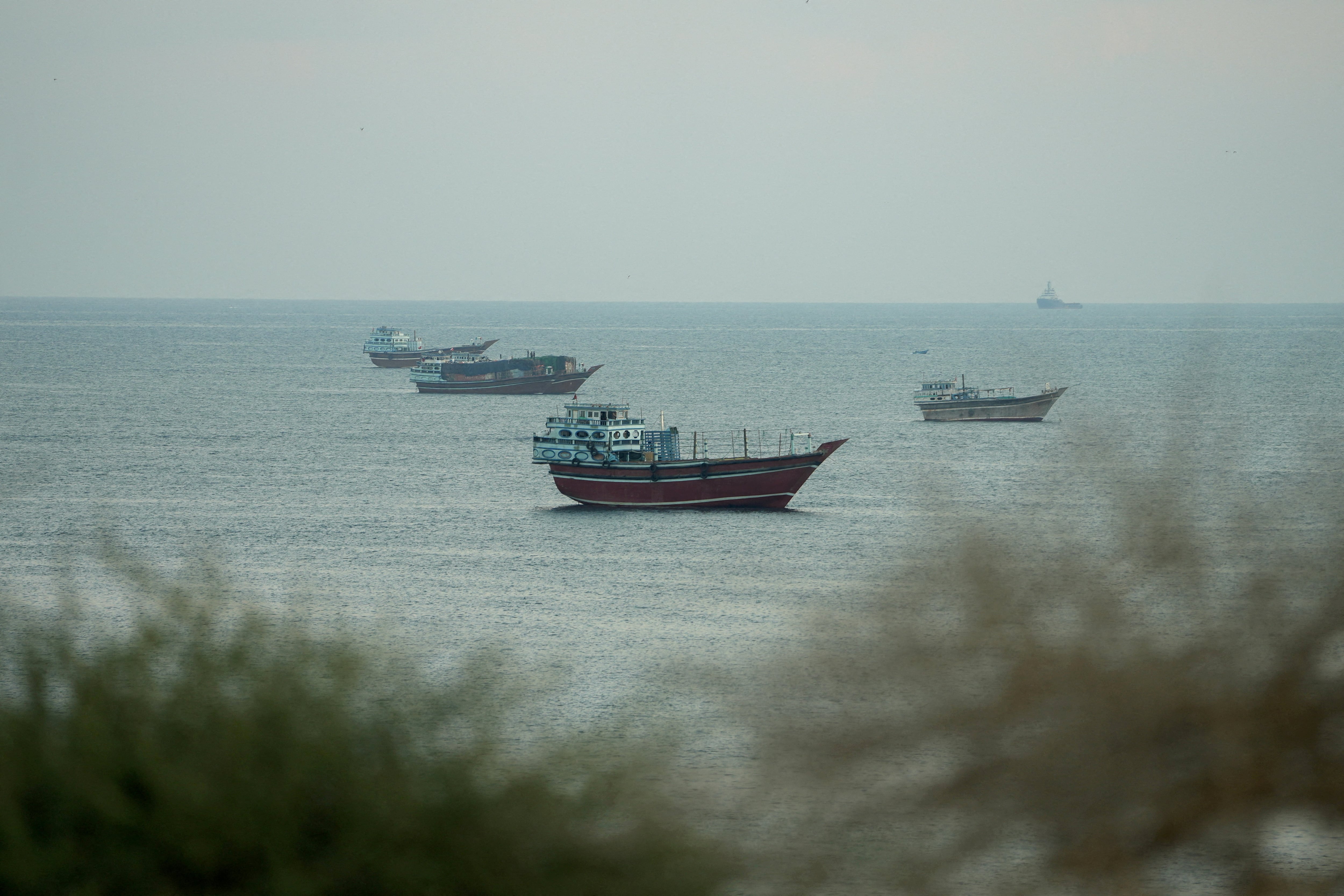
The International Energy Agency warns that an estimated $40 billion in pipeline projects may not be sufficient to eliminate the Gulf's reliance on the Strait of Hormuz, even amid ongoing Iran conflicts. The agency forecasts about $2 added to each barrel of oil exported from the Middle East via these pipelines, which could still result in around 2 million barrels per day passing through Hormuz by 2035, should all projects be completed.
Even in case of reduced demand from importers, roughly 2 million barrels would still traverse the strait. The agency points out, "As already seen in 2026, if the Middle East is unstable, then alternative routes for Gulf exports are likely to be vulnerable too." Iran's ongoing war has led to a significant energy supply shock, reducing oil flows through the strait from approximately 20 million barrels per day to around 3 million barrels between March and May.
The Middle East remains the biggest oil exporter globally. Out of the 2.6 million barrels per day of OPEC's spare capacity, only the UAE's second Habshan-Fujairah pipeline is under construction, adding 1.8 million barrels per day. Saudi Arabia's East-West pipeline expansion and Iraqi routes remain unfinished. Most OPEC's 2.6 million barrels per day of spare capacity outside the UAE is transported through the Strait of Hormuz, hindering their ability to reach international markets.
Liquefied natural gas from Qatar and the UAE faces no viable alternative route around the strait. About 110 billion cubic meters of gas passed through the Strait of Hormuz in 2022, primarily from Qatar. Iranian attacks on the Ras Laffan complex have caused a loss of over 17 billion cubic meters of annual capacity, which will take around three years to repair.
Qatar aims to double its LNG export capacity by 2035, with 87 billion cubic meters of new capacity coming online by the early 2030s, despite a one-year delay. UAE, which left OPEC in May, is expected to pump 5.8 million barrels per day by 2035, up from 4.4 million barrels in 2025 and an additional 1.4 million barrels more than the agency predicted a year ago.
Written by urgent.news from The National Business's reporting — not their text. Machine-written — may contain errors; check the original before relying on it.
This story
This is one outlet's version. Read the fullest account.
- Qatar’s LNG supply chain beyond Strait of Hormuz gulf-times.com