I Baked My Way Through <em>The Atlantic</em>’s Archives
I tested six recipes, from 1865 to 2010. Here’s how I fared.
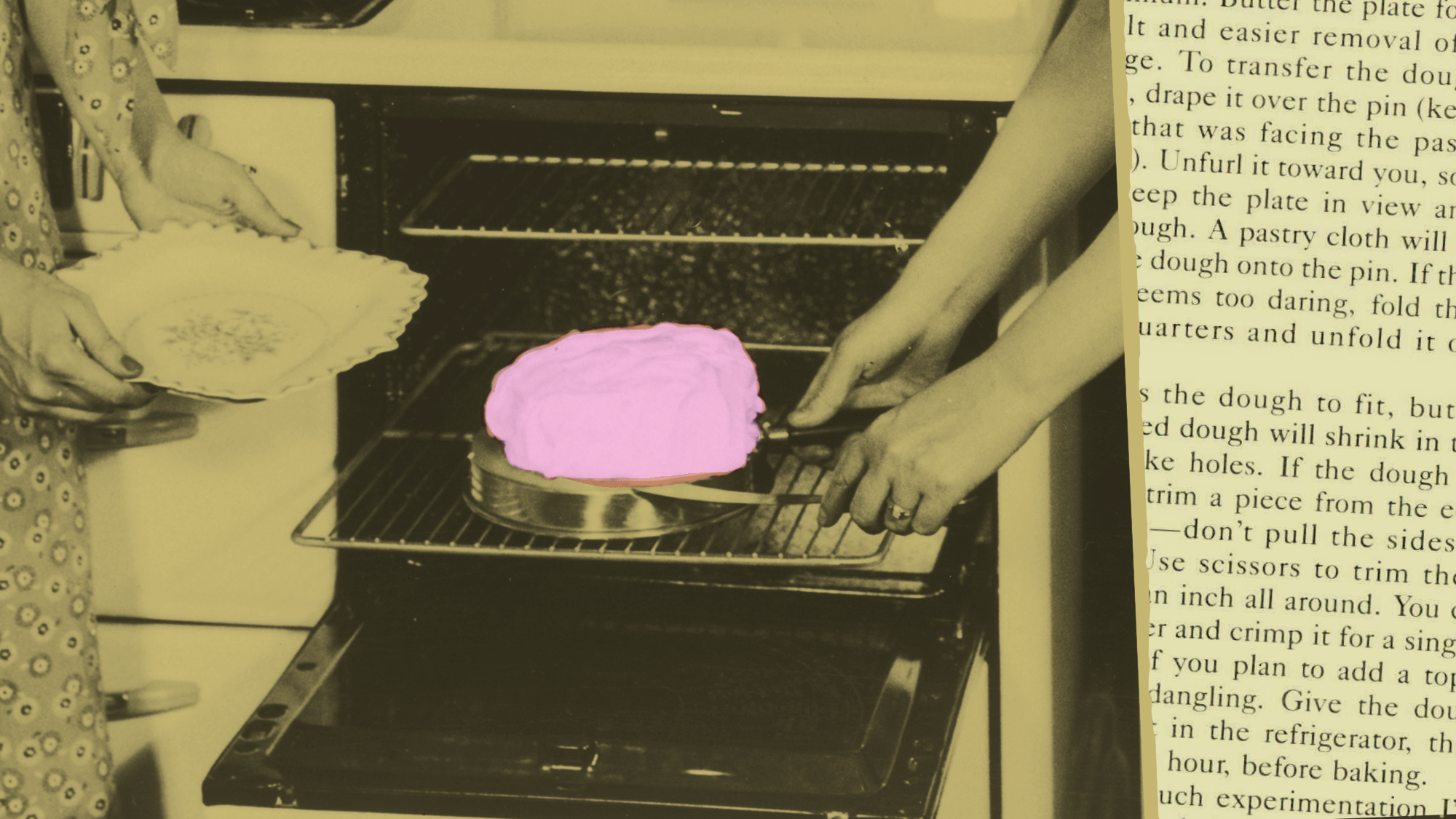
This edition of Time-Travel Thursdays explores The Atlantic's archives to offer context for the present. While recipes are often difficult to follow, the most cherished ones are even harder to decipher. They were typically handwritten and meant for someone with prior knowledge of the dish, such as a grandmother or distant relative. Over time, cooking has evolved from a learned skill passed down through oral tradition to a more precise, written art.
In The Atlantic's archives, the author discovered many such recipes tucked into letters, essays, and memoirs, often presented as stories rather than clear instructions. One such example is C. P. Hawes's 1865 letter to "M.", a newly married woman, who shares her love for cooking and a recipe for bread. However, the recipe is incomplete, with no details on the amount of flour, oven temperature, or baking time.
Historically, recipes were passed down through word of mouth and experience, as most women couldn't read cookbooks. As literacy spread in the 18th century, women began writing down their family recipes to preserve them for future generations. These handwritten notes were intentionally light on instructions, as they relied on the cook's instincts to determine when dishes were ready.
By the early 20th century, written recipes became more elaborate, with cookbooks treated as literary works. The author's own experience baking recipes from The Atlantic's archives highlights the evolution of cooking as technology advanced. Ingredients like butter and eggs, which were seasonal, were often omitted from 19th-century recipes due to the unavailability of these items in winter. As refrigeration became more common in the mid-20th century, recipes became more precise and less reliant on seasonal ingredients.
Despite these changes, the author's baking journey through The Atlantic's archives reveals that the stories behind food remain a constant. Food writers have always sought to share their personal experiences and memories with others, weaving anecdotes into their recipes. This blending of stories and recipes continues in the digital age, with food blogs and videos incorporating personal narratives alongside instructions.
Written by urgent.news from The Atlantic's reporting — not their text. Machine-written — may contain errors; check the original before relying on it.