Homo erectus Thrived in Chinese Rainforest Far Later than Thought
Homo erectus, one of the longest-lived members of the human family tree, may have persisted in the dense tropical forests of southern China until 184,000 years ago, according to two studies published today in the journal Nature. The post Homo erectus Thrived in Chinese Rainforest Far Later than Thought appeared first on Sci.News: Breaking Science News .
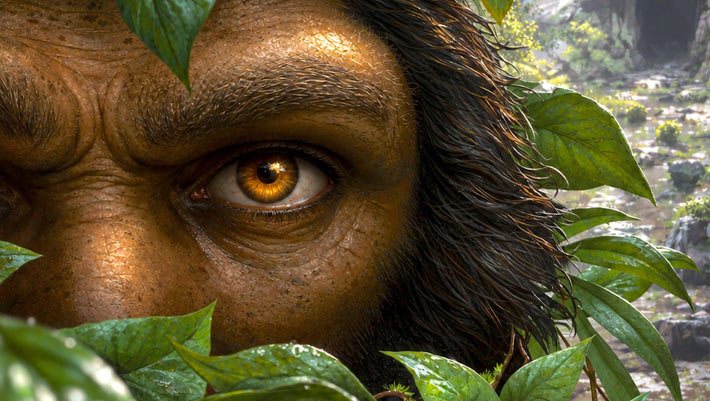
Two studies published in the journal Nature indicate that Homo erectus may have persisted in the dense tropical forests of southern China until 184,000 years ago, according to Sci.News. This finding suggests the species lived in a tropical rainforest environment, an area where the species has not previously been found, according to New Scientist.
Researchers, including scientists from the University of Copenhagen, analyzed nine fossil teeth discovered in two caves in southern China to reach these conclusions, according to Phys.org. These teeth are dated between 324,000 and 184,000 years old. New Scientist notes that this timeline is recent enough for the species to have potentially met later groups such as the Denisovans.
Brief written by urgent.news from Sci.News, Phys.org, New Scientist — 3 reports on this story. Machine-written — may contain errors; check the original before relying on it.
This story
This is one outlet's version. Read the fullest account.
- Homo erectus survived on mainland Asia 215,000 years longer than we thought newscientist.com
- One unusual tooth suggests Homo erectus shared southern China with another human species phys.org
- Ancient fossils reveal Homo erectus survived in China some 200,000 years longer than we thought scientificamerican.com