Health department debt deepens as Gauteng owes suppliers R3.6bn
Gauteng health owes suppliers R3.6 billion in unpaid invoices, contributing to shortages of essential medicines.
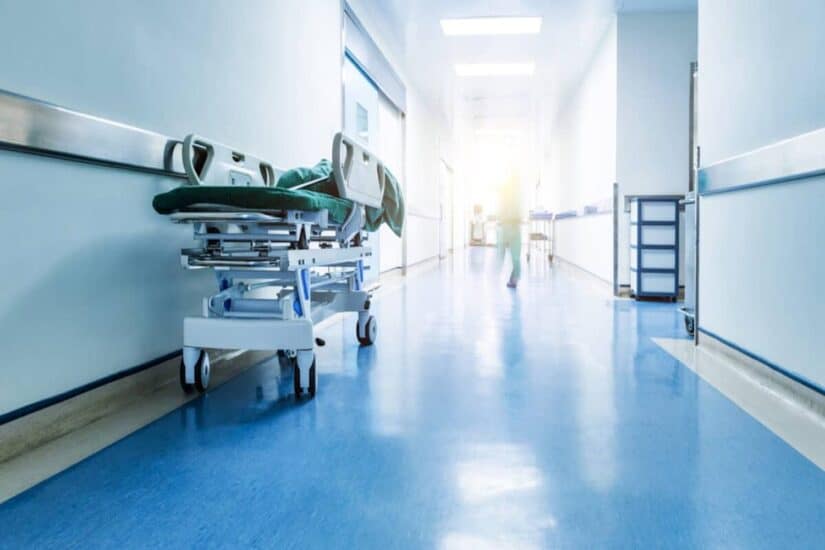
The Gauteng Department of Health has accumulated a debt of R3.6 billion in unpaid invoices to suppliers, exacerbating shortages of essential medicines at public hospitals and clinics. This has led to patients being unable to receive prescribed medication or having to purchase it from private pharmacies. Premier Panyaza Lesufi had previously assured the public that outstanding invoices would be settled by August 25, but DA Gauteng health spokesperson Madeleine Hicklin claims that several suppliers have withheld medicines and services due to unpaid bills.
Hicklin noted that one company ceased supplying bicarbonate of soda to Chris Hani Baragwanath Academic Hospital until part of their bill was paid, while liquid nitrogen for treating basal cell carcinoma was unavailable for months. Hicklin admitted that some suppliers continued providing services out of moral obligation, but these companies were owed millions of rands, with some debts dating back to 2021, 2022, and 2023.
The Treasury has received inquiries from suppliers about unpaid invoices, which are not specifically related to medicine suppliers. The Public Finance Management Act requires departments to settle payments within 30 days of receiving an invoice. The National Treasury instruction also mandates provincial departments to report outstanding invoices over 30 days, along with the reasons for late or non-payment, to their provincial Treasuries.
The Gauteng Department of Health acknowledges that late payments to suppliers are among the factors contributing to medicine shortages nationwide. The national department of health reports that medicine availability is currently at 83.4%, with 184 products on its national medicine early-warning "hotlist," of which 113 are medicines.
Gauteng's medicine availability at hospitals and clinics stands at 88.6% and 86.6%, respectively, compared to national figures of 79.9% for hospitals and 85.7% for clinics. The department is implementing measures to prevent the situation from worsening, such as redistributing available medicines between facilities, sourcing alternative suppliers, and allowing clinically appropriate alternative treatments when necessary.
Gauteng is also relying on alternative procurement processes, such as provincial procurement on quotation, when contracted suppliers cannot deliver. The health department is also relying on Transport Minister Barbara Creecy and Transnet to prioritize containers carrying essential medical supplies.
Written by urgent.news from The Citizen's reporting — not their text. Machine-written — may contain errors; check the original before relying on it.