Google will launch Android app verification requirement globally in January 2027
Google says almost all developers have already gotten on board with verification.

Google announced Android developer verification last year, despite objections from developers and users. The company began blocking unregistered apps' installation in some countries this fall, and the system is set to expand globally. Google plans to roll out the requirement in all regions starting January 2027, urging developers to register their apps soon.
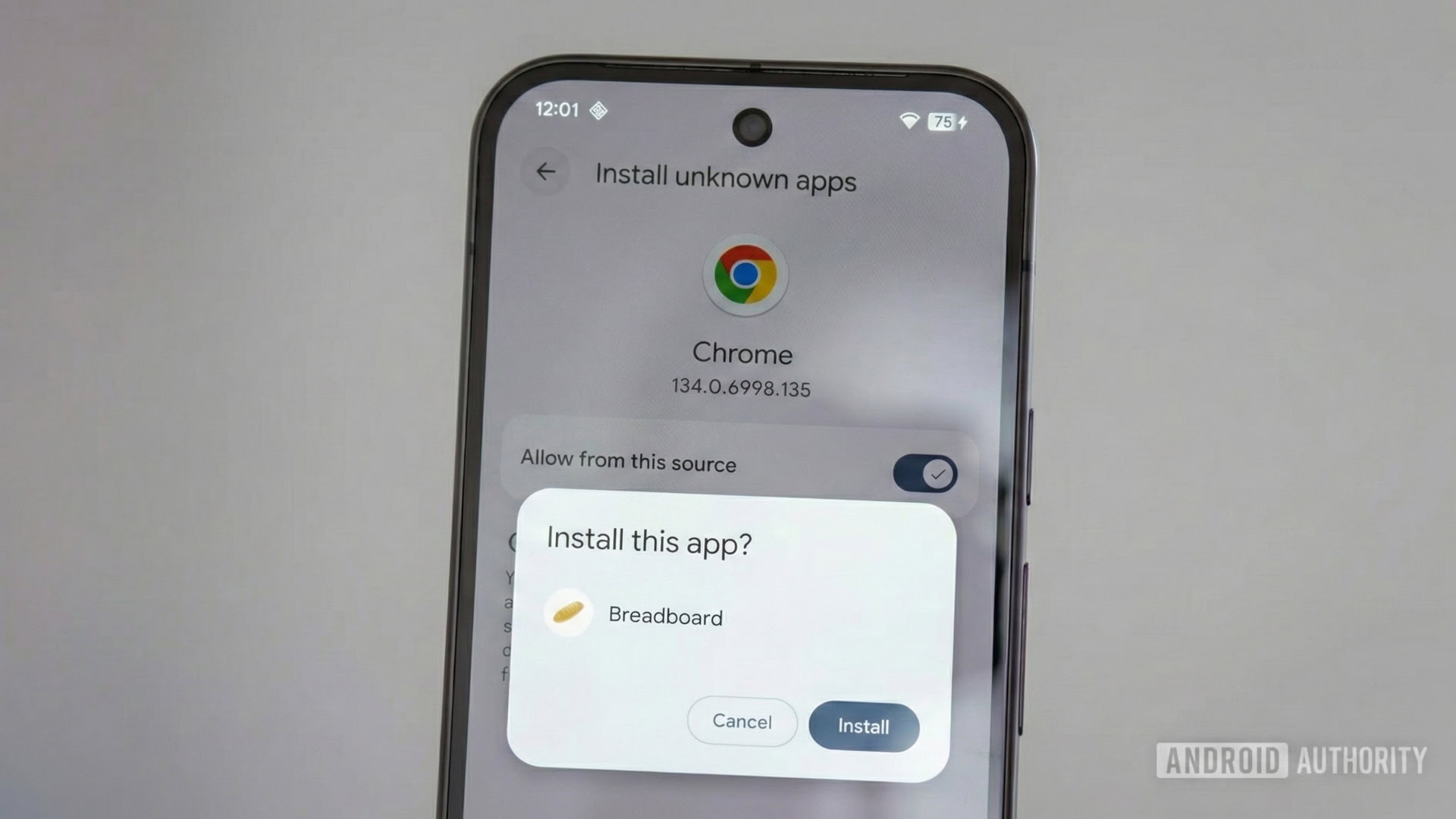
All apps from the Play Store come from verified developers, and the new requirement will extend this to third-party sources. Once verification is live in a region, sideloading apps will be impossible unless the developer has registered with Google, framed as a security measure. Verification requires government identification and a $25 fee, aiming to deter malware and scammy apps.
Google launched verification in Brazil, Indonesia, Singapore, and Thailand in September, and the company is ready to expand further. Despite previous claims of a 2027 global rollout, Google is starting the process in January. The company claims that verification will reach all devices within several months.
Written by urgent.news from Ars Technica's reporting — not their text. Machine-written — may contain errors; check the original before relying on it.
This story
This is one outlet's version. Read the fullest account.