GLP-1 drugs linked to reduced alcohol use and healthier eating in real-world study
Tracking 135 patients across Spain for nearly a year, researchers found that routine treatment with drugs like semaglutide and dulaglutide coincided with lower self-reported alcohol intake and better dietary adherence.
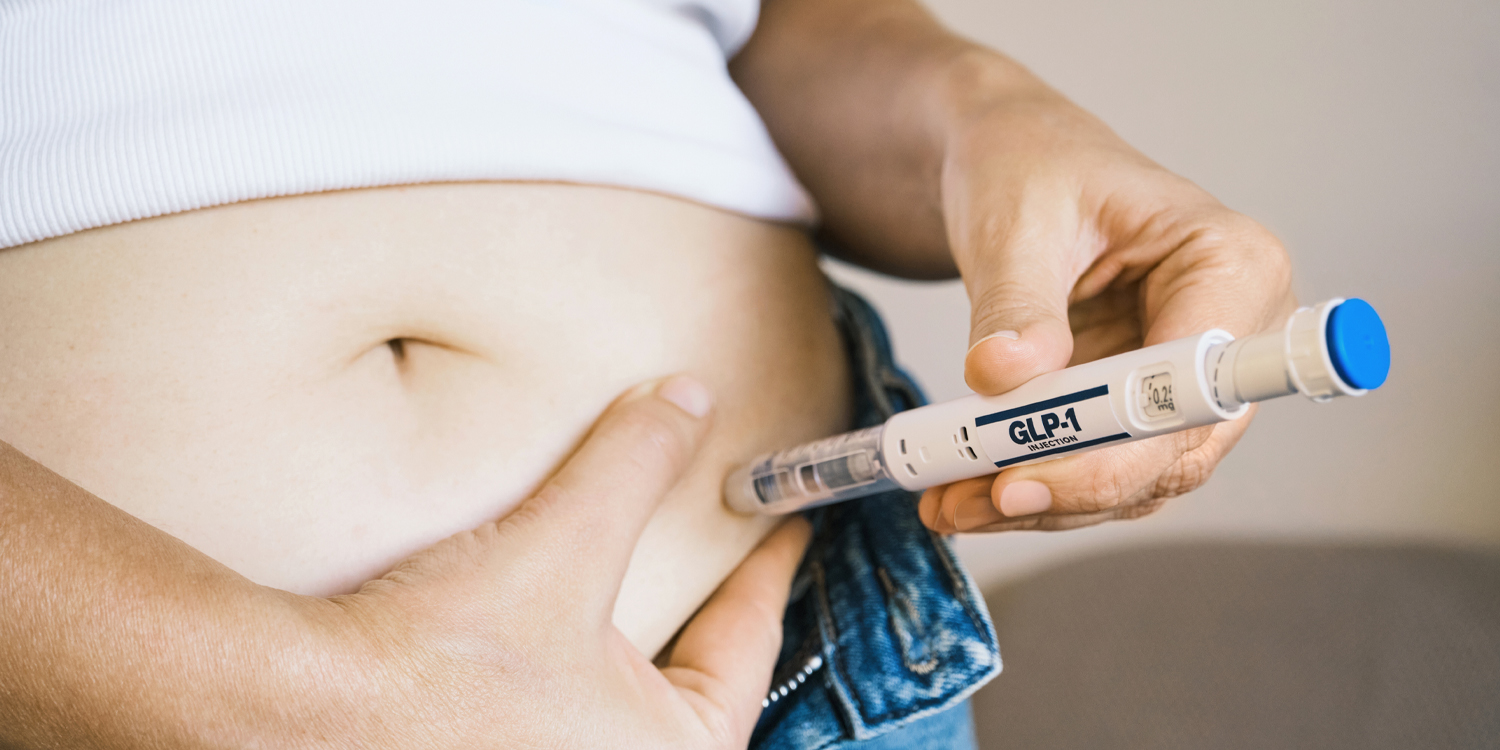
The study published in Addictive Behaviors found that adults taking GLP-1 drugs, commonly used for diabetes and weight-loss, tended to reduce alcohol consumption and adhere to healthier diets over a year. The medications, including semaglutide and dulaglutide, function by stimulating insulin release, slowing digestion, and promoting satiety.
These drugs influence not only metabolic regulation but also brain regions involved in reward and addiction. The research, conducted on 135 patients in Spain with obesity and type 2 diabetes, revealed that 43% experienced adverse reactions, mainly digestive issues. Despite these side effects, 44% of participants who reacted negatively reported cutting back on alcohol during the first three months of treatment.
The findings add to the growing interest in the potential of metabolic drugs to influence everyday habits beyond blood sugar and weight control.
Written by urgent.news from PsyPost's reporting — not their text. Machine-written — may contain errors; check the original before relying on it.