Ghana’s mineral wealth: From extraction to local refining. The 2030 ambition
The manganese mine at Nsuta, in Ghana's Western Region, has been shipping ore since 1916. More than a century later, the rock still leaves the country the way it comes out of the ground: raw, in bulk, bound for someone else's furnaces. President John Mahama wants that to stop. "I say in 2030 there will be no mineral ore leaving Ghana," he said in February. "We are not going to ship manganese ore,…
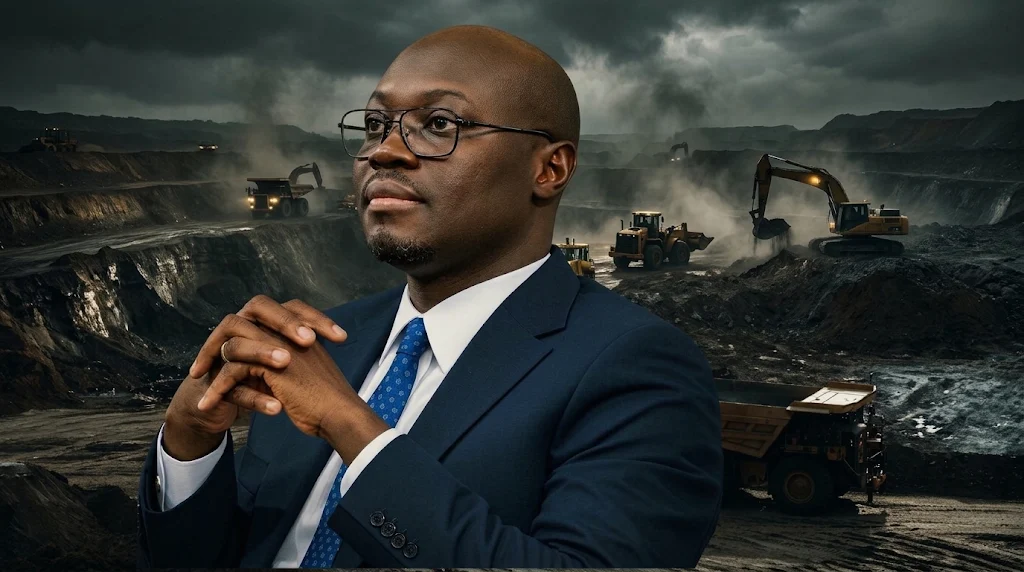
Ghana, a country rich in minerals, is striving to transition from merely exporting raw ores to refining them locally by the year 2030. President John Mahama has set this ambitious goal, hoping to stop the flow of unprocessed minerals out of the country. The president firmly believes that by 2030, no mineral ore, including manganese and bauxite, will be shipped raw from Ghana.
Currently, Ghana only refines a third of the small-scale gold it sells abroad. The remainder is shipped as rough bars of mixed metals, known as doré, which undergo further purification in places like Dubai and Switzerland. This process not only costs Ghana significant amounts of money but also deprives the country of valuable jobs and technological expertise.
The Ghanaian government has now allocated $1.5 billion in the 2027 budget to support mineral processing. Key targets include refining at least 70% of small-scale gold by December 2027, and ensuring 100% of small-scale gold, manganese, and bauxite is refined locally by December 2028. By 2030, the government aims to process half of the country's manganese and bauxite locally, and all of it by 2030.
The focus is currently on gold, with small-scale miners producing about 2.4 million ounces of gold annually. Of these, roughly 2.4 million ounces was refined locally by October 2025, representing about 94.6%. Gold refineries exist in Ghana, with the Gold Coast Refinery and Royal Ghana Gold Refinery capable of handling more than the current production by small-scale miners.
Written by urgent.news from Joy Business's reporting — not their text. Machine-written — may contain errors; check the original before relying on it.