Edelmetall: Gold ist 14 Prozent günstiger als zu Jahresbeginn – sollten Anleger jetzt einsteigen?
Gold wird so preiswert wie zuletzt im September 2025. Eine Analyse kommt zu dem Ergebnis, dass der Boden bald erreicht sein könnte. Die Frage ist, ob eine mögliche Erholung auch langfristig ist.
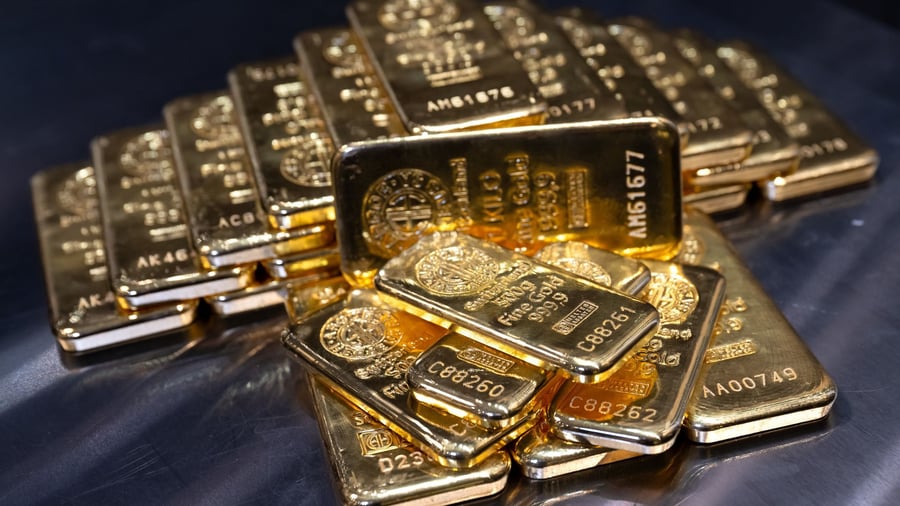
Gold has fallen by 14% since the beginning of the year, with a fine ounce now costing only around $3,700, which is 14% less than at the start of the year – the steepest annual loss in over a decade. The price is nearly a third lower than its record high. The market has changed; the record chase was mainly fueled by the so-called debasement trade, with investors switching from bonds to gold due to mistrust in US financial stability.
While US debts have risen to over $40 trillion, other factors now influence gold prices. In the medium term, analysts from major banks like Goldman Sachs believe the gold price could recover. So is this a good entry opportunity for investors? What currently drives the gold price and whether the ground has been reached. The main reason for the strong drop in gold prices, which has fallen by around ten percent in recent weeks alone, is changed interest rate expectations.
As early as September, the US Federal Reserve had raised interest rates for the first time in three years. A further rate hike is expected at the December meeting. Wednesday evening, Fed Governor Christopher Waller suggested a 50 basis point increase for December, which led to gold falling by another four percent. And now for 2027, traders are expecting further interest rate hikes as US inflation remains stubbornly high.
High interest rates create a poor environment for gold, which does not generate ongoing returns and therefore loses attractiveness compared to other assets like bonds. The fall was also accelerated by selling at overvalued technology stocks, forcing investors to sell gold ETFs and gold forward contracts to quickly gain liquidity.
They had to cover losses from other credit-based securities and provide additional capital. Is the ground reached now? What speaks for it: Both reasons for the falling gold price are short-term in nature. Even if the Fed were to raise interest rates in 2027, it would not change the long-term drivers of gold prices: the increasing indebtedness of industrialized countries, the growing decoupling from the dollar as a reserve and trade currency, and rising geopolitical risks.
So, the current price weakness could be a good entry point, as the bottom may be close, according to an analysis by the World Gold Council (WGC). The leading quantitative analyst at the WGC, Johan Palmberg, has studied the conditions in the past when the gold price recovered from a downtrend. He identified three typical prerequisites, two of which are already met: The gold price is significantly below its long-term trend, and the US dollar has suddenly risen, signaling a potentially temporary gold price weakness.
Only a broader clearing of speculative positions on the futures market remains. The frequently drawn comparison with the gold bear market in 2011 is deemed inappropriate. After gold then rose to a record high in the wake of the financial and euro crisis, it followed a multi-year price decline. A key difference to 2011 are today's real interest rates, i.e. interest rates minus inflation.
They are near zero, "so little room for further declines," writes Palmberg. They have since risen sharply. Today, the dollar has fallen by 18 percent against the dollar since June 2010 and has therefore had room to recover. Today, however, the dollar is overvalued. Another factor is expectations of inflation and geopolitical risks, which are higher than in 2011.
There is another factor: Treasury bonds once provided investors with reliable protection in phases of falling stock markets. Today, the correlation between falling stocks and rising demand for bonds is much weaker. "The overall environment rather points to a correction than to a repeat of the downtrend after 2011," Palmberg concludes.
Central bank purchases also limit gold price declines, which have been buying gold annually twice as much as in the previous ten years. In the third quarter of this year, central banks bought 321 tonnes, according to the WGC. And according to a survey by the industry association, 45 percent of the surveyed institutes plan to increase their gold reserves within the next twelve months. "
Written by urgent.news from Handelsblatt's reporting — not their text. Machine-written — may contain errors; check the original before relying on it.
This story
This is one outlet's version. Read the fullest account.