City, industrial heat supply requires integrated approach to heat sources – expert
Heating a city or industrial facility requires an integrated solution that carefully assesses and allocates roles to different heat sources, RSE Group Ukraine Director Hanna Pozdniakova said.
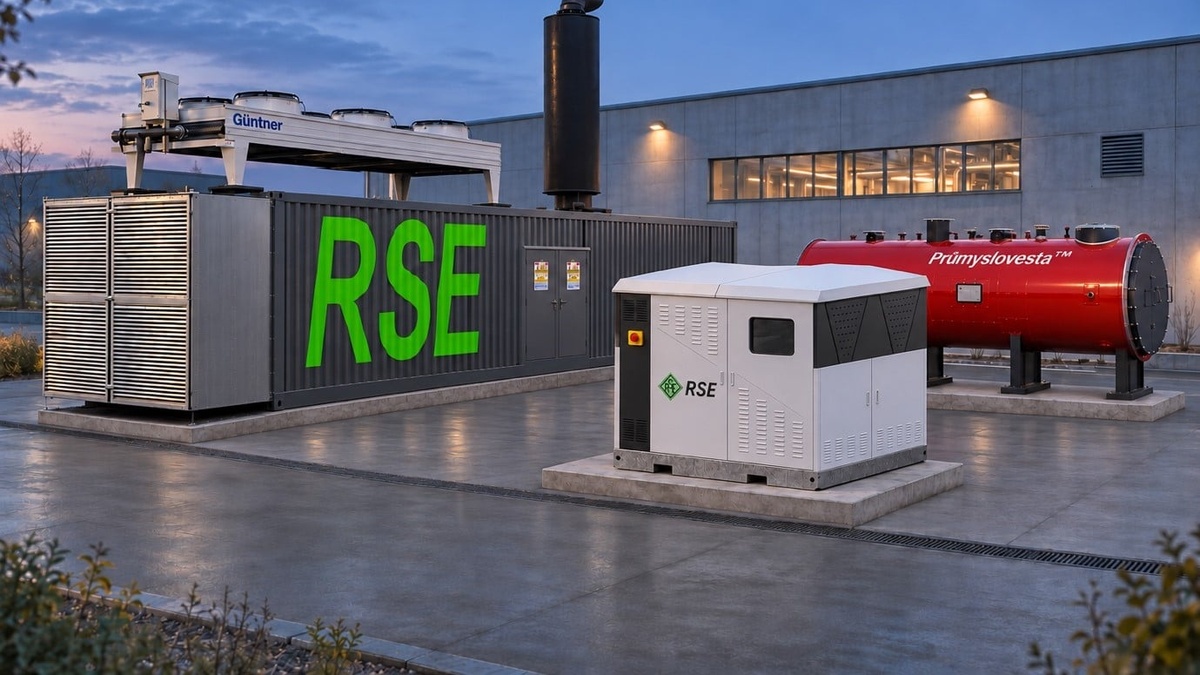
Integrating various heat sources is crucial for supplying energy to cities and industrial facilities, according to Hanna Pozdniakova, director of RSE Group Ukraine. Pozdniakova argues that a careful assessment and allocation of roles to different heat sources is necessary to ensure optimal performance throughout the year. The practical challenge lies in combining various heat generation methods like cogeneration, heat pumps, waste heat recovery, and network upgrades to meet the specific needs of consumers and the capacity of existing networks.
Pozdniakova recommends beginning with a comprehensive analysis of how heat consumption varies over the course of a day, week, and year. By examining hourly data, facility managers can identify short peaks and periods of low demand that might not be evident in monthly bills. At industrial sites, the focus should be on utilizing waste heat already released by the enterprise.
For example, at a food-processing plant where RSE implemented a cogeneration project, waste heat recovery boilers use engine exhaust heat to produce process steam.
The next stage of the project involves integrating heat pumps and chillers. Heat pumps can be used to preheat water, while a separate source brings it to the required temperature. During freezing weather or peak consumption hours, boilers can cover demand that arises only during these times. Additionally, determining how much heat a boiler must supply if a cogeneration unit or heat pump is shut down for maintenance is crucial.
Thermal storage systems can produce some heat in advance and release it when demand rises. Before selecting equipment, several operating scenarios should be modeled: how the system performs in summer under minimum demand, during a freezing morning, which source takes over during maintenance, and the utilization of currently discharged heat based on the actual production schedule.
These calculations enable facility managers to compare options by annual costs, determine capacity required from each source, and identify network upgrades needed before connection.
This integrated approach allows both low and high-demand periods to be met within a single system. Some demand can be satisfied using heat already available at the facility, while other sources can be selected based on their frequency of use. Pozdniakova notes that this approach can alter the entire sequence of the modernization process. The first step might involve connecting an existing heat source to a consumer, after which it becomes clear how much additional capacity the system requires.
Written by urgent.news from Interfax-Ukraine's reporting — not their text. Machine-written — may contain errors; check the original before relying on it.