Chemikalien: EU-Behörde schlägt neue Regeln für Ewigkeitschemikalien vor
In Pfannen, Make-up und Jacken: PFAS-Chemikalien begegnen uns im Alltag überall. Allerdings können sie Umwelt und Gesundheit schaden. Eine EU-Behörde meint: mehr Regulierungen sind nötig.
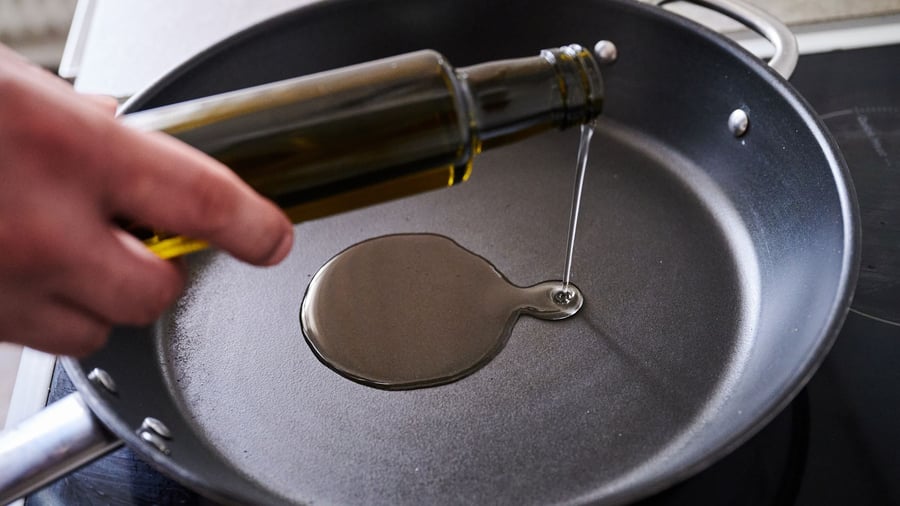
The European Union's chemicals agency, ECHA, has proposed extensive restrictions on PFAS chemicals within the European Union. This recommendation is based on the assessment of two scientific committees within the agency. Although PFAS, known for their water, dirt, and fat resistance properties, are widely used in consumer products, the agency does not advocate for a complete ban.
Instead, exceptions and transition periods are suggested. PFAS (per- and polyfluoroalkyl substances) are highly persistent synthetic chemicals that accumulate in the environment with minimal degradation, earning them the nickname "forever chemicals." These substances are linked to various health issues, including liver damage, kidney and testicular cancer.
The ECHA's stance will be forwarded to the European Commission in the coming weeks, with the decision on any potential ban made jointly with EU member states. A commission spokesperson called it an important step, hoping for "as soon as possible" new regulations. Germany, the Netherlands, Denmark, Norway, and Sweden had already proposed almost complete bans on PFAS production, use, and marketing in the European Economic Area (EEA) in 2023.
The EEA includes the entire EU plus Norway, Iceland, and Liechtenstein. PFAS are present in an estimated 10,000 individual substances and are found in items like jackets, fast-food packaging, cosmetics, and non-stick pans, as well as in industrial applications. The chemicals can accumulate in the environment and the body. The European Court of Auditors criticized the EU for being too slow in regulating PFAS as recently as Wednesday.
Most of these substances have not been registered, leaving the EU with limited information on potential dangers. Additionally, companies largely self-regulate compliance, with one in three EU countries conducting no inspections at all.
Written by urgent.news from Handelsblatt's reporting — not their text. Machine-written — may contain errors; check the original before relying on it.