Chemiekonzern: BASF zieht Angebot für Konkurrenten zurück – Evonik-Papiere verlieren 20 Prozent
Der Konzern war auch mit einem nachgebesserten Angebot beim Konkurrenten abgeblitzt. Nun will BASF-Chef Kamieth die Pläne für die Milliarden-Übernahme nicht weiter verfolgen.
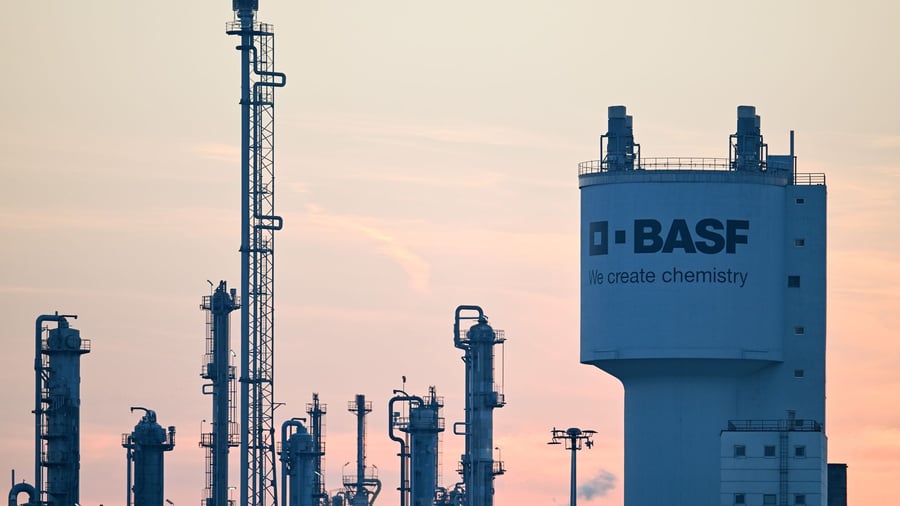
Chemiekonzern BASF has withdrawn its offer to acquire rival Evonik, resulting in a 20-percent drop in Evonik's stock price, while BASF's shares rose about one percent. The BASF company announced the withdrawal of its offer on Thursday. Following the announcement, the shares of BASF's parent company, DAX, increased slightly, whereas those of Evonik, a rival listed on the MDAX, fell by more than 20 percent.
BASF had previously indicated it would increase its offer modestly. However, Evonik's board of directors has refused to "enter into any substantial exchange" so far, according to the company's announcement. BASF's management stated that the standalone outlook of Evonik and the associated risks did not justify a higher valuation.
Consequently, it would not be "in the best interest of our own shareholders to pursue the transaction at a higher price," the company said. BASF's CEO, Markus Kamieth, emphasized that the company's 24 euros per share cash offer represented a significant additional and secure value for Evonik shareholders. A merger under the BASF umbrella would create a more powerful chemistry company, benefiting shareholders, employees, and customers, he added.
BASF stressed that further acquisitions to strengthen core businesses were an option within its "Winning Ways" strategy but not mandatory. The German chemical giant targeted Evonik in September, valuing it at around 11.2 billion euros with the revised offer. To break the stalemate, insiders said a new offer between 26 and 28 euros per share would be necessary.
Political resistance to the plans is growing, with electoral campaigns in North Rhine-Westphalia looming, where 11,000 Evonik jobs are located. Minister-President Hendrik Wüst expressed deep skepticism about the takeover plans, calling them "very, very skeptical" and warning that 11,000 jobs are "no fast food."
Written by urgent.news from Handelsblatt's reporting — not their text. Machine-written — may contain errors; check the original before relying on it.