Black Neighborhoods Are Twice as Likely To House a Data Center, Study Finds
The number goes up to 2.6 in majority-Hispanic neighborhoods and 4.2 times in majority-Asian neighborhoods.
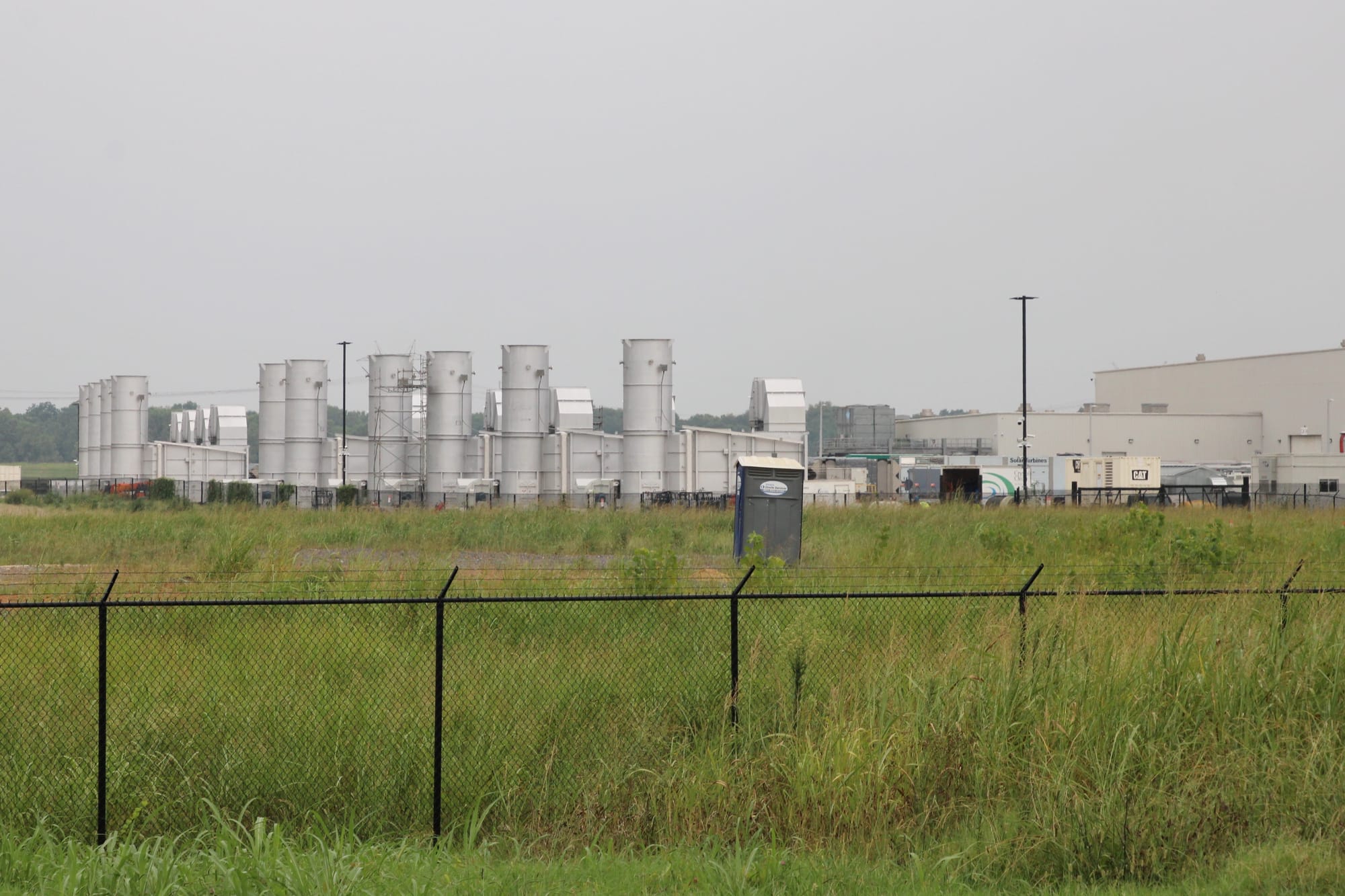
A new study by researchers from George Washington University and the American University Center for Security, Innovation & New Technology finds that Black neighborhoods are twice as likely to house data centers compared to white neighborhoods. The "Redlining in the Age of AI: The Relationship between Data Center Locations and Race in the US" study reveals that majority-Black neighborhoods have 2.2 times the odds of having a data center than a white neighborhood in the same state.
The odds increase to 2.6 in majority-Hispanic neighborhoods and 4.2 in majority-Asian neighborhoods. The researchers analyzed 81,000 US census tracts and 5,291 data centers, accounting for factors such as population, income, and land costs, but the racial disparities persisted. CSINT executive director Samantha Bradshaw and co-author Dhanaraj Thakur were motivated by stories of data centers negatively impacting Black and Brown communities, such as those in Memphis, Tennessee and Taylor, Texas.
Historical redlining, which denied opportunities to people of color, is a contributing factor. The study distinguishes between hyperscalers like Meta, Google, and Grok and smaller mixed-use buildings, finding that hyperscalers often promise economic benefits but are typically built in white rural communities. The researchers recommend data center-specific zoning regulations, racial equity discussions, and racial impact statements before construction.
They emphasize the importance of including diverse perspectives in tech policy to create a future that benefits everyone.
Written by urgent.news from 404 Media's reporting — not their text. Machine-written — may contain errors; check the original before relying on it.