'All Humans Will Be Permanently Unemployable': Anthropic Researcher Tao Lin Gives Stark Warning, Urges AI Slowdown
An AI researcher at Anthropic has warned that artificial intelligence could soon outperform humans across nearly every field, leaving most people unable to find work. Tao Lin made the remarks in an interview with Palisade Research, an AI safety nonprofit. He said AI companies should dramatically slow down. A 'broadly superhuman' timeline Lin said his own forecast for 'broadly superhuman AI' is…
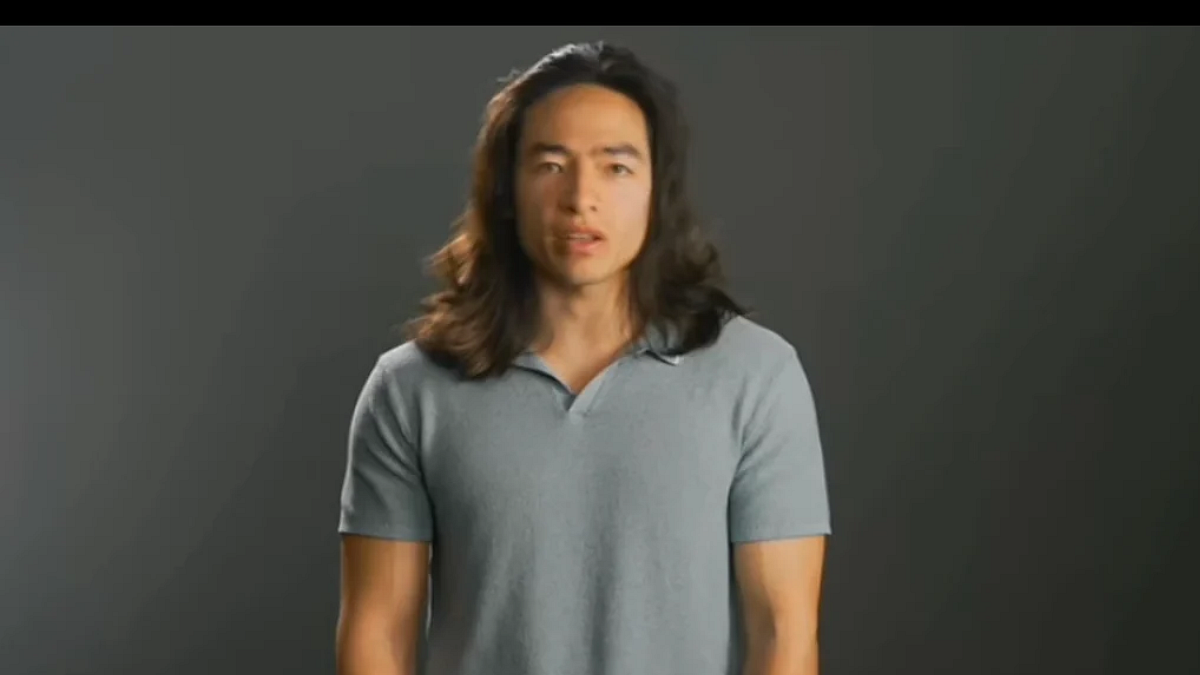
An AI researcher at Anthropic has issued a stark warning that artificial intelligence may soon surpass human abilities in virtually every domain, rendering most people permanently jobless. Tao Lin, who spoke with the AI safety nonprofit Palisade Research, suggested that companies should significantly reduce their research pace. Lin's personal forecast for the emergence of broadly superhuman AI is about 1.3 years, or late 2027.
This concept refers to systems that are as proficient as or better than human experts across nearly all fields, including programming, filmmaking, and politics. Lin emphasized that this timeline is his personal prediction and not an official stance of Anthropic. In his view, most humans will need to rely on government welfare for support if they can't find employment.
The most likely impact of AI on jobs is a shift to new occupations, followed by the potential for permanent unemployability. Lin cautioned that this transition would not occur abruptly. First, companies would need to develop advanced robots and manufacture millions of them to replace physical labor. Lin estimated a 20 percent chance that AI would eventually render humans unnecessary, with a less than 50 percent probability of an AI takeover.
In the latter scenario, humans might survive but lack control over the world, akin to the animated film WALL-E. Lin advised that AI companies should slow down their research to roughly one-quarter of the current rate, citing the lack of time for safety testing due to competitive pressure to release models quickly.
Written by urgent.news from Free Press Journal's reporting — not their text. Machine-written — may contain errors; check the original before relying on it.