AI Is Thinning the Pipeline of Future Dealmakers
AI-driven headcount cuts save payroll today, but middle-market dealmakers warn they risk hollowing out the talent pipeline. The post AI Is Thinning the Pipeline of Future Dealmakers appeared first on Global Finance Magazine .
Artificial intelligence (AI) is reshaping the landscape of dealmaking, particularly in mid-market finance. Large banks such as JPMorgan Chase, Citigroup, and Bank of America are openly discussing the impact of AI on their workforces, with many preparing for an AI-driven future. As a result, the traditional deal team structure is evolving, potentially shrinking to just one or two individuals.
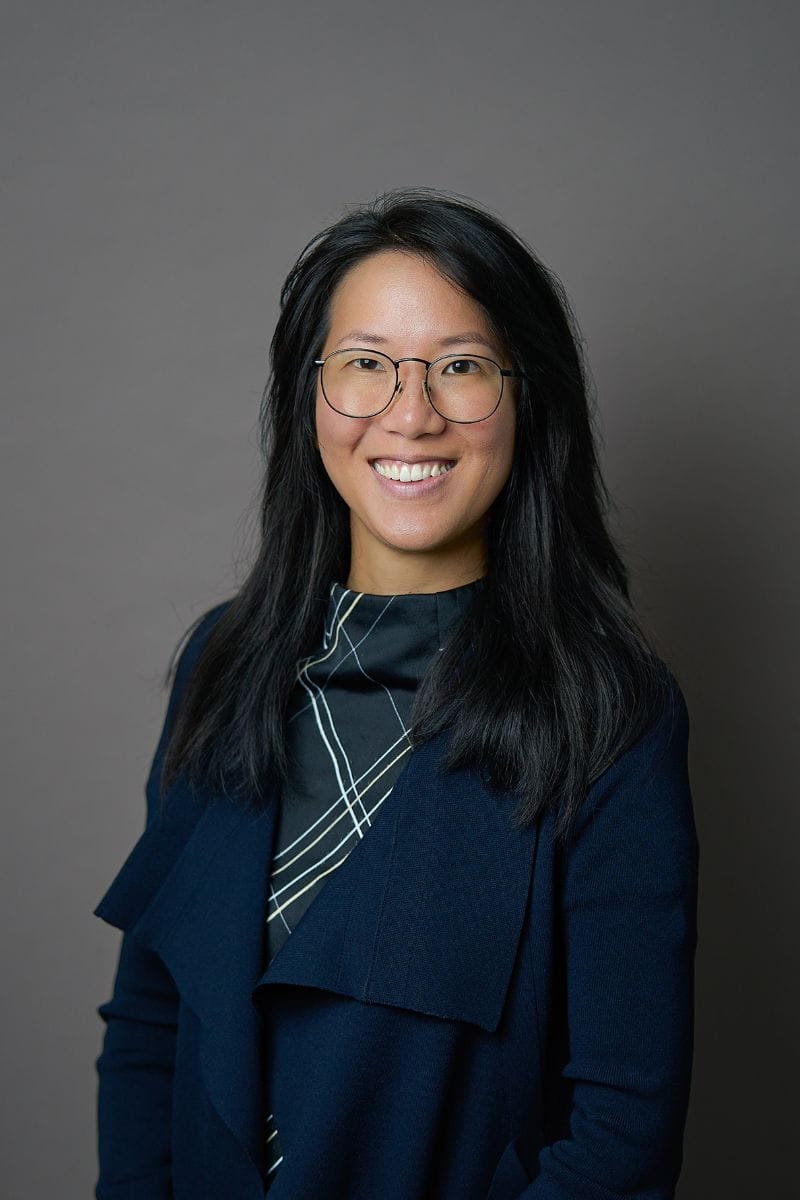
Paulette Soetanto, a director at CriticalPoint Partners, predicts that AI could replace the need for multiple team members in smaller deals, with one banker handling the execution using AI tools while the other focuses on client relationships. Currently, AI primarily assists in data gathering, initial modeling, and screening, but its capabilities are expected to expand over the next five years to handle a significant portion of investment banking's process-driven tasks.
According to a survey of middle-market executives, 83% are already testing or deploying AI, but only 2% have fully integrated it into their businesses, and less than half (44%) measure any financial return. The primary benefit executives see is time savings, with 95% agreeing that AI saves their employees time. Despite the clear financial incentives, companies are investing heavily in AI for its time-saving capabilities, even if the benefits cannot be easily quantified.
However, the reduction in junior hiring through AI could lead to a hollowed-out bench of dealmakers, affecting the overall quality of the industry. While AI can help junior bankers manage AI outputs, challenge results, and explain them to senior colleagues, companies that cut their talent bench too deeply may struggle to maintain the expertise needed to verify AI outputs and defend high-stakes decisions.
Written by urgent.news from Global Finance's reporting — not their text. Machine-written — may contain errors; check the original before relying on it.