Wildlife trafficking persists in West, Central Africa despite crackdowns: Report
At his storefront in Lagos’s sprawling Lekki Craft Market, alongside handwoven raffia baskets and Ankara fabrics, an illegal wildlife trader, identified only as Mr. X, sells an array of carved ivory products. It’s from this shop that he established links with buyers across Asia, sending out large volumes of wildlife products sourced from the forests […]
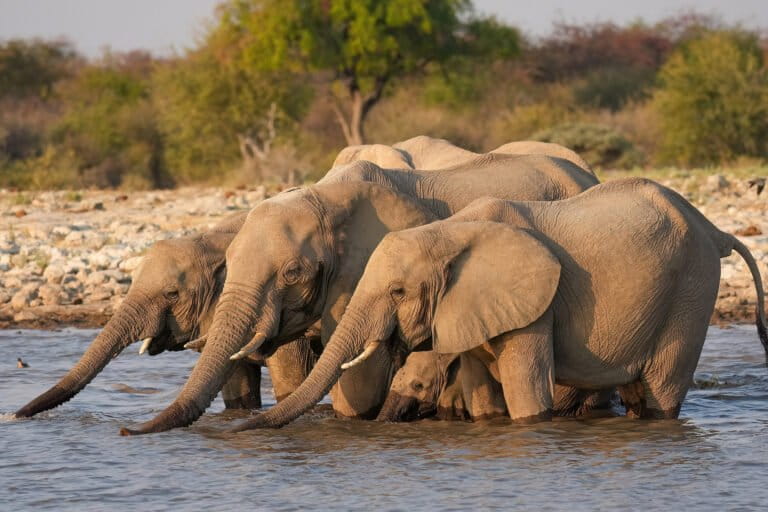
According to a new report by the Environmental Investigation Agency (EIA), wildlife trafficking persistently endures in West and Central Africa, despite recent crackdowns and enhanced enforcement. The report highlights the case of a trader named Mr. X, who sold various carved ivory products from a storefront in Lagos's Lekki Craft Market. Mr. X allegedly established connections with buyers in Asia, transporting substantial quantities of wildlife products from Gabon, Cameroon, and the Central African Republic.
In early 2022, Mr. X was apprehended for unlawfully possessing nearly 900 kilograms of pangolin scales and 145 kg of elephant ivory. His operations subsequently halted, and he was convicted and sentenced to two years in prison in May 2023. However, within a short span, Mr. X was released and within eighteen months, investigators discovered that he was once again selling pangolin scales. Business had apparently resumed.
The EIA report attributes Mr. X's return to the business to his likely spend of only a few months in custody and payment of bribes to court officials through his lawyer. The persistence of wildlife trafficking in the region is attributed to ongoing corruption and the ability of criminal networks to evade attempts to curb the flow of products derived from endangered wildlife.
Written by urgent.news from Mongabay's reporting — not their text. Machine-written — may contain errors; check the original before relying on it.