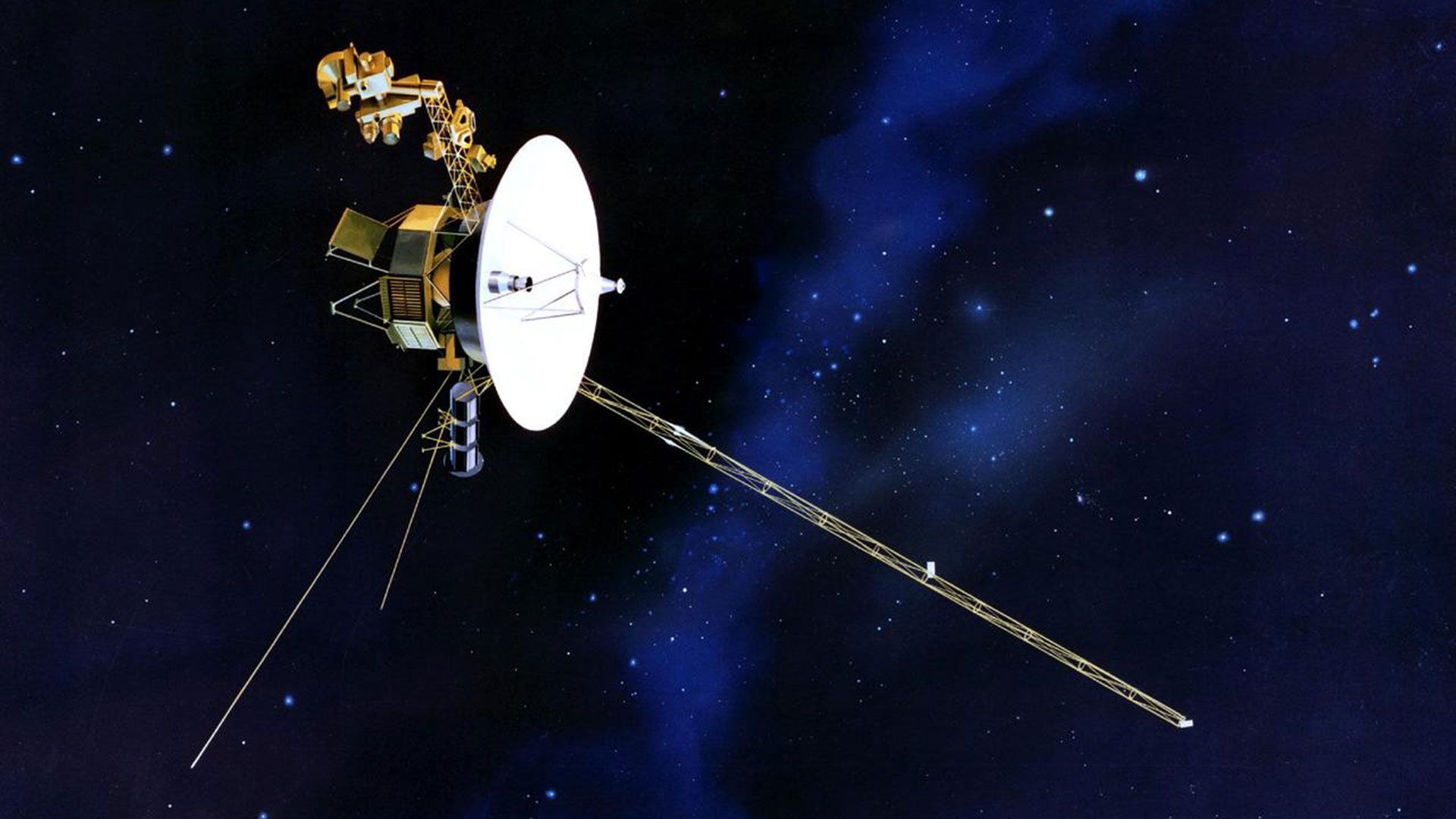
Voyager 1 at one light-day: Historian revisits Golden Record's forgotten details
In the past year, Voyager 1, humanity's farthest emissary, has traveled a distance equivalent to one light-day from Earth. This distance represents a significant milestone in the spacecraft's journey, as it marks the time it has taken to traverse the vast expanse between our planet and the interstellar void.
Launched in 1977, Voyager 1 embarked on a mission to study Jupiter and Saturn, along with Saturn's moon Titan. However, the spacecraft's voyage extended far beyond its initial scope. In 2012, Voyager 1 became the first human-made object to enter interstellar space, venturing into the realm beyond our solar system.
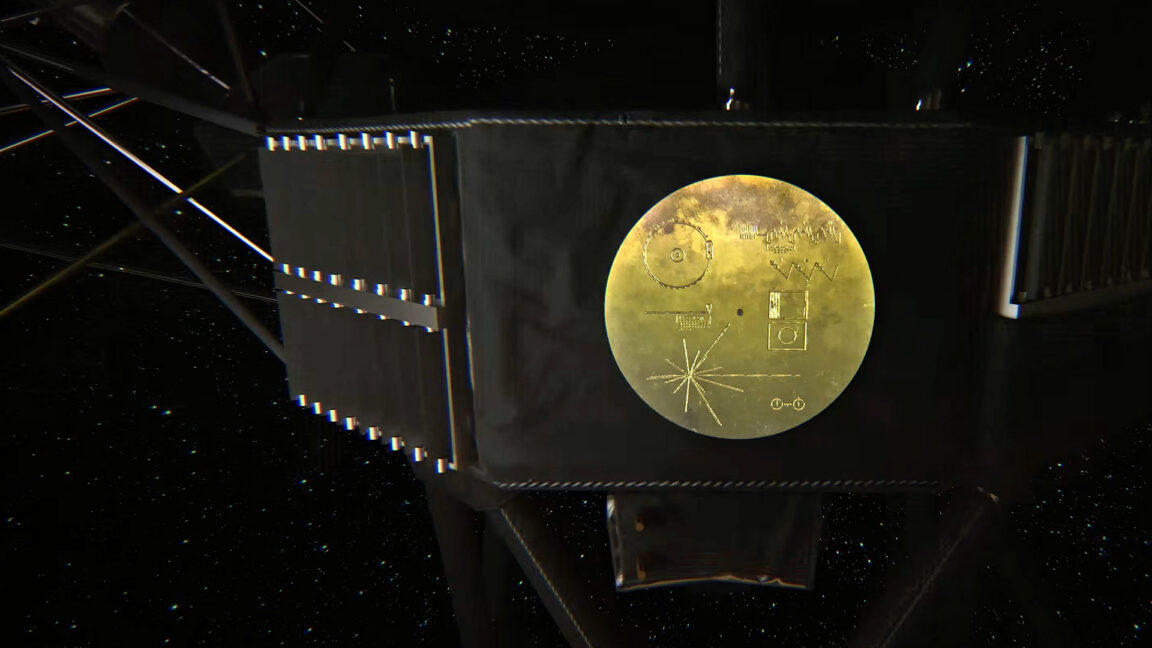
Much like its sister spacecraft, Voyager 2, Voyager 1 carries a commemorative phonograph record. This record, known as the Golden Record, serves as a symbolic gesture and a message from humanity. It was created to mark the 100th anniversary of the recording medium and to convey a greeting to any extraterrestrial beings that might come across the spacecraft during its journey through the cosmos.
Glen Swanson, a historian, has delved into the history of the Golden Record and has made some intriguing discoveries. While researching the record's past, Swanson unearthed a previously overlooked set of operating directions. These directions, which were essentially a set of instructions for the record's playback mechanisms, had been forgotten over time.
Furthermore, Swanson located duplicate copies of the Golden Record that were manufactured and distributed almost five decades ago. These duplicates, which were likely created as backups or for distribution to various institutions, provide valuable insights into the record's production and dissemination process.
This rediscovery of the overlooked details sheds new light on the Voyager 1 mission and the significance of the Golden Record. It highlights the meticulous planning and foresight that went into creating this remarkable artifact, which continues to serve as a testament to humanity's reach and aspirations in the face of the unknown.
Written by urgent.news from Ars Technica's reporting — not their text. Machine-written — may contain errors; check the original before relying on it.