US Centcom commander expected in Saudi Arabia with dozens of air defence experts, sources say US Central Command chief admiral Brad Cooper, the commander of forces in the Middle East, is expected to arrive in Saudi Arabia this week with advisors to examine the kingdom’s air defence capabilities, multiple western officials familiar with the matter told Middle East Eye. The officials, speaking to…
US Central Command chief Admiral Brad Cooper is set to visit Saudi Arabia in the coming week, accompanied by a team of over thirty US military advisors, according to multiple Western officials familiar with the matter. The advisors are expected to evaluate the kingdom's air defence capabilities, a move that comes amid a series of Houthi aerial attacks and a delicate period in US-Saudi relations. The visit aims to bolster Saudi Arabia's air defence infrastructure in the face of ongoing threats.
Brief written by urgent.news from Middle East Eye's own syndicated text.
Machine-written — may contain errors; check the original before relying on it.
The Border Security Force has released the BSF Constable Tradesman Admit Card 2026 on 17 November. Candidates who qualified in the PET and PST can download their hall tickets from rectt.bsf.gov.in.
Australia imposes sanctions on three Israelis and four organizations involved in Judea and Samaria development, hours after Britain targeted eight Israeli companies.
A reproductive medicine expert explains the rise of IVF in Japan, its limitations, and why technology alone cannot reverse the country's declining births.
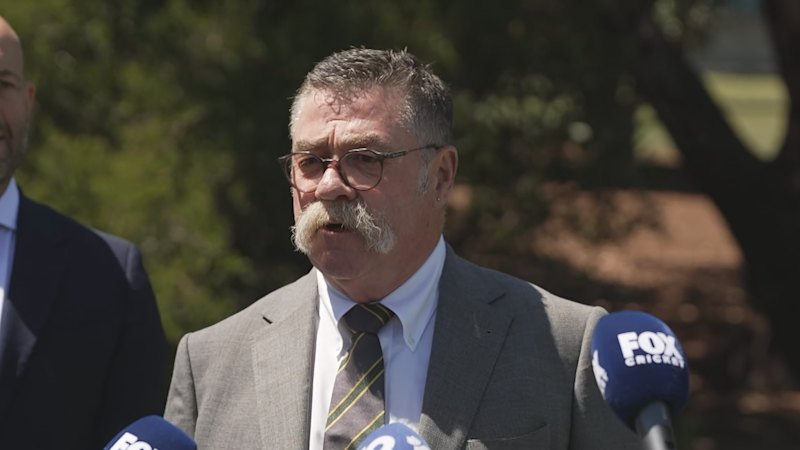
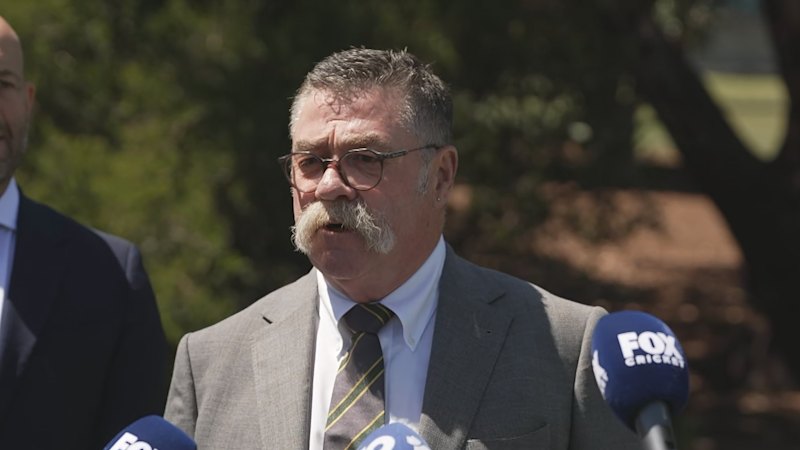
As soon as David Boon and Todd Greenberg finished their press conference announcing the creation of independent forum on the Sandpapergate saga, Usman Khawaja and David Warner were on TV raising their…
As soon as David Boon and Todd Greenberg finished their press conference announcing the creation of independent forum on the Sandpapergate saga, Usman Khawaja and David Warner were on TV raising their…
UK Foreign Secretary Ed Miliband framed the decision as part of Britain’s commitment to preserving a two-state solution. But where does this policy end?